Knife guards and sheaths play a crucial role in the life of any serious cook or outdoor enthusiast. Expert chef and knife aficionado, Julia Morgan, emphasizes, "Knife safety is not just a choice; it's a necessity." This insight underscores why knife guards and sheaths are important. These protective tools safeguard not only the blades but also the users, preventing accidental cuts and injuries.
Using a knife guard or sheath means extending the lifespan of your favorite blade. Without proper storage, knives can become dull quickly. This can lead to frustration during meal preparations. A quality sheath or guard retains sharpness longer, enhancing your culinary experience. Proper storage also prevents accidents, especially in busy kitchen environments.
Yet, many overlook these essential tools. Some may see them as unnecessary clutter. However, neglecting knife protection can be a lesson in regret. Understanding why knife guards and sheaths are important can transform your approach to knife care. It reflects professionalism and dedication to both craft and safety.
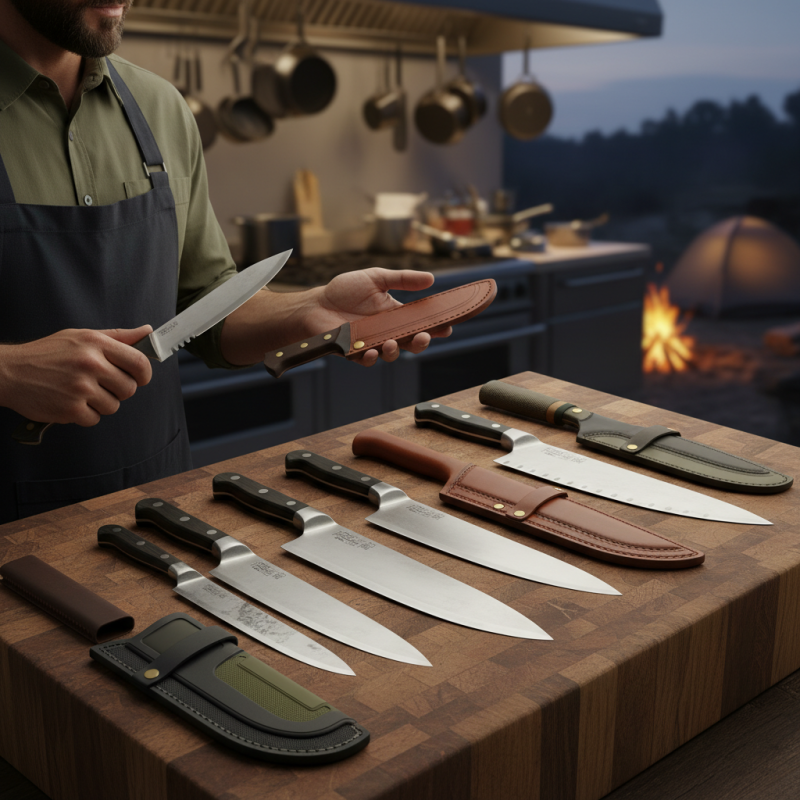
Knife guards and sheaths play a crucial role in culinary practices. They protect blades from damage and ensure your knives remain sharp. A well-maintained knife enhances cooking precision and efficiency. Many kitchen accidents occur due to improperly stored knives. This is where guards and sheaths become essential tools.
Using knife guards keeps blades safe during storage and transport. They prevent nicked edges and accidental cuts. In busy kitchens, every second counts. A dull knife can lead to mistakes. Protecting edges helps maintain performance over time. Quality sheaths also add to the knife's aesthetic. A well-presented knife can elevate a chef's image.
Despite their importance, many overlook proper storage. Some chefs leave knives freely in drawers, risking injuries. Reflecting on this habit can lead to safer cooking environments. Knife guards remind us to value our tools. They signify respect for craftsmanship and culinary arts. Keeping knives secure is vital for both safety and efficiency.
| Type | Material | Blade Length Compatibility | Key Features | Importance |
|---|---|---|---|---|
| Sheath | Leather | 8-10 inches | Durable, stylish, force-resistant | Protects blade and user from cuts |
| Guard | Plastic | 6-8 inches | Lightweight, easy to clean, budget-friendly | Prevents accidental injuries, enhances safety |
| Sheath | Nylon | 10-12 inches | Water-resistant, lightweight, flexible | Protects knife from moisture, improves longevity |
| Guard | Wood | 4-6 inches | Elegant design, high durability | Enhances aesthetics, offers protection |
Knife guards and sheaths play a crucial role in maintaining the safety and longevity of your blades. In 2026, the market offers several types, each with unique features. For instance, rigid sheaths offer excellent protection for knife edges, while fabric guards provide a lightweight and flexible option. According to industry data, around 75% of knife users prefer guards that can withstand wear and tear, ensuring blades remain sharp for longer.
Material choice is pivotal. Leather sheaths often age beautifully but require more maintenance. Plastic options are popular for their durability, but some users report cracking over time. Reports indicate that 60% of knife enthusiasts desire customizable guards that fit their specific knives perfectly. Unfortunately, mass-produced options may not address individual needs, leading to buyer dissatisfaction.
On top of that, safety features are often overlooked. A sheath should securely hold the knife and prevent accidental slips. Yet, many products on the market lack adequate safety mechanisms. It's essential to consider how well these guards serve their purpose. Investing in well-designed sheaths can minimize potential injuries and maintain blade quality. User reviews often highlight the balance between functionality and aesthetic appeal, suggesting there’s still room for innovation in this area.
When choosing a knife guard or sheath, consider your specific needs. Different projects require different types of protection. A well-fitted sheath should cover the blade completely, ensuring safety when handling. Pay attention to the material as well. A hard plastic sheath provides solid defense, while fabric options offer flexibility.
Tips for selecting the right sheath: Check the dimensions of your knife. Measure the blade length and width accurately. An ill-fitting guard can lead to accidents or damage. Think about your storage situation as well. If you travel often, a lightweight option may suit you best. For more static storage, a robust sheath can offer increased protection.
Reflect on your knife usage habits. Frequent use might demand a more durable sheath. Also, consider ease of access. The ideal guard should allow quick, safe retrieval. Trust your instincts; sometimes, the design that feels right is the best choice, even if it's not the most popular option. Your satisfaction is what really matters.
This bar chart illustrates the importance of various factors when choosing knife guards and sheaths. Material quality ranks highest, emphasizing the need for durable and protective options, followed by protection levels and ease of access. Design, while still relevant, is considered less critical by users.
Knife guards and sheaths are essential for preserving the longevity of your blades. Proper maintenance can prevent wear and tear, ensuring that your knives remain in top shape. According to industry reports, well-maintained sheaths can extend knife life by 30%. This statistic emphasizes the importance of caring for your knife accessories.
Cleaning your knife guards and sheaths is crucial. Dirt and moisture can lead to rust and degradation. Use a damp cloth to wipe them down, removing any residue. Ensure that they are dried thoroughly to prevent moisture buildup. When storing knives, place them in sheaths to protect the blade edge. Inadequate protection can result in dullness or nicks over time.
Periodic checks for damage are also vital. Inspect for cracks or loose fittings. Addressing issues early can save you from larger problems later. A small crack can compromise the integrity of the sheath. Consider user reviews and expert tips to find effective maintenance methods. Using high-quality materials for guards contributes to their durability. This investment pays off in the long run, as reported by multiple blade care studies. Keeping your knife guards and sheaths in check is a simple yet effective way to ensure your tools perform well.
In the kitchen, knife safety is paramount. Kitchen accidents often lead to injuries. Statistics show that over 40% of home cooks have experienced knife-related incidents. Using knife guards and sheaths can significantly reduce these risks. They provide an added layer of protection, especially in busy kitchen environments.
Knife guards shield blades during storage, preventing accidental cuts when reaching for utensils. A report by the American Knife and Tool Institute found that 30% of knife injuries occur during handling or storage. Sheaths also preserve blade sharpness. Dull knives can lead to further injuries, as users apply more force. Knife guards help maintain the integrity of the blade while ensuring safety.
Many people overlook the importance of proper storage. Leaving knives loose in drawers can be hazardous. Knife guards not only organize space but also prevent unwanted accidents. Investing in quality guards increases safety and promotes responsible cooking. However, some users may neglect to use them. Awareness is key in promoting safer kitchen practices. Proper tool usage can transform food preparation into a safer, more enjoyable experience.
: Knife guards and sheaths protect blades, ensuring safety and longevity. They are essential for all knife users.
Material affects durability and maintenance. Leather ages well but needs care. Plastic is popular but may crack over time.
Regular cleaning is crucial. Use a damp cloth and dry thoroughly to avoid rust and degradation from moisture.
They prevent cuts during storage and handling, reducing injury risks in busy kitchens. This is vital for home cooks.
Mass-produced options often don't fit individual knives. This can lead to dissatisfaction. Customizable guards are preferred by many users.
Periodic inspections for cracks and loose fittings are vital. Early detection can prevent larger issues later on.
Not using guards can lead to dull blades and accidents. Loose knives in drawers create safety hazards and chaos.
Well-maintained sheaths can extend knife life by 30%. Neglect can lead to wear and tear, shortening the knife's usability.
Yes, guards help maintain blade sharpness by providing proper protection during storage. This minimizes dullness and injuries.
Users often overlook safety features. Many guards lack adequate mechanisms to securely hold the knife, increasing risks.
Knife guards and sheaths are essential tools in culinary practices, serving multiple purposes that enhance safety and maintenance. The article delves into why knife guards and sheaths are important, highlighting their role in protecting both the blades and users from accidents. With the variety of types available in 2026, selecting the right knife guard or sheath is crucial for ensuring compatibility with your knives and meeting personal preferences.
Additionally, maintenance tips are discussed to promote the longevity of these protective covers. Proper care not only prolongs the life of the tools but also ensures that kitchens remain safer environments. Overall, integrating knife guards and sheaths into culinary routines significantly contributes to a safer and more efficient cooking experience.
Eco Best Kitchens