How to Avoid Common Mistakes When Using Knives?

Time:2026-06-19 Author:Oliver
0%

Using knives is an essential skill in cooking, yet many people struggle with basic techniques. Understanding what are common mistakes when using knives can elevate your cooking experience. Poor knife handling can lead to accidents, injuries, and unsatisfactory food preparation.

One major error is using dull knives. A sharp knife is safer and more efficient. When a knife is dull, users apply extra force, increasing the risk of slipping and cutting oneself. Another frequent mistake involves incorrect grip. Holding a knife improperly can hinder control and precision. This can result in uneven cuts, ruining the presentation of a dish.

Additionally, many disregard the importance of a stable cutting surface. Using an unstable board can lead to accidents. Reflecting on these common pitfalls can help you improve. It’s vital to be mindful of these details for a safer kitchen experience.
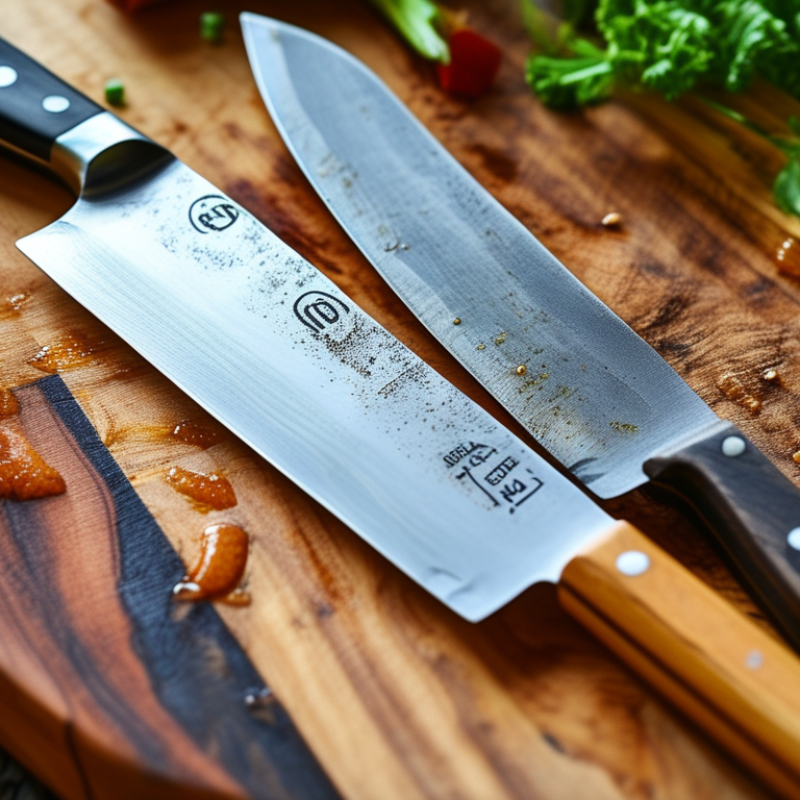
How to Avoid Common Mistakes When Using Knives?

Common Knife Mistakes and Their Impact on Safety and Efficiency

Using knives safely and efficiently is crucial in the kitchen. Many common mistakes can lead to accidents or inefficient prep work. For example, using a dull knife instead of a sharp one can increase the risk of slippage. A dull blade requires more force, making it harder to control. This often results in injury rather than a clean cut. Regularly honing your knives helps maintain their sharpness and ensures safety.

Another mistake is the improper grip on the knife. A loose hold can lead to a lack of control, while an overly tight grip can cause fatigue. It's essential to find a comfortable balance. Using the right technique, like slicing instead of chopping, can improve efficiency and precision. Many cooks overlook their cutting board’s stability. A wobbly board can make knife tasks challenging and dangerous.

Not paying attention to your surroundings is also a frequent issue. When distracted, accidents can happen quickly. Always be aware of where others are, as well as any obstacles around you. Allowing distractions can impede both safety and efficiency in the kitchen. Reflecting on these common oversights can significantly enhance your knife skills and overall kitchen experience.

Understanding Different Types of Knives and Their Appropriate Uses

When exploring the world of knives, knowing their types is crucial. Each knife serves a specific purpose. For instance, chef’s knives excel in chopping and slicing. They have a wide blade, making them ideal for various tasks. Paring knives, on the other hand, are perfect for intricate work like peeling fruits and vegetables. understanding these distinctions prevents common mishaps in the kitchen.

Tips: Always keep your knives sharp. Dull knives can slip and cause accidents. Practice using the right knife for the job to enhance your skills. Additionally, using a cutting board suited to your knife type can improve your cutting technique.

Choosing the wrong knife can lead to frustrating outcomes. A serrated knife is not suitable for chopping vegetables. Misusing a knife can lead to injury or damaged ingredients. Learn to respect each knife's unique design and purpose. This understanding will help you work more efficiently and safely in the kitchen.

Essential Knife Handling Techniques to Prevent Accidents

Knife handling requires precision and care. A steady grip is essential. Hold the handle firmly, ensuring your fingers stay clear of the blade. This simple action can prevent many accidents. Use your dominant hand for control, but keep your other hand in sight. It’s easy to misjudge distances when chopping.

Always remember to cut away from your body. This might seem obvious, yet many people forget. Daily practice can lead you to be more mindful. Position your cutting board safely, ensuring it won’t slip. A non-slip mat can help. Proper posture is vital too. Stand with your feet firmly planted and knees slightly bent.

Even seasoned cooks make mistakes. A moment of distraction can lead to an accident. Reflect on your habits. Are you multitasking while using your knife? Take a few deep breaths. Focus on the task at hand. Engage your senses and pay attention. Knife skills improve with time, so practice patience.

Proper Knife Maintenance: Sharpening and Cleaning Guidelines

Proper knife maintenance is crucial in the kitchen. To ensure your knives stay sharp and effective, regular sharpening is essential. A dull knife can lead to accidents. It requires more force, increasing the risk of slipping. Use a whetstone or honing steel to keep the blade in shape. It's a skill worth mastering, though it takes some practice.

Cleaning knives properly helps prevent rust and corrosion. After each use, wash them by hand with mild soap and dry them immediately. Avoid soaking them in water. This can damage the handle and blade. Storing knives correctly is also vital. Use knife blocks or magnetic strips to keep them organized. Avoid tossing them into drawers, where they can get damaged.

Reflect on your knife skills and maintenance habits. Many overlook these basic practices, which can lead to disappointment. Consider experimenting with different sharpening techniques. Each approach has its pros and cons. As you refine your skills, you'll notice improved performance and longevity in your knives.

How to Avoid Common Mistakes When Using Knives? - Proper Knife Maintenance: Sharpening and Cleaning Guidelines

Mistake Effects Prevention
Using Dull Knives Increased risk of accidents and uneven cuts Regularly sharpen knives with a whetstone or sharpening tool
Improper Cleaning Risk of rust and deterioration of knife material Wash knives by hand and dry immediately; avoid soaking
Using the Wrong Cutting Surface Damage to the blade and cutting surface Always use a wood or plastic cutting board
Improper Storage Blade damage and risk of accidents Store in a knife block, magnetic strip, or sheaths
Neglecting Maintenance Reduced lifespan and poor performance Perform regular maintenance checks and care

The Role of Grip and Cutting Technique in Accident Prevention

Grip and cutting technique are crucial for knife safety. Studies show that nearly 30% of kitchen injuries are caused by improper grip. A firm, comfortable grip allows better control. This reduces the likelihood of slips that lead to accidents. Many users underestimate the power of a proper grip. Ensuring your hand positions correctly could mean the difference between a close call and a serious injury.

Cutting technique also plays a significant role in accident prevention. Using a rocking motion rather than excessive force promotes control. The Centers for Disease Control and Prevention (CDC) reports that 70% of knife injuries occur during incorrect cutting techniques. These often involve excessive pressure or awkward angles. Keeping your knife sharp can enhance both safety and precision. A dull knife requires more force and can slip easily. Simple adjustments in technique can significantly reduce risks while enhancing efficiency in the kitchen. Adopting these practices not only fosters a safer environment but also improves overall culinary experiences. Fostering awareness is key to preventing kitchen accidents.

FAQS

: What are the different types of knives used in the kitchen?

: Knives vary, with chef's knives for chopping and paring knives for peeling. Each serves a specific purpose.

Why should knives be kept sharp?

Sharp knives are safer. Dull knives slip and increase the risk of accidents. Always prioritize keeping them sharp.

How can I maintain my knives effectively?

Regularly sharpen your knives using suitable tools. Clean them by hand with mild soap and dry them immediately.

What should I avoid when cleaning knives?

Do not soak knives in water. This can damage both the handle and blade. Quick handwashing is best.

Why is proper knife storage important?

Proper storage prevents damage. Use knife blocks or magnetic strips instead of tossing them into drawers.

What happens if I use the wrong knife?

Using the wrong knife can cause frustration and accidents. Respect each knife's function to work efficiently.

How can I improve my knife skills?

Practice using the right knife for tasks. Reflect on your technique and explore different sharpening methods.

What should I consider when choosing a knife?

Choose a knife based on its design and intended use. Misusing a knife can lead to poor outcomes.

Can knife maintenance habits be improved?

Yes, many neglect basic maintenance. Reflecting on your habits may lead to better performance and knife longevity.

Is honing a knife important?

Yes, honing helps maintain the blade's sharp edge. It’s a skill that takes practice but is essential for safety.

Conclusion

In the article "How to Avoid Common Mistakes When Using Knives," we explore critical errors often made while handling knives and their consequences on safety and efficiency. Understanding what are common mistakes when using knives, such as improper grip or using the wrong type of knife for specific tasks, can significantly reduce the risk of accidents. Additionally, the article emphasizes the importance of mastering essential knife handling techniques and proper maintenance, including sharpening and cleaning guidelines, to ensure the longevity and effectiveness of your tools.

Moreover, we delve into the role of grip and cutting techniques in accident prevention. By adopting the proper techniques and understanding the specific functions of different knives, users can improve their skills and promote a safer kitchen environment. Overall, this comprehensive guide serves as a vital resource for both novice and experienced cooks looking to enhance their knife skills while minimizing risks.

Oliver

Oliver

Oliver is a seasoned marketing professional with a wealth of expertise in driving brand awareness and engagement. With a deep understanding of our company's product offerings, he consistently delivers high-quality content that enriches our professional blog. His insights not only shed light on......