Bamboo cutting boards have gained popularity as eco-friendly kitchen tools. But what makes them so appealing? According to Dr. Emily Green, an expert in sustainable materials, "Bamboo's rapid growth and minimal resource requirement make it a top choice for environmentally conscious consumers." This statement captures the essence of why bamboo cutting boards are eco-friendly.
Bamboo, a grass rather than a tree, can grow up to three feet in just 24 hours. This rapid growth cycle means less deforestation and a smaller carbon footprint compared to traditional hardwood. Additionally, bamboo requires little water and no pesticides for cultivation, further reducing its environmental impact.
However, not all bamboo cutting boards are created equal. The adhesives used in some products can contain harmful chemicals. Consumers should look for boards that are certified organic or free from harmful substances. Knowing these details allows buyers to make informed choices. In the end, understanding why bamboo cutting boards are eco-friendly involves both knowledge and careful consideration.
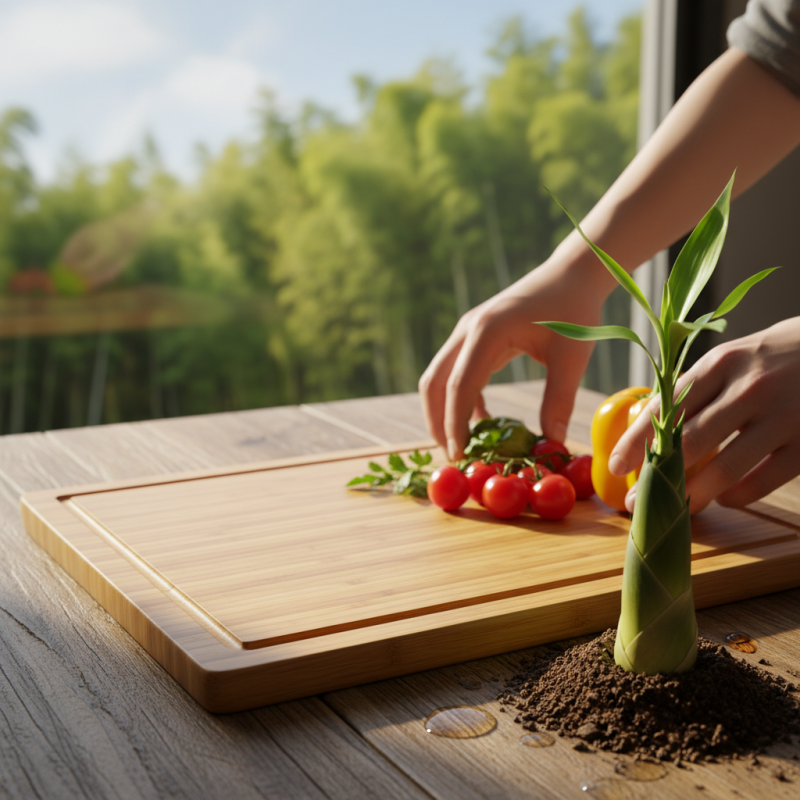
What Makes Bamboo a Sustainable Material for Cutting Boards?
Bamboo is increasingly recognized as a sustainable choice for cutting boards. It's a fast-growing grass, capable of reaching maturity in just three to five years. In contrast, many traditional hardwoods can take decades to grow. The World Wildlife Fund states that bamboo can absorb more carbon dioxide and produce more oxygen than trees, making it a valuable resource for combating climate change.
One might wonder about pesticide use in bamboo cultivation. Fortunately, bamboo is naturally pest-resistant. This means farmers often do not need to rely on harmful chemicals. A report by the Food and Agriculture Organization indicates that bamboo farming can promote biodiversity by providing habitat for various species. When considering eco-friendliness, it’s crucial to think about both production and resource impact.
Tips: Choose bamboo cutting boards that are certified organic to minimize the risk of chemical exposure. Also, look for boards that are made from sustainably sourced bamboo to ensure responsible harvesting practices. Regular care is essential; use mild soap and avoid soaking your bamboo board to prolong its life. Remember that not all bamboo products have the same environmental impact, so doing your research is key.
The Environmental Benefits of Using Bamboo in Kitchenware
Bamboo cutting boards are gaining popularity for their eco-friendly benefits. Bamboo is a rapidly renewable resource. It grows much faster than traditional hardwood, which means less environmental impact compared to other materials. Harvesting bamboo also doesn't require replanting; the plant regenerates naturally after cutting.
Using bamboo in kitchenware has many advantages. Bamboo absorbs less water, making it more resistant to bacteria and odors. Cleaning is easier, which is great for everyday use. Another important point is that bamboo is biodegradable. When properly disposed of, it returns to the earth without harming the ecosystem. However, not all bamboo products are sustainably sourced. Consumers should look for certifications to ensure the product's origins.
Bamboo cutting boards offer a versatile option for any kitchen. They can withstand heavy-duty tasks and are lightweight. Yet, some people may find them less durable than plastic boards. Over time, they may show signs of wear. Scratches and cuts can occur, which can harbor bacteria. Regular maintenance is crucial to keep them looking good. These factors need serious consideration when choosing bamboo over other materials.
Comparing Bamboo Cutting Boards to Traditional Wooden Options
Bamboo cutting boards are gaining popularity as an eco-friendly alternative to traditional wooden options. Bamboo is a grass, not a tree, which allows it to grow rapidly. It reaches maturity in just three to five years, making it a highly renewable resource. In contrast, many hardwood trees take decades to mature. This rapid growth rate gives bamboo a lower carbon footprint compared to conventional wood options.
Bamboo cutting boards are also less prone to absorbing water and odors. Unlike many traditional wooden boards, bamboo is naturally resistant to bacteria. This feature makes them a safe choice for food preparation. However, some users note that bamboo boards can be more prone to scratches. Over time, these scratches may harbor bacteria if not properly maintained.
While bamboo boards are durable, they may dull knives faster than hardwood boards. This can be a drawback for avid cooks who value sharp blades. As people become more aware of sustainability, bamboo cutting boards offer a viable alternative. They balance performance with environmental considerations, contributing to a greener kitchen.
The Life Cycle of Bamboo Cutting Boards: From Growth to Production
Bamboo cutting boards offer a unique life cycle that exemplifies eco-friendliness. Bamboo, a fast-growing grass, reaches maturity in just three to five years. This rapid growth minimizes deforestation concerns. As a renewable resource, bamboo can be harvested without killing the plant. This is a crucial factor in reducing carbon footprints.
During production, bamboo is processed through sustainable methods. Manufacturers often use non-toxic adhesives and finishes. This approach helps maintain the board's natural properties. Bamboo cutting boards are biodegradable, unlike plastic alternatives. After years of use, they return to the earth without harming the environment.
Tips: Choose boards from certified sources to ensure sustainability. Check for labels indicating low-impact manufacturing processes. Regularly maintain your bamboo board with mineral oil to prolong its life. A little care goes a long way in reducing waste. As with any product, it's essential to reflect on your choices. Consider where and how your cutting board was made. Make sure your decisions align with your values for sustainability.
How to Care for Bamboo Cutting Boards to Extend Their Lifespan
Bamboo cutting boards are not only eco-friendly, but they also require special care to ensure they last. Proper maintenance can significantly extend the lifespan of your bamboo board. Studies indicate that with the right methods, a bamboo cutting board can last up to 10 years or more, depending on usage and care.
To care for bamboo cutting boards, avoid soaking them in water. Excess moisture can cause the board to warp or crack. Clean your board with warm, soapy water and a gentle sponge. It's recommended to apply food-grade mineral oil monthly to maintain hydration. This process helps prevent the wood from drying out and reduces the risk of bacteria growth. A study from the University of California found that bamboo has natural antimicrobial properties, but regular oiling helps preserve its integrity.
While bamboo boards are durable, they can still be prone to scratches if used improperly. Cutting on hard surfaces can lead to these imperfections, which may harbor bacteria. Being mindful of how you use your board can help maintain its surface and hygiene. Regular inspection for damage is essential. Small maintenance roles can amplify longevity and promote safer food preparation.
Environmental Benefits of Bamboo Cutting Boards
This bar chart illustrates the key environmental benefits of using bamboo cutting boards. Their high sustainability score reflects bamboo's rapid growth and renewable nature, while biodegradability indicates how they can naturally decompose at the end of their life cycle. Additionally, bamboo is non-toxic and easy to clean, making it an excellent choice for eco-conscious consumers.
FAQS
: Bamboo grows quickly, reaching maturity in three to five years, unlike hardwoods that take decades.
Bamboo is naturally pest-resistant, reducing the need for harmful chemicals in its cultivation.
Bamboo farming can provide habitat for various species, promoting overall biodiversity in the ecosystem.
Opt for certified organic boards and those made from sustainably sourced bamboo for responsible practices.
Use mild soap for cleaning, avoid soaking, and regularly apply mineral oil to maintain its quality.
Yes, bamboo has a lower carbon footprint and is biodegradable, making it a greener choice over plastic.
Bamboo boards can scratch more easily and may dull knives faster compared to hardwood options.
They are resistant to bacteria, but scratches can hold bacteria if not properly maintained over time.
Consider the sourcing, production, and sustainability of the cutting board to align with your eco-friendly values.
Bamboo cutting boards are biodegradable, returning to the earth without harming the environment after use.
Conclusion
Bamboo cutting boards are increasingly recognized for their eco-friendly attributes, primarily due to the inherent sustainability of bamboo as a material. Unlike traditional wood, bamboo grows rapidly and can be harvested without harming the plant, making it a renewable resource. This rapid growth cycle not only reduces deforestation but also helps in maintaining biodiversity. Additionally, bamboo requires minimal pesticides and fertilizers, decreasing its environmental impact.
The life cycle of bamboo cutting boards—from cultivation to production—further emphasizes their sustainable nature. Bamboo boards are durable and can outlast many conventional wooden options, which contributes to reduced waste over time. Proper care, such as regular oiling and cleaning, can extend their lifespan, making them a smart choice for eco-conscious consumers. Overall, understanding why bamboo cutting boards are eco-friendly helps inform better kitchen choices that support environmental sustainability.

 Eco Best Kitchens