2026 Best Tips for Selecting Knives for Home Cooking?

Time:2026-05-09 Author:Henry
0%

Selecting the right knives for home cooking is essential for both safety and efficiency. According to a recent study by the Culinary Institute of America, 70% of home cooks feel their knife skills significantly impact meal preparation. Expert Chef Laura McKenna emphasizes, “A good knife is an extension of your hand; it transforms cooking from a chore into an art.” This statement underscores the importance of proper knife selection for enhancing the cooking experience.

In navigating how to select knives for home cooking, consider factors such as knife types, materials, and handling comfort. Quality knives can elevate your culinary creations. A survey by the American Knife and Tool Institute indicates that 85% of chefs prefer full-tang knives for balance and durability. However, many novice cooks often overlook details like weight and grip, which are critical for safe use.

Choosing the right knife is not always straightforward. There is often confusion surrounding which types are best suited for various tasks. Misunderstanding these basics can lead to frustration and less enjoyable cooking sessions. An informed choice can mean the difference between a quick meal and an arduous task. Reflect on your cooking style and preferences to guide your selection.
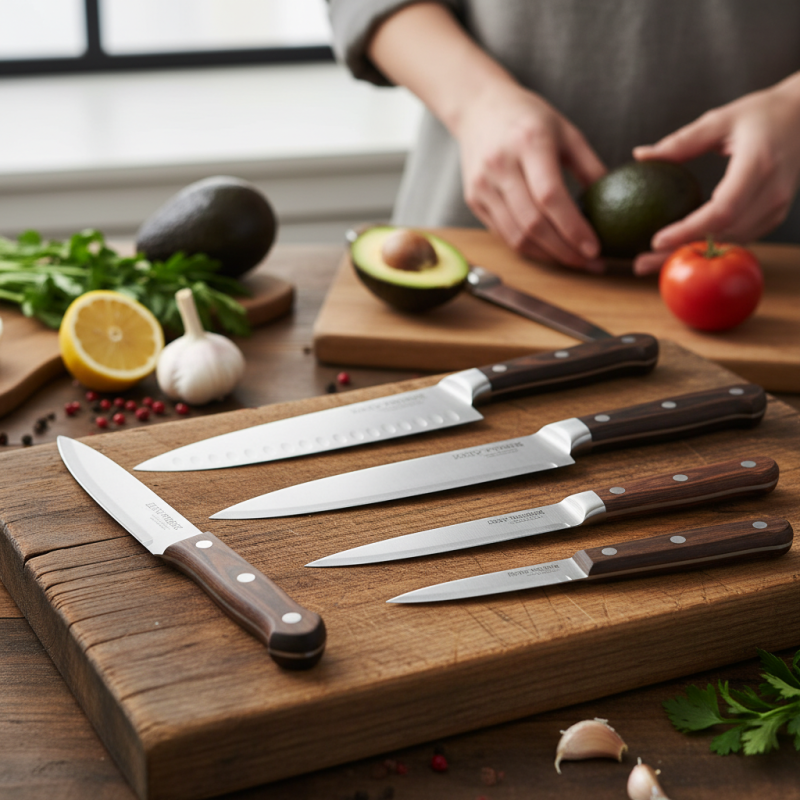
2026 Best Tips for Selecting Knives for Home Cooking?

Key Factors to Consider When Choosing Kitchen Knives

Choosing the right kitchen knife is essential for any home cook. Several key factors can help you make the best decision. First, think about the knife’s material. High-carbon stainless steel offers durability and sharpness, while ceramics are lightweight and resist rust. Each material has its strengths and weaknesses. Consider what feels right in your hand.

Weight and balance are crucial, too. A well-balanced knife allows for easier control and reduces hand fatigue. Test different weights to see what suits your cooking style. Ergonomics is also important; a comfortable handle can make chopping and slicing a pleasure rather than a chore. It’s common to overlook how a knife feels during extended use.

Lastly, consider the blade shape and size for your specific tasks. A chef's knife is versatile, while a paring knife excels in precision work. Explore different options but remember your needs. It's okay to start your collection slowly. Every cook has different preferences, and there's no one-size-fits-all answer in knife selection. Enjoy the process and refine your choices over time.

Types of Knives Essential for Home Cooking

Choosing the right knives for home cooking can enhance your culinary experience. Different types of knives serve specific purposes. A chef's knife is versatile. It's perfect for chopping, slicing, and dicing. Opt for one with a comfortable grip for efficient use.

A paring knife is essential for intricate tasks. Use it for peeling fruit or deveining shrimp. Its small size offers precision. A serrated knife is ideal for slicing bread. It provides clean cuts without crushing the loaf.

A butcher knife may seem intimidating. However, it is great for larger cuts of meat. Remember, each knife requires maintenance. Regular sharpening is crucial. Keeping your knives in good shape is key to safety and efficiency. Reflect on your cooking habits to determine which knives you truly need. Avoid overcrowding your kitchen with tools that may never be used.

2026 Best Tips for Selecting Knives for Home Cooking

This chart illustrates the different types of knives that are essential for home cooking, along with their recommended usage frequency based on cooking trends.

Materials and Construction: Understanding Knife Composition

When selecting knives for home cooking, understanding materials and construction is crucial. The composition of a knife affects its performance and longevity. Common materials include stainless steel, carbon steel, and ceramic. Each has its pros and cons. Stainless steel is rust-resistant but may not hold an edge well. Carbon steel can be sharpened to a fine edge, but it requires more maintenance to prevent rust. Ceramic knives are light and maintain sharpness longer, but they are more fragile.

Tips for selection: consider the balance and weight of a knife. A well-balanced knife feels more comfortable in hand. Test knives if possible. Grip is essential; a knife should fit snugly in your palm. Moreover, examine the handle's material. Wood handles offer a classic feel, while synthetic materials ensure durability and low maintenance.

Don't overlook how you intend to use each knife. Your cooking style influences the knife type you need. A chef's knife is versatile, while a paring knife is ideal for intricate tasks. Ultimately, it’s about finding what works for you, even if it takes some trial and error. A selection of well-constructed knives tailored to your personal tastes can transform your cooking experience.

2026 Best Tips for Selecting Knives for Home Cooking? - Materials and Construction: Understanding Knife Composition

Knife Type Material Blade Construction Edge Type Handle Material Best Use
Chef's Knife High Carbon Stainless Steel Forged Straight Wood or Composite Chopping, Slicing
Paring Knife Plastic Coated Stainless Steel Stamped Straight Rubber or Plastic Peeling, Detail Work
Bread Knife High Carbon Stainless Steel Forged Serrated Wood or Composite Slicing Bread
Utility Knife Stainless Steel Stamped Straight Plastic or Composite Versatile Tasks
Fillet Knife Flexible Stainless Steel Forged Straight Non-slip Plastic Filleting Fish

Ergonomics and Comfort: Finding the Right Knife Handle

When selecting knives for home cooking, handle comfort is paramount. A knife that feels good in your hand can enhance your cooking experience. According to a recent industry report, an ergonomic handle reduces the risk of repetitive strain injuries by up to 40%. This is crucial for home cooks who spend extended hours preparing meals.

Look for handles that fit your grip. Consider materials like polypropylene or wood, which provide good traction. A comfortable grip allows for better control, making slicing and dicing effortless. Be aware that a handle that's too small or too large can lead to fatigue.

Tip: Test the knife by holding it and mimicking your cutting techniques. This will help you determine if the handle supports your hand's natural position. Remember, comfort and usability should never be compromised. Always choose a handle that matches your cooking style and needs.

Maintenance Tips for Longevity of Kitchen Knives

Caring for kitchen knives is essential for their longevity. A well-maintained knife can last for decades. Research by the American Knife and Tool Institute reveals that proper care can prolong a knife's life by 50% or more. This is significant for any home cook.

Regular honing and sharpening are crucial. Use a honing steel before each use and sharpen once every few months. Many cooks neglect this step, leading to dull blades. Dull knives not only make cooking harder but can also be dangerous. A study from the Kitchen Safety Institute shows that dull knives cause 70% of home cooking injuries.

Cleaning is another vital part of maintenance. Handwashing knives with mild soap is recommended. Avoid the dishwasher, as harsh detergents can damage the blade and handle. After washing, dry the knife immediately with a soft cloth. Neglecting to dry can lead to rust or corrosion, diminishing the knife's performance. Storing knives properly is important as well. A knife block or magnetic strip can prevent blades from dulling. Inadequate storage can lead to physical damage to the edges. Understanding these elements can help maintain your kitchen knives effectively.

FAQS

: What materials are commonly used for kitchen knives?

: Common materials include stainless steel, carbon steel, and ceramic. Each has its benefits and drawbacks.

How does knife material affect performance?

The knife's composition impacts sharpness, durability, and maintenance needs. Stainless steel is rust-resistant but dulls faster.

Why is ergonomics important when choosing a knife?

A comfortable handle reduces the risk of injuries and improves control, especially during long cooking sessions.

What should I consider about knife balance?

A well-balanced knife feels comfortable and enhances slicing efficiency. Test knives to find what fits you best.

How can I determine the right handle size for my knife?

Grip the knife and mimic your cutting style. Ensure it supports your hand comfortably without causing fatigue.

What are the pros and cons of ceramic knives?

Ceramic knives are light and maintain sharpness well, but they are more fragile and may chip easily.

How can I maintain a carbon steel knife?

Keep it dry and regularly sharpen it to prevent rust. This material requires more care than stainless steel.

What factors influence my choice of knife type?

Your cooking style is key. A versatile chef's knife is great for most tasks, while a paring knife excels at precision work.

What grip materials are recommended for knife handles?

Look for polypropylene or wood. These materials provide good traction and comfort during use.

Is trial and error needed when selecting knives?

Yes, finding the right knives may require experimentation. Choose those that align with your personal preferences.

Conclusion

When it comes to how to select knives for home cooking, there are several key factors to consider that can significantly enhance your culinary experience. Start by identifying the types of knives essential for your kitchen, such as chef's knives, paring knives, and serrated knives, each serving a distinct purpose. Understanding the materials and construction of knives is crucial; look for high-quality steel that ensures durability and sharpness.

Additionally, ergonomics and comfort play a vital role in your knife choice. Selecting a knife with a handle that fits well in your hand can reduce fatigue during prolonged use. Lastly, embracing maintenance tips will ensure the longevity of your kitchen knives, allowing them to perform optimally over time. By considering these aspects, you can make informed decisions that enhance your cooking efficiency and enjoyment.

Henry

Henry

Henry is a dedicated marketing professional with a profound expertise in the company's offerings. With years of experience in the industry, he possesses an impressive understanding of the market dynamics and consumer behaviors that drive success. Henry is committed to sharing his insights through......