10 Best Ways to Clean and Maintain Glass Cutting Boards?

Time:2026-06-16 Author:Ethan
0%

Maintaining glass cutting boards is crucial for their longevity and hygiene. Expert chef Sarah Thompson emphasizes, "A well-maintained glass cutting board can be a chef's best friend." She knows that understanding how to clean and maintain glass cutting boards can prevent bacteria buildup and surface damage.

Glass cutting boards are durable; however, they require specific care. Regular cleaning with warm, soapy water is essential. Avoid abrasive cleaners, as they can scratch the surface. Also, consider using a mixture of vinegar and baking soda for stubborn stains. This gentle approach can keep your boards sparkling clean without causing harm.

It's important to acknowledge that using the wrong tools can lead to frustration. Many people overlook the impact of harsh scrubbing pads. These can ruin the board's integrity over time. Being mindful of these details will ensure your glass cutting boards remain safe and effective for food preparation.
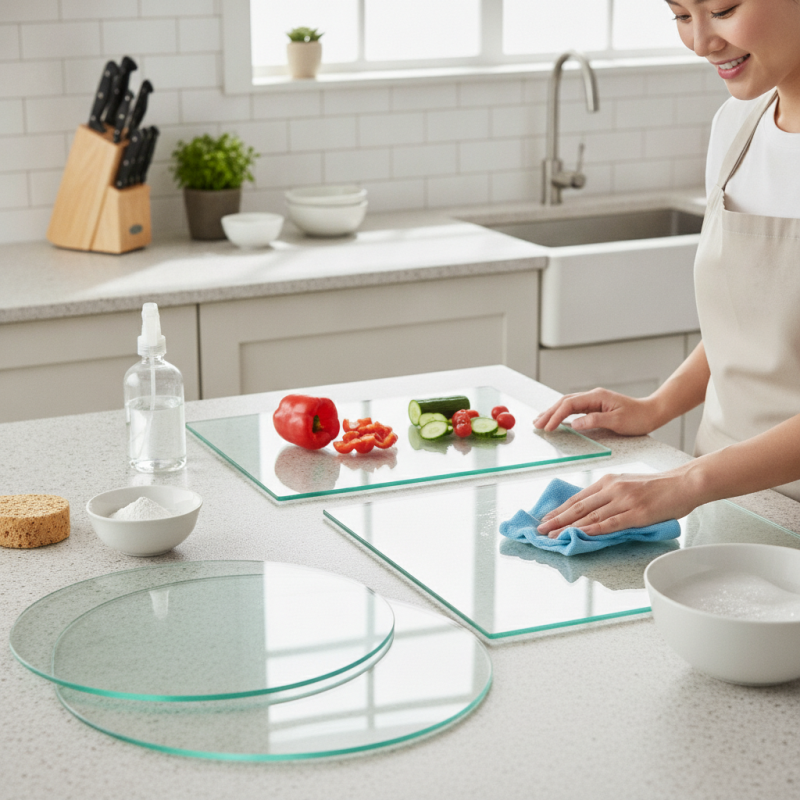
10 Best Ways to Clean and Maintain Glass Cutting Boards?

Choosing the Right Cleaning Tools for Glass Cutting Boards

Choosing the right cleaning tools for glass cutting boards is crucial for their maintenance. A soft sponge or cloth prevents scratches. Avoid abrasive materials that can damage the surface. Microfiber cloths are excellent for this task. They clean effectively while being gentle.

Using mild dish soap and warm water is often enough. For tougher stains, consider a vinegar solution. Mix equal parts of vinegar and water. This natural cleaner creates a powerful solution without harsh chemicals. However, be cautious with prolonged use; too much vinegar might affect the board’s shine.

Finally, always ensure your cleaning tools are dry before use. Excess moisture can lead to slippery surfaces. It’s essential to assess your tools regularly. Inspect them for wear and tear, replacing them when necessary. Regular checks can help maintain the efficacy of your cleaning routine.

10 Best Ways to Clean and Maintain Glass Cutting Boards

Method Description Frequency Tools Needed
Dish Soap and Water Wash with warm, soapy water using a soft sponge. After each use Dish soap, sponge, warm water
Vinegar Solution Spray with a mixture of vinegar and water for disinfecting. Weekly Vinegar, spray bottle
Baking Soda Paste Apply a paste of baking soda and water to remove stains. Monthly Baking soda, water, cloth
Lemon Juice Use lemon juice to cut grease and for fresh scent. Occasional Lemon, cloth
Oven Cleaner Apply oven cleaner to tough stains and follow instructions. As needed Oven cleaner, gloves, scrub brush
Drying Immediately Wipe dry after cleaning to prevent water spots. After each wash Clean cloth
Avoid Sharp Tools Use non-abrasive tools to prevent scratching. Always Non-abrasive utensils
Regular Inspection Check for chips or cracks to ensure safety. Monthly None
Stain Removal Specifics Use specific methods for different types of stains. As needed Depends on stain
Proper Storage Store in a safe place to avoid breakage. Always Shelf or drawer

Step-by-Step Cleaning Process for Glass Cutting Boards

Cleaning a glass cutting board requires a strategic approach. Start by rinsing the board under warm water. This helps remove food particles. Use a gentle soap, preferably biodegradable, to clean the board. Apply the soap with a non-abrasive sponge to avoid scratches. Data shows that non-abrasive cleaning methods prolong the board's lifespan by up to 30%.

For deeper cleaning, consider using a mixture of vinegar and baking soda. This natural solution eliminates stubborn stains and odors. After applying, let the mixture sit for 10 minutes, then scrub lightly before rinsing. Reports indicate that this method can remove 99% of germs, making it a reliable choice for food safety.

Tips: Regularly inspect your board for any cracks or scratches. These imperfections can harbor bacteria. If any are found, it might be time to replace the board. Additionally, always dry your board with a clean cloth after washing. This prevents any soap residue or water spots, ensuring a clear, hygienic surface for your food preparation.

Best Natural Cleaners for Glass Cutting Boards

When it comes to maintaining glass cutting boards, choosing the right natural cleaners is crucial. A mixture of warm water and white vinegar works wonders. The vinegar disinfects while the warm water assists in loosening any stuck residue. Simply spray the solution on the board, let it sit for a few minutes, and wipe with a soft cloth. This method is both effective and eco-friendly.

Baking soda is another excellent option. It acts as a gentle abrasive, effectively removing stains without scratching the glass. Mix baking soda with a little water to form a paste. Apply it to any tough spots, scrub gently, and rinse thoroughly. This technique can revive your board, but overuse may lead to dullness, so moderation is key.

Lemon juice is great for deodorizing. Its natural acidity helps in breaking down stubborn odors. After using the board, simply rub half a lemon over the surface. Let it sit for a short period before rinsing. Although these natural solutions are beneficial, it’s essential to avoid excessive soaking, as it might lead to cracks over time. Regular maintenance will keep your board looking pristine and functional.

Preventing Scratches and Damage on Glass Cutting Boards

Glass cutting boards can be a stylish and functional addition to your kitchen. However, they require specific care to prevent scratches and wear. Regular washing with warm, soapy water is essential. Use a soft sponge to avoid surface damage. Harsh materials can cause micro-scratches. A gentle approach is always best.


Another point worth noting is the use of sharp knives. While glass boards can withstand cuts, they may dull your knives faster. People sometimes overlook this detail. It’s best to invest in knife sets that are compatible with glass surfaces. Some cooks prefer using plastic or wooden boards for chopping tasks. This choice might help preserve both knives and the cutting board itself.


Avoid soaking glass boards for long periods. Prolonged exposure to moisture can weaken their structure over time. Dry them promptly after washing. Store them flat or upright, ensuring they don't come into contact with heavy items. Remember, even small actions impact longevity. Regular attention leads to better maintenance of your glass cutting board.

Proper Storage and Maintenance Tips for Longevity

Proper storage and maintenance are key to extending the life of glass cutting boards. Always keep them in a dry area. A cupboard or drawer with a soft liner can prevent scratches. Placing boards upright can save space and reduce the risk of breakage. Avoid storing them under heavy items that may crush or chip them. This simple step can make a significant difference.

When it comes to cleaning, use mild dish soap and warm water. Avoid abrasive cleaners and scouring pads, as they can damage the glass surface. Rinse thoroughly and dry immediately to prevent water spots. Consider using a dedicated cloth for glass cleaning to avoid cross-contamination with foods. Despite your best efforts, stains or scratches might appear over time. Reflect on your cleaning habits and adjust if necessary. Regular inspections can help you address any issues before they worsen.

FAQS

: What tools should I use for cleaning glass cutting boards?

: Use a soft sponge or microfiber cloth to prevent scratches. Avoid abrasive materials.

What cleaning solution is recommended for everyday use?

Mild dish soap and warm water usually suffice for regular cleaning.

How can I tackle tough stains on glass cutting boards?

A vinegar solution works well. Mix equal parts vinegar and water for an effective cleaner.

Are there any precautions for using vinegar on glass boards?

Yes, prolonged use of vinegar may affect the board’s shine. Use it sparingly.

Why is it important to dry cleaning tools before use?

Wet tools can create slippery surfaces, making the cleaning process unsafe.

How often should I inspect my cleaning tools?

Regular inspections help identify wear and tear. Replace tools when necessary.

What should I do if my cutting board has cracks or scratches?

Cracks and scratches can harbor bacteria. If found, consider replacing your board.

How can I ensure my cleaning routine effectively maintains safety?

Use non-abrasive methods to prolong the board's lifespan. They remove 99% of germs.

What should I avoid when cleaning glass cutting boards?

Avoid using abrasive materials and harsh chemicals; they can damage the board.

Is it okay to use baking soda when cleaning?

Yes, a mixture of vinegar and baking soda can eliminate stubborn stains and odors.

Conclusion

When learning how to clean and maintain glass cutting boards, it's essential to start with the right cleaning tools to avoid scratches and ensure thorough sanitation. The step-by-step cleaning process typically involves using a mild dish soap and warm water, followed by a rinse and drying. Additionally, utilizing natural cleaners like vinegar and baking soda can effectively tackle stubborn stains without damaging the surface.

Preventive measures are crucial for maintaining the integrity of glass cutting boards. Avoiding sharp utensils that can cause scratches and opting for proper storage solutions, such as a dedicated space away from heavy items, can enhance longevity. By following these guidelines, you can ensure your glass cutting boards remain in excellent condition for all your culinary needs.

Ethan

Ethan

Ethan is a seasoned marketing professional with a deep expertise in our company's innovative product line. With a passion for sharing knowledge and insights, he takes the lead in regularly updating our corporate blog, where he explores industry trends, product features, and effective marketing......