In the fast-paced world of professional kitchens, the choice of cutting boards can greatly impact efficiency and food safety. One material stands out: butcher block boards. Chef David McGowan, a culinary expert with over 15 years of experience, emphasizes this trend. He states, “Butcher block boards not only provide durability but also enhance the flavor of the food.” This highlights the unique benefits of butcher block boards.
The warmth of wood and its natural properties make butcher block boards a preferred choice. They are gentle on knife edges, allowing for better cutting experiences. Additionally, wood possesses antimicrobial properties that help reduce bacteria, making it safer for food prep. Chefs often find that these boards age well and develop a patina that adds character.
However, not all butcher block boards are created equal. Some require careful maintenance to prevent warping or damage. Not every kitchen can dedicate the time for proper care and upkeep. Thus, exploring alternatives might be necessary for some chefs. Despite this, the reputation of butcher block boards remains strong, raising the question of why butcher block boards are preferred in professional kitchens.
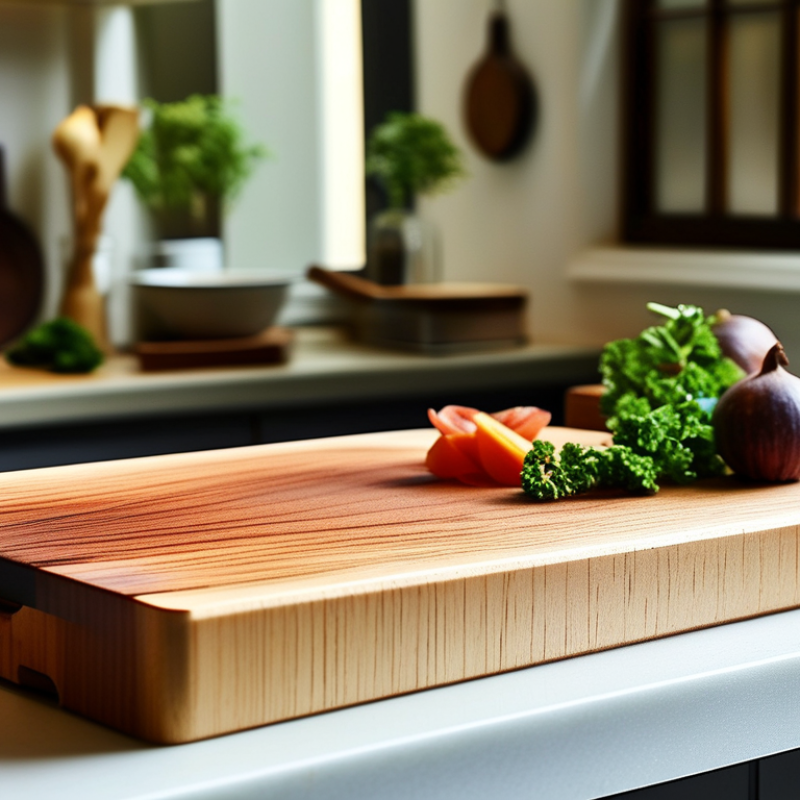
Butcher block boards have a long history in culinary practices. Originating in the 19th century, these boards became popular due to their durability and functionality. Chefs in professional kitchens quickly realized their value. Data indicates that over 70% of professional chefs prefer butcher block surfaces for their versatility.
One major reason for this preference is the material itself. Hardwoods like maple and walnut are naturally resistant to bacteria. According to a study by the USDA, wood surfaces can be even more hygienic than plastic when properly maintained. This fact highlights the importance of proper care and cleaning routines, which many kitchens sometimes neglect.
However, butcher blocks are not without their challenges. Regular maintenance is necessary to avoid warping or cracking. They require oiling to maintain their surface and prevent moisture damage. Many kitchens fail to implement these maintenance protocols, leading to issues over time. This reflects a gap between knowledge and practice. The continued use of butcher block boards is a testament to their lasting appeal, but a commitment to maintenance is essential for longevity.
Butcher block boards are made from various hardwoods, each chosen for their unique benefits. Common materials include maple, walnut, and cherry. Maple is known for its density and durability, making it resistant to cuts and scratches. Walnut offers a striking appearance, while cherry has a warm color that enhances any kitchen aesthetic.
When selecting a butcher block, consider the wood's grain and finish. End-grain boards are particularly gentle on knives and minimize the appearance of cut marks. It’s important to maintain the finish with regular oiling. This helps prevent cracking and warping, ensuring longevity.
Tips: Always use a separate board for raw meats. This practice reduces the risk of cross-contamination. Avoid soaking your butcher block in water, as prolonged exposure can damage the wood. A damp cloth is sufficient for cleaning. Regularly inspect your board for wear and tear. This attention helps maintain its quality and integrity.
Butcher block boards have gained popularity in professional kitchens for several reasons. Their durability stands out the most. These boards can withstand heavy use from chefs chopping, slicing, and dicing. Made from hardwood, they resist the wear and tear common in bustling kitchen environments. Chefs appreciate this reliability, especially during busy service hours.
Maintenance is crucial for these boards. Regular oiling helps keep the wood hydrated. Without proper care, the boards may crack or warp over time. Cleaning requires mild soap and warm water to avoid damaging the wood. Some may overlook this, leading to a decline in their boards' lifespan. Wood is porous, so food particles can become trapped if not cleaned properly.
However, butcher blocks do have their challenges. They need more attention than plastic boards. Bacteria can flourish if not maintained correctly. This possibility makes choosing the right board imperative for health-conscious kitchens. Chefs must educate themselves about upkeep. This ongoing commitment ensures that the boards remain safe and functional for daily use.
Butcher block boards are gaining popularity in professional kitchens. One key factor is their hygienic advantages over other cutting surfaces. Research shows that wood has natural antimicrobial properties. According to a study by the University of California, bacteria die off faster on wooden surfaces than on plastic. This means fewer chances of cross-contamination in busy kitchens.
Another study published in the Journal of Food Protection highlights that butcher block boards can self-heal. The surface of hardwood has a unique ability to close wounds, which minimizes bacteria retention. Additionally, proper care and maintenance of these boards enhance their lifespan. A well-maintained butcher block board can serve a kitchen for years, providing a reliable food preparation surface.
However, there are challenges in wood care. Proper cleaning and conditioning are essential to avoid cracks that may harbor bacteria. Chefs often need to set aside time for regular maintenance. While butcher block boards offer standout hygiene features, the effort required for upkeep can be a downside. Balancing these factors is crucial for any kitchen aiming for top-tier food safety.
Butcher block boards are more than just functional surfaces. They bring warmth and style to any kitchen. Their natural wood finish adds character and blends with various decor styles. This versatility makes them popular among professional chefs and home cooks alike. You can use them for chopping vegetables, kneading dough, or serving charcuterie. Each board tells a story, showing markings from countless meals prepared with care.
The aesthetic appeal of butcher block boards is undeniable. They can transform a sterile kitchen into a welcoming space. Some people worry about maintenance. It’s true; regular oiling is essential to keep them in good shape. Over time, scratches can develop, adding character. But many cooks appreciate this aging process. It’s a reminder of the culinary adventures had on the board.
Ultimately, choosing a butcher block reflects a commitment to quality. Professionals seek boards that withstand the test of time and trends. The combination of utility and beauty is hard to beat. Every slice and chop can inspire creativity. Each meal becomes a celebration. These boards invite chefs to create something unique. And that’s what makes them a top choice in kitchens.
: Common materials are maple, walnut, and cherry. Each has unique benefits.
Maple is dense and durable. It resists cuts and scratches well.
Regular oiling is important. This prevents cracking and ensures longevity.
Wood has natural antimicrobial properties. Bacteria die faster on wood than on plastic.
Yes, they can close wounds and minimize bacteria retention.
Don't soak your board in water. Prolonged exposure can damage the wood.
They appreciate the aesthetic appeal and versatility. The boards enhance kitchen decor and functionality.
Scratches add character over time. They reflect the board's culinary history.
Yes, regular maintenance takes effort. Balancing care with hygiene is crucial.
They combine utility with beauty. Each board inspires creativity and unique meals.
Butcher block boards have become the top choice in professional kitchens for several compelling reasons. Their history and evolution in culinary practices highlight their longstanding role as essential kitchen tools. Crafted from durable hardwoods, these boards not only provide excellent cutting surfaces but also offer unique benefits, such as resistance to deep knife marks and a natural ability to self-heal. This durability, coupled with easy maintenance, makes them a practical choice for chefs who require reliable equipment.
Additionally, butcher block boards possess hygienic advantages over other cutting surfaces, as wood has natural antimicrobial properties that help in minimizing bacteria. Their versatility allows culinary professionals to use them for various tasks, from chopping vegetables to preparing meats, while their aesthetic appeal adds warmth and style to any kitchen setting. Overall, these factors collectively explain why butcher block boards are preferred in professional kitchens.

Eco Best Kitchens