How to Choose an Ergonomic Knife for Comfort?

Time:2026-09-28 Author:Sophia
0%

Choosing a comfortable kitchen knife is not a matter of buying the thickest handle or the most expensive blade. It is about how the tool fits your hand, your cutting style, and the work you do repeatedly. Ergonomics researcher Dr. Alan Hedge is associated with this guiding principle: “Fit the task and tool to the person, not the person to the tool.” Apply that idea when considering how to choose ergonomic knives for comfort.

Notice what happens when you hold a knife naturally. Does the handle sit securely in your palm, or press against one spot? Can you keep your wrist fairly straight while slicing a firm carrot? A handle that feels comfortable for a few seconds may become tiring during a longer meal preparation. Small details matter: grip shape, surface texture, knife weight, and how the blade balances against the handle. No single design suits every hand.

This guide will explain what to look for and how to compare knives using practical checks. You will learn why a secure grip matters, how to assess balance, and when a lighter knife may feel easier to control. Try holding the knife before buying, if possible, and notice whether your fingers feel cramped. It is easy to overlook that first impression. It is also worth remembering that comfort cannot be judged by appearance alone. A polished handle may look inviting but feel slippery with damp hands. The best choice is the one you can control comfortably through ordinary kitchen tasks.
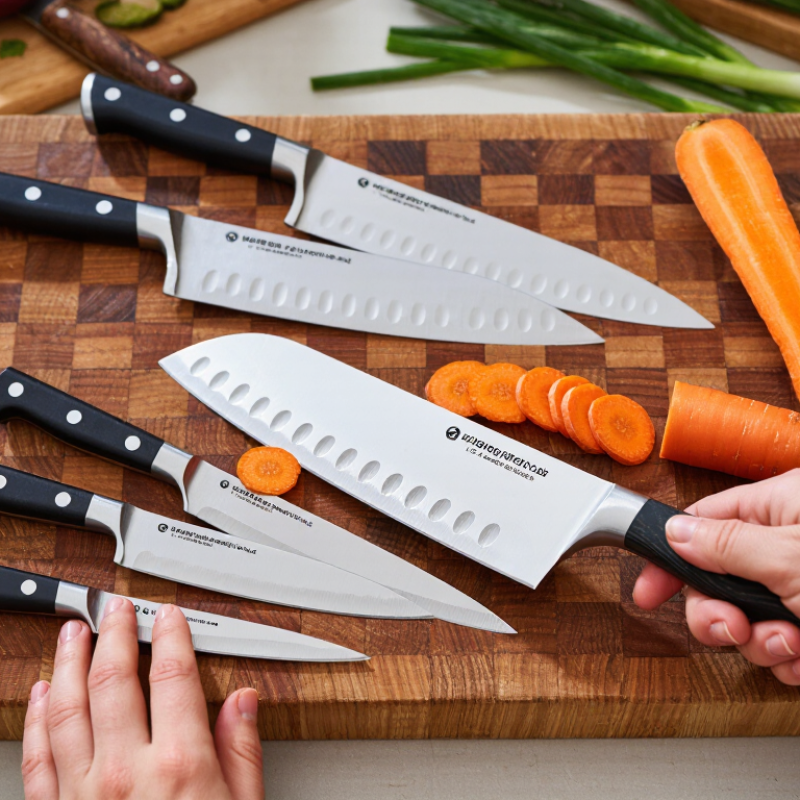
How to Choose an Ergonomic Knife for Comfort?

What Makes a Knife Ergonomic?

An ergonomic knife fits the hand using it, rather than following a single ideal shape. The handle should fill the palm without forcing fingers into a tight curl or leaving them stretched. A gentle contour can support different grips, while rounded edges help prevent pressure points during repeated chopping. Texture matters too: a secure, dry-feeling surface can reduce slipping, but deep grooves may trap food and resist cleaning. Fit is personal.

Balance should feel steady between handle and blade, not heavy at the tip or awkwardly weighted in the palm. During a test, hold it as you would while slicing a firm carrot; notice whether your wrist stays relaxed. A handle that feels comfortable for a few seconds may still cause strain during longer preparation. The blade’s length and weight should suit the tasks and the user’s strength, since extra heft is not automatically useful. Look for a smooth transition between handle and blade, with no sharp seams pressing into the fingers.

How to Match Knife Design to Your Hand and Tasks

How to Choose an Ergonomic Knife for Comfort?

Match the knife to your hand and the work you actually do. A handle should feel secure without forcing your fingers into a tight curl. If possible, hold it as you would while preparing food. Notice whether your thumb and index finger rest comfortably and whether the handle presses against your palm. Small details matter. A handle that feels fine in a shop may become tiring during a long chopping session.

Blade shape and weight also affect comfort. A broad chef’s knife can suit repeated chopping, while a smaller blade may feel easier to control for trimming. Choose a weight you can guide steadily; heavier does not automatically mean better. If you use a pinch grip, check that the blade’s heel and handle leave your fingers comfortable. There is no single ideal grip. I sometimes find a knife that feels balanced at first becomes awkward after several minutes, so give it a little time.

Tips: Try a few gentle cutting motions on a stable board. Keep your wrist relaxed, and notice any slipping, pressure points, or effort. A little awkwardness counts. Consider your usual ingredients, hand size, and whether you cook for minutes or hours. If discomfort persists, stop and reassess the fit rather than adjusting your grip through pain.

Which Handle Features Improve Comfort and Control?

A comfortable knife handle should feel secure before you start cutting. Hold it with dry hands, then try again with slightly damp hands; a handle that twists or feels slick can reduce control. Your fingers should curl naturally without pressing against sharp edges or narrow ridges. Small details matter.

Look for a shape that fills your palm without forcing your wrist into an awkward angle. Gentle contours can support different grips, while deep finger grooves may fit one hand poorly. Texture helps, but pronounced bumps can create pressure spots during longer prep.

Check the balance, too: if the handle feels heavy or the blade pulls forward, your hand may tire sooner. Choose a surface that stays manageable when wet and cleans easily.

Fit depends on hand size and cutting style, so measurements only tell part of the story. If possible, hold the knife as you would while slicing a firm carrot, with your wrist relaxed. Notice pressure after a minute, not just at first touch.

One easy mistake is assuming a softer handle will solve discomfort; its shape may still pinch near the thumb. A slightly broader grip may feel better to one cook and worse to another.

How to Evaluate Weight, Balance, and Blade Shape

A comfortable knife should feel steady, not merely light. Hold it as you would during a real cutting task, with a relaxed grip. Notice whether your wrist stays straight or bends to control the handle. EU-OSHA’s 2019 report on work-related musculoskeletal disorders says roughly three in five EU workers report musculoskeletal complaints. That figure covers many kinds of work, not knife use alone, but it shows why repeated strain deserves attention. Compare two knives by making the same short cuts through a firm vegetable. If your fingers tighten or your forearm tires quickly, reconsider the weight or handle fit.

Balance matters as much as total weight. A blade-heavy knife may help a firm downward cut, but can feel tiring during repeated chopping. A handle-heavy model may feel easier to lift, yet less controlled near the tip. There is no universal balance point; hand size and cutting style change the feel. Small differences matter. Check whether the knife rests comfortably near the bolster, and whether you can guide the tip without squeezing hard. Blade shape should match your motion: a curved edge supports a rocking cut, while a flatter edge suits straight chopping. A narrow tip helps with precise trimming; a broad blade can move chopped food. Test with a dry handle and an ordinary cutting board. My own preference can mislead me, so repeat the test after a few minutes.

How to Test a Knife for Fit and Safe Handling

An ergonomic knife should feel steady, not merely soft in the hand. The U.S. Bureau of Labor Statistics recorded 2.6 million nonfatal workplace injuries and illnesses in private industry in 2023, or 2.4 cases per 100 full-time workers. This broad figure is not knife-specific, but it underlines why safe handling deserves attention. A comfortable grip can help; it cannot replace careful technique.

Test the knife with dry hands and a stable cutting board. Hold the handle naturally, then check that your fingers do not crowd the blade or press against sharp edges. Your wrist should stay close to straight, without a forced twist. Make a few controlled cuts through a firm vegetable, keeping the blade on the board. Notice whether the handle rotates, pinches, or creates pressure spots. Stop if it feels unstable. A brief test may miss discomfort that appears during longer use, so be honest about that limitation.

Tips: Keep the blade pointed away from your fingers. No wobble. Try your usual grip, not a showroom pose. If your hand size or grip strength makes control difficult, consider a lighter knife or a thicker, non-slip handle. Check twice.

How to Choose an Ergonomic Knife for Comfort

Compare handle comfort and control with a short, careful test using food on a stable cutting board.

Example ratings only—not product test results. Rate each feature from 1 (poor) to 5 (excellent) for the knife you are testing. Look for a relaxed wrist, a comfortable grip, and controlled cuts; stop if you feel pain or lose control.

FAQS

How can I tell whether a knife handle fits my hand?

Hold it as you would while preparing food. Your fingers should curl naturally, without the handle pressing into your palm. Notice any tight spots.

Should I test a handle with damp hands?

Yes. Try holding it with dry hands, then slightly damp hands. If it twists or feels slick, control may be harder.

What handle shape is usually comfortable?

Look for a shape that fills your palm without forcing your wrist into an awkward angle. Deep finger grooves may not suit every hand.

Does a heavier knife offer better control?

Not always. Choose a weight you can guide steadily. A blade that pulls forward may tire your hand during repeated chopping.

Which blade shape works well for chopping?

A broad chef’s knife can suit repeated chopping. A smaller blade may feel easier to control when trimming.

How can I check comfort before a long cooking session?

Try a few gentle cuts on a stable board. Keep your wrist relaxed and notice pressure after a minute. Give it time.

What should I look for if I use a pinch grip?

Check that the blade’s heel and handle leave your fingers comfortable. If they press against your fingers, reconsider the fit.

What should I do if a knife feels uncomfortable?

Stop and reassess rather than adjusting your grip through pain. I have found a knife that felt balanced at first became awkward later.

Conclusion

Choosing a comfortable knife starts with understanding how its shape and construction work with your hand. To learn how to choose ergonomic knives for comfort, consider your hand size, grip style, and the tasks you perform most often. A handle should feel secure without forcing your fingers into an awkward position, while a gently contoured, non-slip surface can support control and reduce strain. The knife should also suit the work: a blade intended for precise cutting may feel different from one designed for broader, repetitive tasks.

Weight, balance, and blade shape all affect how a knife moves through food and how much effort each cut requires. Look for a knife that feels stable rather than overly heavy or tip-heavy, and choose a blade shape suited to your usual cutting motions. When possible, hold the knife before buying it. Check that your fingers have room, your wrist stays relaxed, and the grip feels controlled during a careful, safe cutting motion.

Sophia

Sophia

Sophia is a dedicated marketing professional with an exceptional depth of knowledge about her company's products and services. With a keen understanding of market trends and customer needs, she crafts insightful blog posts that not only inform but also engage readers, enriching the company’s online......