2026 How to Choose Between Wooden and Plastic Cutting Boards?

Time:2026-07-20 Author:Aria
0%

Choosing the right cutting board is essential for every kitchen. Many cooks wonder, "what are the benefits of wooden vs plastic cutting boards?" Industry reports indicate that wooden boards are preferred by 60% of professional chefs for their durability and knife-friendly surface. They are naturally antimicrobial, which helps reduce bacteria. However, wood can require more maintenance compared to plastic.

On the other hand, plastic cutting boards are often dishwasher safe and easier to clean. According to a study by the USDA, plastic boards can be sanitized effectively, making them a popular choice in food service environments. However, they can develop deep grooves from knife marks, harboring bacteria. This raises a concern about how often they should be replaced.

Ultimately, the choice between these two materials depends on personal preference and usage. Food safety, ease of maintenance, and aesthetic appeal all play a role. One must consider the pros and cons of each option carefully to find what best fits their cooking style. The debate continues, highlighting the need for ongoing reflection on kitchen tools and hygiene practices.
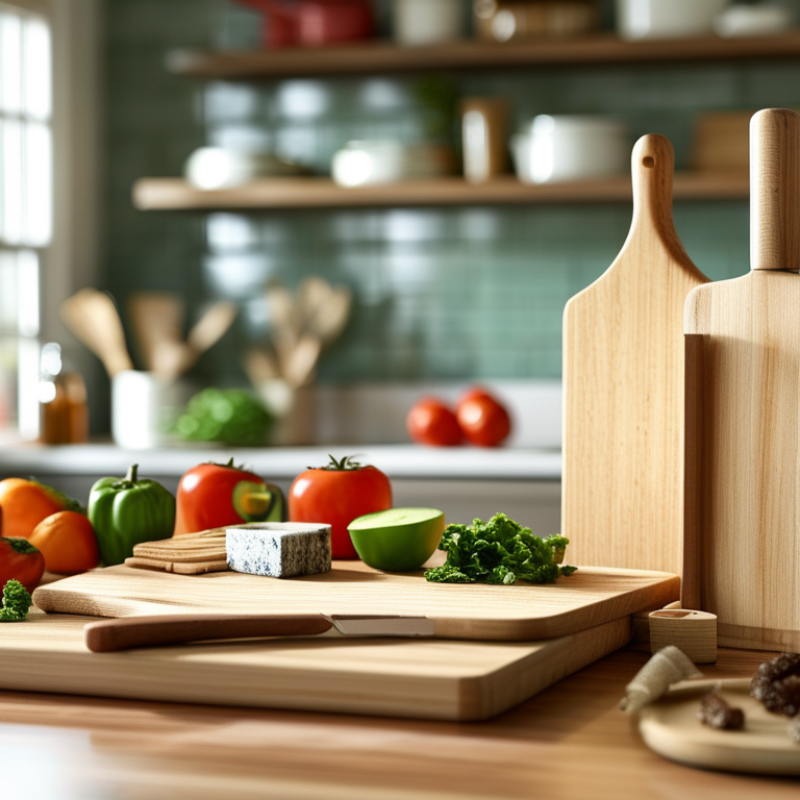
2026 How to Choose Between Wooden and Plastic Cutting Boards?

Factors to Consider When Choosing Between Wooden and Plastic Cutting Boards

When choosing between wooden and plastic cutting boards, several factors come into play. Material composition is crucial. Wooden boards, made from hardwoods like maple or walnut, are more durable and can last for years. They are less likely to retain bacteria, but they require more maintenance. Plastic boards, on the other hand, are lightweight and dishwasher-safe, making them easier to clean. However, they often show knife marks more quickly, which can harbor bacteria over time.

The choice also depends on usage. Studies indicate that chefs often prefer wooden boards for bread and meat due to their self-healing properties. Plastic boards are favorable for preparing vegetables. A report from the USDA showed that wooden boards have natural antimicrobial properties that can reduce bacterial growth by about 50% compared to plastic boards when maintained properly.

Tips: Always choose a cutting board that fits your cooking habits. If you’re a casual cook, a plastic board might suffice. If you cook frequently, investing in a wooden board may be worthwhile. Remember to regularly treat wooden boards with mineral oil to maintain their surface. Evaluate your needs and consider switching boards for different tasks.

Durability: Comparing Lifespans of Wooden vs. Plastic Cutting Boards

When it comes to cutting boards, durability is key. Wooden cutting boards can last for years with proper care. They can develop a rich patina over time, enhancing their aesthetic appeal. However, they need regular oiling to avoid cracking. Moisture can lead to warping if not maintained.

Plastic cutting boards are often seen as more convenient. They are resistant to staining and can be easily cleaned in the dishwasher. Yet, they can develop deep grooves over time. Those grooves can trap bacteria, making it harder to keep them safe for food preparation. Many users find it hard to identify when their plastic boards have reached the end of their lifespan.

Choosing between the two is not straightforward. Each type has its pros and cons. A wooden board may bring warmth to your kitchen, while plastic offers ease and hygiene. It's worth reflecting on your cooking habits. What do you value more: longevity or convenience?

Hygiene: Bacterial Growth and Cleaning Efficacy in Different Materials

When it comes to choosing between wooden and plastic cutting boards, hygiene plays a crucial role. A study published in the Journal of Food Protection found that wooden boards harbor fewer bacteria than plastic boards. This might seem surprising, as plastic boards are often perceived as more sanitary. However, wood has natural antimicrobial properties that can inhibit bacterial growth.

Cleaning efficacy also varies between the materials. While plastic cutting boards can be easily sanitized in the dishwasher, they are prone to deep grooves from knife cuts. These grooves can collect bacteria, making them hard to clean thoroughly. A recent report indicated that 60% of plastic boards tested showed bacterial presence even after washing. In contrast, wooden boards can be washed with soap and water and occasionally treated with mineral oil to maintain their surface.

Tip: To enhance the hygiene of your cutting boards, regularly inspect them for grooves or deep cuts. If grooves develop, consider sanding down the surface of a wooden board or replace a plastic one. Tip: Use separate boards for meat and vegetables. This simple practice minimizes cross-contamination and reduces foodborne illnesses, which are responsible for an estimated 48 million illnesses in the U.S. each year.

Cost Analysis: Long-term Value of Wooden vs. Plastic Cutting Boards

Choosing between wooden and plastic cutting boards involves considering long-term value and costs. Wooden boards tend to be more expensive upfront. However, their durability often makes them a worthwhile investment. With proper care, they can last many years. Plastic boards are cheaper, but they may not hold up as well over time.

When analyzing costs, you should also consider the impact on knife edges. Wooden boards are gentler on knives, leading to fewer replacements. Plastic boards can dull knives more quickly. This can result in extra costs for sharpening or buying new knives.

Tips for longevity: Regularly oil your wooden cutting board to prevent cracking. For plastic boards, toss them in the dishwasher for thorough cleaning. Both types can harbor bacteria if not maintained properly. Keep an eye on any scratches or grooves that may develop. These imperfections can hold onto food particles, affecting hygiene. Ultimately, think carefully about your needs and kitchen habits before making a choice.

Cost Analysis: Long-term Value of Wooden vs. Plastic Cutting Boards

Aesthetic Appeal: Design and Kitchen Integration of Both Options

When considering cutting boards, aesthetics play a crucial role. Wooden and plastic boards each bring unique design elements to your kitchen. A wooden board often adds warmth and a rustic feel. Its natural grains enhance visual appeal. In contrast, plastic boards come in various colors and shapes, offering a modern touch.

Choosing the best option can depend on your kitchen style. A contemporary kitchen may benefit from a sleek plastic board. A cozy, farm-style kitchen often pairs better with the organic beauty of wood. Think about how each type works with your countertops and cabinetry. Reflect on the overall vibe you wish to achieve.

Tips: Opt for a wooden board if you appreciate the craftsmanship and warmth it brings. However, consider that wooden boards require maintenance, like oiling. Plastic boards are easier to clean and sanitize but may not offer the same aesthetic charm. Pick what best aligns with both your practical needs and your kitchen's design.

FAQS

: What should I consider when choosing a cutting board?

: Material composition, usage, and maintenance are key factors to consider.

Are wooden cutting boards more durable than plastic ones?

Yes, wooden boards, especially those made from hardwoods, are more durable and can last for years.

How do wooden and plastic boards compare in terms of bacteria?

Wooden boards have natural antimicrobial properties and can reduce bacterial growth by about 50% when maintained properly.

Which type of board is better for vegetable preparation?

Plastic cutting boards are generally favored for preparing vegetables due to their lightweight nature and easy cleaning.

Do wooden cutting boards require special care?

Yes, wooden boards need regular treatment with mineral oil to maintain their surface and longevity.

How does the design of cutting boards influence kitchen aesthetics?

Wooden boards add warmth and rustic charm, while plastic boards offer a modern touch and come in various colors.

Can I use both types of cutting boards?

Yes, you can switch boards for different tasks based on your cooking habits and needs.

Is it necessary to clean plastic cutting boards regularly?

Definitely. While they are easier to clean, they can show knife marks that may harbor bacteria over time.

What should I prioritize when selecting a cutting board?

Consider your cooking habits and how the board fits with your kitchen's overall style and practicality.

Is there a downside to using wooden boards?

Yes, they require maintenance and can be less forgiving if not cared for properly.

Conclusion

When choosing between wooden and plastic cutting boards, several factors come into play. Durability is a key consideration, as wooden boards often boast longer lifespans than their plastic counterparts, though they may require more maintenance. Hygiene is another critical aspect, with studies suggesting that wooden boards can inhibit bacterial growth better than plastic ones. However, plastic boards are typically easier to clean and may be more suitable for tasks involving raw meat due to their dishwasher compatibility.

Cost analysis also reveals that while wooden boards may have a higher initial investment, their durability could lead to better long-term value. Finally, the aesthetic appeal of wooden cutting boards often makes them a desired choice for kitchen integration, providing a warm, natural look compared to the more utilitarian plastic options. In summary, when considering "what are the benefits of wooden vs plastic cutting boards," it’s essential to weigh durability, hygiene, cost, and design preference to make the best choice for your kitchen.

Aria

Aria

Aria is a dedicated marketing professional with a deep passion for innovative strategies and a keen understanding of our company's product offerings. With a wealth of experience in the industry, Aria excels at crafting engaging content that highlights the unique features and benefits of our......