In small kitchens, space is precious. This creates challenges when selecting kitchen tools. One essential item is the cutting board. It not only serves as a preparation surface but also impacts your cooking experience. Understanding how to select cutting boards for small kitchens is crucial for maximizing utility.
Cutting boards come in various sizes and materials. Each type has its pros and cons. For instance, bamboo boards are lightweight and eco-friendly. However, they can be prone to scratches. Plastic boards are easy to clean, yet they may not offer the same durability. You might feel overwhelmed by choices. Consider your cooking habits to find what suits you best.
A well-chosen cutting board can enhance your kitchen efficiency. However, many overlook its importance. It's not just about aesthetics. A good board can facilitate better food preparation. Reflect on the space you have. Choose a board that fits both your kitchen and your workflow. Expand your culinary experience by making an informed decision.
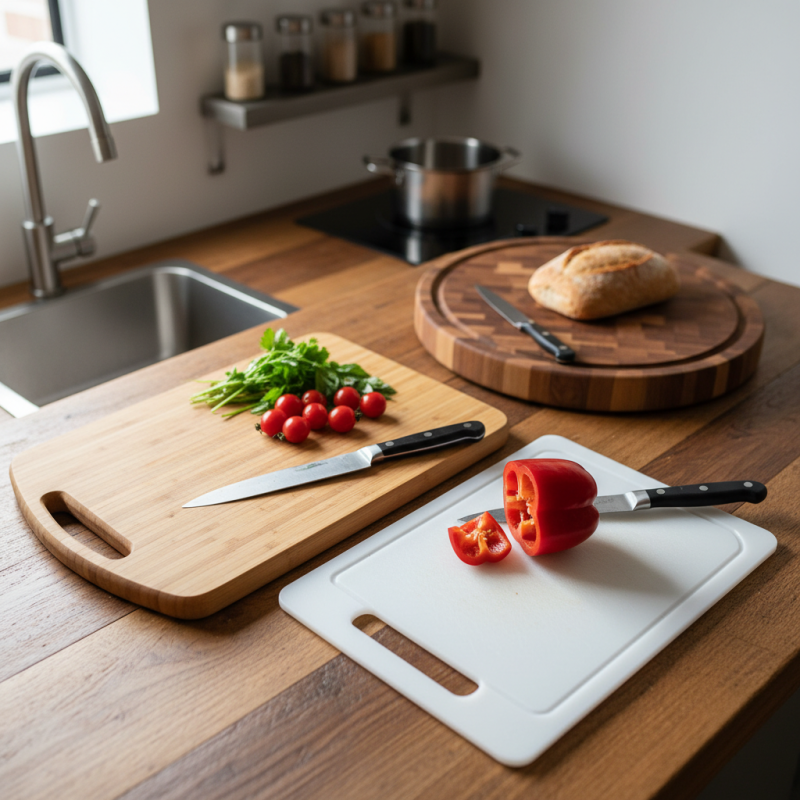
Cutting boards play a crucial role in small kitchens, where every inch of space is valuable. The right cutting board can enhance food preparation efficiency and maintain hygiene. According to the National Sanitation Foundation, plastic cutting boards are less likely to harbor bacteria compared to their wooden counterparts. However, wood boards can offer a more aesthetic appeal, which may be a consideration in a small kitchen where design matters.
When choosing cutting boards, size is key. A smaller, flexible cutting board can be easily stored in a drawer or hung on a wall. It's essential to choose boards that can be easily cleaned. This not only promotes hygiene but also ensures that the board remains in good condition for a long time. Consider boards with integrated handles for easy maneuvering.
Tip: Always have at least two boards—one for raw meats and another for vegetables. This practice significantly reduces cross-contamination. Remember, investing in a high-quality board can save money over time due to their durability. Balancing size, material, and maintenance is necessary for maximizing functionality in a small kitchen.
This chart illustrates the popularity of different types of cutting boards used in small kitchens. Wood boards are favored for their durability and aesthetics, while plastic boards are preferred for easy cleaning. Bamboo offers an eco-friendly option, and glass, despite its sleek appearance, is less favored due to its fragility and noise during use.
When choosing cutting boards for small kitchens, consider dimensions and materials. Wooden boards bring warmth but can take up space. Plastic boards are lightweight and easy to store. Glass boards don’t absorb odors but may dull knives. Each type has pros and cons.
For limited counter space, opt for boards that can be hung or slid into a drawer. A small, reversible board can double your workspace. Some boards even feature measuring marks for added convenience.
Tip: Always clean and sanitize your cutting boards properly. Use soap and water on plastic and glass boards. Wooden boards require special care to maintain their longevity. Consider your cooking habits when deciding on size and material. This can help avoid clutter and ensure efficiency in food preparation.
When selecting cutting boards for small kitchens, space is a primary concern. A survey by the American Culinary Federation indicates that 70% of chefs prioritize efficient kitchen layouts. Opt for lightweight boards that can be easily maneuvered. Compact options, typically measuring around 12x18 inches, fit perfectly on countertops without crowding.
Material plays a crucial role. A study by the National Sanitation Foundation found that plastic boards are easier to sanitize than wood. However, wood cutting boards offer durability and aesthetics, often favored in kitchen designs. Consider using dual-sided boards, which allow you to separate food types. This feature maximizes functionality in tight spaces.
Look for boards with grips or handles. This allows for easy transport, even when space is limited. Also, thickness matters; thicker boards resist warping and damage over time. However, they can be cumbersome in small areas. Finding the right balance can be challenging, as personal preferences vary widely. If possible, experiment with different sizes and types to understand what best suits your small kitchen needs.
| Factor | Description | Recommended Material | Unique Feature |
|---|---|---|---|
| Size | Opt for a smaller board that fits your limited counter space. | Bamboo or Plastic | Compact and lightweight for easy handling. |
| Versatility | Choose boards that can serve multiple purposes, such as cutting and serving. | Wood or Composite | Dual-use designs enhance functionality. |
| Maintenance | Consider ease of cleaning and upkeep in a small kitchen. | Plastic | Dishwasher safe and resistant to stains. |
| Durability | Select boards that will withstand frequent use without warping. | Wood or Bamboo | Long-lasting with proper care. |
| Storage | Look for boards that are easy to store in limited spaces. | Thin and Foldable Plastic | Easily storable in drawers or hangable. |
In a small kitchen, every inch matters. Organizing your cutting boards efficiently can free up valuable counter space. Consider storing them vertically. This not only saves space but also makes them easily accessible. Install a simple rack or use a pot lid organizer. Both solutions allow you to see all your boards at a glance.
If you prefer to keep them in a drawer, invest in a drawer divider. This keeps your boards from sliding around and makes it easier to find the right size. Remember to measure your drawer to ensure a good fit. Some boards can be heavy. A lightweight option might be best if you have mobility issues.
Another idea is to use magnetic strips. They can be mounted on the wall to hold lighter plastic boards. This method saves drawer space and elevates your kitchen's decor. However, a magnetic strip may not suit everyone’s aesthetic. Reassess your kitchen’s style before committing. Organizing cutting boards might involve some trial and error, and that’s perfectly okay.
When managing cutting boards in small kitchens, maintenance is crucial. Regular care keeps your boards in good shape. Oil wooden boards every month. This prevents dryness and cracking. Clean them with mild soap and water after each use. Avoid soaking them in water, as this can warp the wood.
Tips for caring for small kitchen cutting boards include using separate boards for meats and vegetables. This helps to avoid cross-contamination and maintain hygiene. Keep your boards in a well-ventilated area to ensure they dry properly. A compact dish rack can help air out your boards when not in use.
Another helpful hint is to regularly inspect your cutting boards for signs of wear. Look for deep grooves or cracks. These can harbor bacteria over time. If you notice significant damage, it might be time to replace the board, even if space is limited. Reflect on how you can optimize your storage options to keep your boards accessible but tidy.
: Compact cutting boards around 12x18 inches fit well on countertops without overcrowding.
Plastic boards are easy to sanitize. Wood boards offer durability and an appealing look.
Store them vertically or use a drawer divider. Both methods save space and keep them accessible.
No, you should use separate boards for meats and vegetables to maintain hygiene and avoid contamination.
Oil wooden boards monthly and clean with mild soap after each use to prevent damage.
Yes, magnetic strips save drawer space, but ensure this method suits your kitchen décor style.
Regularly inspect for deep grooves or cracks. Replace the board if it's significantly damaged.
Optimize your storage options. Experiment with different setups until you find what works best.
In small kitchens, choosing the right cutting boards is essential to maximize limited counter space and enhance cooking efficiency. Understanding the importance of cutting boards allows you to appreciate their role in food preparation, safety, and hygiene. When considering how to select cutting boards for small kitchens, it’s crucial to explore different types that offer versatility while fitting neatly into compact spaces. Compact, multi-functional boards made from materials like bamboo or plastic are often ideal for limited areas.
Additionally, factors such as size, thickness, and ease of cleaning should influence your decision. Creative storage solutions, such as hanging boards on walls or utilizing drawers, can further optimize space. Regular maintenance, including proper cleaning and conditioning, ensures that your cutting boards remain in excellent condition, making them functional assets in your tiny kitchen. By following these guidelines, you can effectively integrate cutting boards into your culinary setup without compromising on space or usability.

Eco Best Kitchens