Choosing durable knives for global buyers requires more than comparing stainless-steel labels or advertised hardness. A knife may look impressive under showroom lighting, yet fail after repeated cutting, washing, or exposure to coastal humidity. The real question is what factors affect knife durability across different working environments?
Larrin Thomas, a metallurgist and author of Knife Engineering, states, “There is no such thing as a best steel, only a best steel for a particular application.” His point is practical. Edge retention, toughness, corrosion resistance, blade thickness, heat treatment, and handle construction all influence service life. A thin chef’s knife may slice beautifully but chip when twisted. A tougher outdoor blade may survive impact but lose its edge sooner. Hardness helps, but excessive hardness can create brittleness. Small trade-offs matter.
Global buyers should examine independent test data, manufacturing consistency, and after-sales support. Ask whether the stated steel grade matches the delivered product. Check the tang, rivets, spine finish, and sheath materials. Salt spray, acidic food, hard water, and careless storage can expose weaknesses quickly. Packaging also matters when knives travel through humid warehouses and long supply chains.
Durability is not permanent. Maintenance changes the result. Even a well-made blade can rust when stored wet. Some buyers may also overvalue premium branding and undervalue repairability. That is an easy mistake. A reliable purchasing decision connects steel selection with real users, climate, workload, and maintenance habits. The best knife is not universally strongest. It is dependable for its intended conditions.
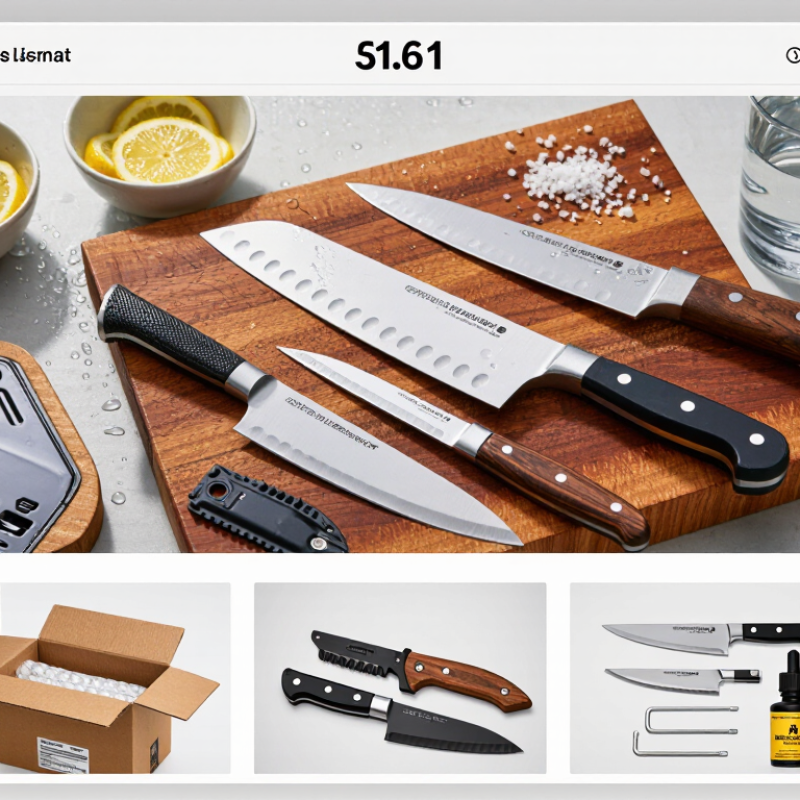
Durability means different things across global markets. A kitchen knife may face daily washing, acidic foods, and repeated chopping. A camping knife may meet rain, dust, frozen materials, and rough storage. In coastal logistics, salt exposure matters greatly. UNCTAD’s Review of Maritime Transport reports that about 80% of global merchandise trade by volume moves by sea. That environment can accelerate corrosion before a knife reaches its user.
Material choice needs evidence, not attractive labels. Stainless steel improves corrosion resistance, but hardness, heat treatment, edge geometry, and handle construction also control service life. ISO 8442-1 provides requirements for household knife safety and performance. Buyers should request test methods, hardness ranges, corrosion results, and batch records. NOAA identifies average seawater salinity near 35 parts per thousand, so marine-use testing should include realistic salt exposure. A thick blade is not automatically durable. I have seen poor edge retention paired with impressive-looking steel. That mistake deserves more attention.
Tips: Match testing to the destination. Request salt-spray data for coastal use, wash-cycle testing for kitchens, and impact testing for outdoor work. Check whether results cover the full knife, including the handle and fastening points. Ask for independent laboratory reports when possible. Small details matter. Also, test packaging and storage conditions. Humidity can damage a sound product before first use. There is no universal durability score, and that limitation should be stated clearly to buyers.
| Global Use Case | Recommended Blade Characteristics | Typical Steel Categories | Practical Hardness Range | Durability Priorities | Environmental Risks | Recommended Inspection or Test |
|---|---|---|---|---|---|---|
| Outdoor and Camping | Fixed blade, full-tang construction, blade thickness around 3–5 mm, secure grip, and a corrosion-resistant finish. | Stainless martensitic steels or tough carbon steels with a protective coating. | Approximately 56–60 HRC | ; the knife should resist impact, twisting, and occasional knot cutting. | Rain, humidity, soil, abrasion, and limited access to cleaning facilities. | Check tang continuity, handle security, sheath retention, edge stability, and resistance to surface rust after exposure to moisture. |
| Professional Kitchen | Thin, well-ground cutting edge; balanced handle; smooth, hygienic surfaces; and geometry suited to repeated food preparation. | Food-contact stainless steels with good corrosion resistance and adequate edge retention. | Approximately 56–61 HRC | . | Water, salt, acids, detergents, dishwashers, and frequent wet-dry cycles. | Evaluate edge straightness, handle-to-blade joint, staining after salt or acidic-food exposure, and performance after repeated honing. |
| Seafood Processing | Highly corrosion-resistant blade, non-porous handle, strong edge, and design that can be cleaned and sanitized efficiently. | High-chromium stainless steels or precipitation-hardening stainless steels. | Approximately 55–60 HRC | for filleting applications. | Saltwater, chlorides, fish oils, cold temperatures, and frequent sanitation. | Use salt-spray or immersion screening where appropriate; inspect for pitting, crevice corrosion, handle gaps, and edge chipping. |
| Agriculture and Field Work | Robust blade profile, impact-resistant handle, comfortable grip, and a geometry that tolerates contact with fibrous materials. | Tough carbon steels or tough stainless steels, often with a protective surface treatment. | Approximately 54–59 HRC | . | Plant sap, fertilizer residues, mud, sweat, and outdoor storage. | Check for handle loosening, edge rolling rather than brittle chipping, coating damage, and corrosion after residue exposure. |
| Industrial Cutting | Blade geometry matched to the material, controlled heat treatment, replaceable or serviceable parts where practical, and guarded handling features. | Tool steels or wear-resistant stainless steels selected for the specific cutting material. | Approximately 58–64 HRC | . | Continuous abrasion, adhesive wear, dust, vibration, and production-line contaminants. | Measure edge retention under a defined workload, inspect for micro-chipping, and verify hardness uniformity using a recognized hardness method. |
| Household and General Utility | Moderate blade thickness, corrosion-resistant construction, safe grip, and an edge that can be maintained with common sharpeners. | General-purpose stainless steels with balanced toughness and corrosion resistance. | Approximately 55–60 HRC | . | Dishwashing, humidity, accidental impact, improper storage, and infrequent maintenance. | Inspect opening or locking mechanisms where applicable, handle fit, corrosion after detergent exposure, and edge recovery after sharpening. |
| Tropical and Coastal Markets | Corrosion-resistant blade and hardware, sealed handle construction, drainage-friendly design, and protective packaging during shipment. | Stainless steels with strong chloride resistance; avoid unprotected reactive surfaces for low-maintenance users. | Approximately 55–60 HRC | are usually more important than maximum hardness. | High humidity, salt-laden air, condensation, and prolonged storage in warm conditions. | Review chloride exposure results, inspect fasteners and joints, and verify packaging with vapor-corrosion protection or moisture control when required. |
| Cold and Dry Regions | Tough blade material, impact-resistant handle, reliable grip with gloves, and a design that remains serviceable at low temperatures. | Tough stainless steels or carbon steels with suitable low-temperature impact performance. | Approximately 54–59 HRC | . | Low temperatures, thermal shock, dry-air embrittlement concerns, ice, and glove use. | Conduct low-temperature impact screening when relevant; inspect handle cracking, locking reliability, and edge damage after controlled impact tests. |
| Frequent Export and Long-Distance Distribution | Stable construction, protective packaging, corrosion-resistant surfaces, and clear maintenance instructions in the destination language. | Stainless or coated steels selected according to the destination climate and application. | Application-dependent; commonly 55–61 HRC | across production batches. | Condensation, vibration, salt air during transport, warehouse humidity, and extended storage. | Use incoming inspection, packaging-drop checks, humidity exposure screening, batch hardness checks, and visual inspection for coating or edge damage. |
| Note: Hardness ranges are practical reference ranges rather than universal specifications. Final knife durability depends on steel composition, heat treatment, blade geometry, edge angle, handle construction, maintenance, and the actual operating environment. | ||||||
Durability depends on the environment and workload. Kitchen knives face washing, acidic foods, and repeated chopping. Outdoor knives may encounter rain, dust, frozen materials, and rough storage.
Steel is only one factor. Hardness, heat treatment, edge geometry, handle construction, and storage conditions also matter. Attractive material labels can mislead buyers.
Request salt-spray or saltwater testing on finished samples. Seawater contains about 35 parts per thousand of salt. Check the blade, handle, joints, and fasteners for corrosion.
No. Thickness alone cannot prove durability. A thick blade may lose its edge quickly if heat treatment or geometry is poor. That detail is easy to miss.
Use identical loads, materials, and stopping points. Request cutting-performance results, not only hardness numbers. Inspect several samples after repeated cutting.
Yes. High hardness may improve edge stability but increase chipping during twisting or bone contact. A slightly softer edge may tolerate rough handling better.
The handle should resist twisting when wet, oily, or cold. Rounded edges reduce pressure points. Check grip size, finger protection, balance, rivets, and blade alignment.
Inspect at least ten samples when possible. Record burrs, discoloration, loose joints, and edge damage. Independent reports are useful, but hands-on inspection still matters.
Humidity may damage a sound product before first use. Test packaging, drying methods, and storage conditions. I might overlook this too easily; the product starts aging early.
Choosing durable knives for global buyers requires more than selecting the hardest blade. The meaning of durability varies by use, climate, and market: a kitchen knife may need long edge retention and easy maintenance, while an outdoor or professional knife may require greater impact resistance and corrosion protection. Key questions include what factors affect knife durability, such as blade material, heat treatment, thickness, geometry, sharpening needs, and exposure to moisture or harsh environments. A balanced evaluation should compare cutting performance, resistance to wear, and suitability for regional conditions.
Handle design and construction quality are equally important. Secure grips, reliable joints, comfortable ergonomics, and safe storage features can improve both service life and user confidence. Buyers should match knife types to local preferences and practical requirements, while also checking material documentation, manufacturing standards, quality-control procedures, and supplier consistency. Clear specifications, sample testing, traceability, and responsive communication help confirm that a product can meet expectations across different markets.

 Eco Best Kitchens