In recent years, the demand for eco-friendly kitchen products has surged. Many consumers are actively seeking sustainable options for their homes. According to a report by Grand View Research, the global market for eco-friendly household products is projected to reach $150 billion by 2025. This trend reflects a growing awareness of environmental issues.
When considering how to choose eco-friendly cutting boards, it's essential to evaluate various materials. Bamboo and recycled plastic are popular choices due to their sustainability. A study from the Journal of Food Protection indicates that bamboo cutting boards are naturally antibacterial. However, not all bamboo boards are created equal. Some may use harmful adhesives.
Understanding the environmental impact is crucial. Many manufacturers still use processes harmful to the planet. Consumers should seek certifications, like FSC for wood products, ensuring responsible sourcing. By being informed, individuals can make decisions that not only enhance their kitchens but also reflect their values.
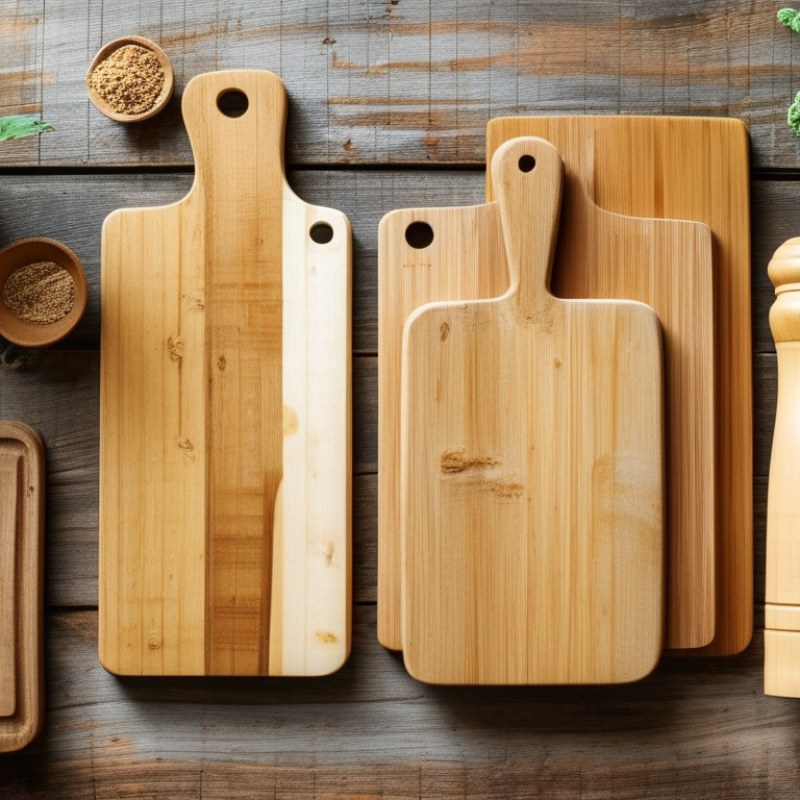
When selecting eco-friendly cutting boards, it’s essential to understand the materials.
Bamboo is a popular choice. It grows quickly and requires less water than traditional wood.
This makes bamboo a sustainable and durable option. Many chefs appreciate its resistance to knife scars, which helps maintain hygiene.
Another material to consider is recycled plastic. Some boards are made from post-consumer waste.
This process reduces landfill waste and promotes recycling culture. However, not all recycled plastics are created equal.
Look for boards that are free from harmful chemicals like BPA.
Wood is a classic yet environmentally friendly option when sourced responsibly. Hardwoods like maple or walnut are both durable and renewable.
However, not all wood is sustainably harvested. Checking for certifications can guide your selection.
Remember, even eco-friendly boards can absorb odors and stains. Proper care is vital.
Regular oiling can prolong their life and keep them functional.
When selecting eco-friendly cutting boards, understanding sustainability certifications is vital. Various certifications assess environmental impact. Some common ones are FSC (Forest Stewardship Council) and EcoCert. These labels signify that products adhere to strict criteria regarding sustainable sourcing and production.
According to a 2022 report by the Sustainable Materials Management program, nearly 82 million tons of wood were used in the furniture sector. Ensuring your cutting board meets recognized standards reduces deforestation and promotes healthier ecosystems. However, not all certifications are equal. Some may rely on self-assessment, which raises concerns about transparency.
Consumer awareness also plays a key role. A study found that 64% of consumers consider sustainability when purchasing kitchenware. However, many remain unaware of what certifications truly mean. Striking a balance between aesthetics and ethics can be challenging. Some boards are visually appealing but lack substantial certifications. It’s essential to research the origins of materials and the manufacturer’s practices.
| Cutting Board Material | Sustainability Certification | Durability Rating (Years) | Biodegradable | Price Range (USD) |
|---|---|---|---|---|
| Bamboo | FSC Certified | 5-7 | Yes | $15 - $30 |
| Recycled Plastic | Recycled Content Certification | 7-10 | No | $10 - $25 |
| Hardwood | FSC Certified | 10-20 | Yes | $30 - $70 |
| Glass | None | 10+ | Yes | $20 - $45 |
| Composite Materials | Greenguard Certified | 5-10 | Yes | $25 - $50 |
When choosing an eco-friendly cutting board, understanding the lifespan and durability of various materials is crucial.
Bamboo is a popular choice. It's sustainable and resistant to moisture. However, frequent cuts can cause scratches, promoting bacterial growth. This requires more careful maintenance than other materials.
Wooden boards, like maple or walnut, offer durability. They develop a patina over time, which can enhance aesthetics. They tend to last longer, often up to a decade with proper care. Yet, they need regular oiling to prevent cracking. Bacterial buildup can occur if not cleaned well.
Plastic boards are lightweight and affordable. They are dishwasher safe, which enhances sanitation. However, they can warp over time and may not last as long as wood. Environmental concerns arise as they are less biodegradable. Reflecting on the balance of practicality and sustainability will guide your choice in the right cutting board for your kitchen.
When considering eco-friendly cutting boards, bamboo, wood, and plastic are the main options. Bamboo boards are often hailed for their sustainability. Bamboo grows quickly and doesn’t require pesticides. However, they can become prone to scratching, affecting longevity. Over time, scratches can harbor bacteria, raising hygiene concerns.
Wood cutting boards, particularly those made from responsibly sourced hardwoods, offer durability and a classic appeal. They are biodegradable and can last years with proper care. Yet, wooden boards may demand more maintenance. Frequent oiling is necessary to prevent warping and split. This extra care may not suit everyone's kitchen habits.
Plastic cutting boards are practical and convenient. They are usually dishwasher-safe and resistant to knife marks. This makes them easier to sanitize. However, many plastic boards are not recycled after disposal. This raises questions about their long-term environmental impact. Their lifespan can be shorter than wood or bamboo, leading to increased waste. Overall, understanding the trade-offs in sustainability will guide your choice effectively.
Maintaining eco-friendly cutting boards requires attention and care. These boards are typically made from sustainable materials like bamboo, wood, or recycled plastic. Regular maintenance ensures their longevity and hygiene.
To keep your cutting board in good shape, clean it after each use. Simply wash it with warm water and mild soap. Avoid soaking the board, as excess moisture can warp the material. Dry it immediately with a clean cloth to prevent bacteria growth.
Oiling your wooden boards is essential. Use food-safe mineral oil or beeswax to nourish the wood. This practice not only enhances the appearance but also creates a barrier against moisture. A well-oiled board can be a beautiful and functional piece in your kitchen.
Finally, be mindful of deep cuts and scratches. These imperfections can trap bacteria. If your board has deep knife marks, consider sanding it down gently to restore its surface. Regular inspections help you identify these issues early. Care for your eco-friendly cutting board, and it will serve you well in your cooking adventures.
: Eco-friendly materials include bamboo, recycled plastic, and responsibly sourced wood.
Bamboo grows quickly, needs less water, and resists knife scars well, making it sustainable and durable.
Recycled plastic boards reduce landfill waste and promote recycling. Look for boards without harmful chemicals.
Hardwoods like maple and walnut are eco-friendly when sourced responsibly. Check for sustainability certifications.
Common certifications include FSC and EcoCert. These labels ensure adherence to sustainable sourcing and production criteria.
Certifications reduce deforestation risks and support healthier ecosystems. Some certifications may lack transparency, so caution is needed.
Yes, even eco-friendly boards can absorb odors and stains. Regular care is essential to prolong their life.
Many consumers seek sustainable options but may not understand certifications. Researching is key for informed decisions.
Yes, some attractive boards may lack substantial certifications. Researching materials and practices is crucial.
Regular oiling and proper maintenance can prevent odors and prolong the life of eco-friendly cutting boards.
When considering how to choose eco-friendly cutting boards for your kitchen, it's essential to understand the materials used in their construction. Options like bamboo, wood, and recycled plastic each offer unique benefits and drawbacks in terms of sustainability and environmental impact. Evaluating sustainability certifications can further guide your choice, ensuring that your cutting board meets stringent ecological standards.
Additionally, comparing the lifespan and durability of different cutting board materials helps consumers make informed decisions that benefit both their cooking experience and the planet. Regular maintenance and care practices are crucial for prolonging the life of eco-friendly cutting boards, contributing to a more sustainable kitchen environment. By following these guidelines, you can confidently select cutting boards that align with your values and support a greener lifestyle.

Eco Best Kitchens