How to Choose Safer Knives for Home Cooking Safety?

Time:2026-07-10 Author:Mason
0%

Choosing the right knives for home cooking is crucial for safety. With the right tools, cooking becomes a joy rather than a hazard. However, many home cooks overlook essential features in their knife selection. A key question arises: what features make knives safer for home cooks?

Safety should be prioritized in every kitchen. A knife should feel comfortable in hand and provide better control. Features such as a non-slip handle can significantly reduce the risk of accidents. Additionally, blade design can contribute to safer chopping and slicing. Knives with a wider blade may prevent fingers from slipping onto the cutting edge.

Let’s not forget about maintenance. A dull knife requires excessive force, increasing the chance of slips. Regular sharpening is essential, yet many neglect this practice. Understanding the features that enhance safety can transform the cooking experience, making it both efficient and enjoyable.
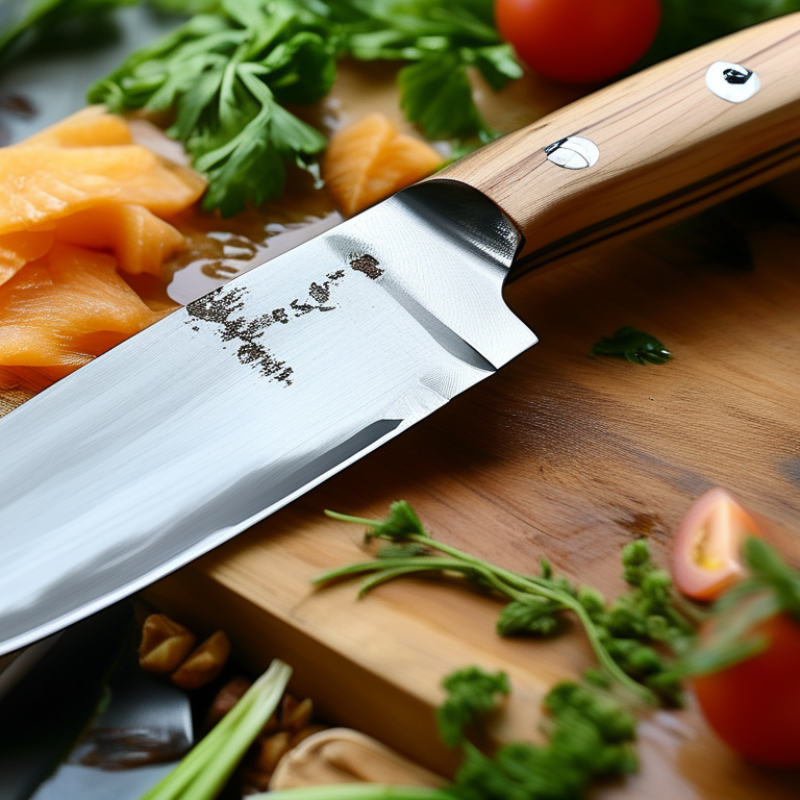
How to Choose Safer Knives for Home Cooking Safety?

Understanding Knife Types and Their Uses in Home Cooking

Choosing the right knife is crucial for safe home cooking. Various types serve different purposes. A chef’s knife is versatile and excellent for slicing, dicing, and chopping. Its long, broad blade allows for efficient movements, making meal prep quicker. Paring knives, with their small blades, excel in precision tasks like peeling and trimming. Having a variety enhances safety by allowing you to use the correct tool for each job.

Consider also the materials. Stainless steel knives resist rust and are easy to maintain. However, they can dull quickly. A high-carbon option holds its edge longer but requires more upkeep. Each type brings benefits and drawbacks. It’s essential to reflect on your cooking habits and the tasks you do most often. Are you comfortable maintaining your tools? Assessing your skills is vital in selecting the right knives.

Investing in a good-quality knife sharpener is equally important. Sharp knives are safer; they require less force, reducing the chance of slips. Blunt knives can lead to accidents. Proper cutting techniques can further enhance safety and efficiency. Do not rush. Take time to practice these skills. Evaluate your approach, and remember, even experienced chefs can misuse knives. Reflect on your actions for continuous improvement.

Evaluating Knife Safety Features and Design

When evaluating knife safety features and design, there are several aspects to consider. A knife with a well-designed handle can greatly enhance safety. Look for ergonomic shapes that fit comfortably in your hand. This prevents slipping during use. A non-slip grip is essential, especially when your hands are wet. Additionally, consider the weight of the knife. A balanced knife can provide better control, reducing the likelihood of accidents.

Blade design also plays a crucial role in safety. Knives with rounded tips can minimize the risk of accidental punctures. Furthermore, a blade with a proper length helps maintain a safe distance from your hand while cutting. The material of the blade matters too. Stainless steel is durable and easy to maintain, but it should also have a good grip on food to prevent sliding.

Reflecting on your knife collection may reveal mismatches in safety features. Some knives may feel great but lack the necessary safety elements. Regularly assess your knives for any signs of wear or damage. A dull blade can lead to injuries as users apply more force. Investing time to understand the features of each knife can help ensure a safer cooking environment.

Choosing the Right Knife Material for Durability and Safety

Choosing the right knife material is crucial for cooking safety. Stainless steel knives are popular due to their durability and resistance to corrosion. According to a report by the American Knife Manufacturer’s Association, stainless steel options account for over 70% of the knife market. They maintain sharpness well and are easy to clean, reducing the risk of foodborne illnesses.

Ceramic knives are another option, known for their sharpness and lightweight nature. However, they can chip easily and require careful handling. Studies indicate that while ceramic knives hold their edge longer, they lack the overall resilience of steel. Many chefs report that the right balance between sharpness and durability is an ongoing quest.

Tip: Always examine the knife's edge. A well-maintained edge reduces slip hazards.

Safety also depends on proper knife handling. Improperly maintained knives can cause accidents. Regularly honing and sharpening your knives ensures they perform optimally. A dull blade can slip while cutting, leading to injuries. Consider a knife with a textured handle for better grip, especially when wet.

Tip: Clean and dry knives immediately after use to prevent damage and maintain hygiene.

Importance of Proper Knife Storage and Maintenance

Proper knife storage and maintenance are critical for ensuring safety in home cooking. According to the American Knife and Tool Institute, improper knife storage can lead to accidents and injuries. A staggering 46% of knife-related injuries occur due to knives being stored loosely in drawers. This presents a clear case for utilizing knife blocks, magnetic strips, or sheaths to minimize risks.

Regular maintenance of your kitchen knives is equally important. A well-maintained knife not only performs better but is also safer to use. Studies suggest that dull knives are more likely to slip and cause injuries. In fact, the Culinary Institute of America found that a properly sharpened knife reduces the risk of injury by 30%. Regular honing and occasional professional sharpening can extend the life of your knives while enhancing safety during use.

Even with safety measures in place, vigilance remains crucial. A clean and organized kitchen space greatly contributes to safety. Nevertheless, many chefs overlook the importance of cleaning their knives immediately after use. Bacteria can grow on blades left unwashed. Hence, it’s important to cultivate a habit of immediate cleaning and drying. This simple practice can prevent slips and potential contamination.

Tips for Safe Cutting Techniques in the Kitchen

Cutting techniques play a vital role in kitchen safety. Proper techniques not only enhance efficiency but also minimize the risk of accidents. A sharp knife is essential. A dull knife requires more force, raising the chances of slipping. Always use a cutting board and ensure it’s stable. This prevents it from sliding, which can lead to injuries.

When slicing ingredients, use a pinch grip to hold the food securely. Your non-dominant hand should guide the item. Curl your fingers inward to avoid accidental cuts. Keep the knife’s blade angled downwards while cutting. This reduces the risk of slipping. Remember to avoid distractions. Multitasking can lead to mistakes, such as a misplaced cut.

Practice mindfulness while cooking. A moment of inattention can have consequences. Consider your workspace. Keep it organized and free of clutter. This reduces the likelihood of accidents. Reflect on your habits. Are there areas where you can improve safety? Each small change can make a significant difference in preventing injuries in the kitchen.

FAQS

: What should I look for in a knife handle for safety?

: Choose ergonomic shapes that fit your hand. This prevents slipping during use.

How does blade design impact knife safety?

Knives with rounded tips reduce the risk of accidental punctures. Proper blade length helps maintain distance from your hand.

Why is knife material important for safety?

Stainless steel is durable and easy to clean. Ceramic knives are sharp but can chip and may require careful handling.

What role does knife maintenance play in safety?

Dull knives can slip and lead to injuries. Regular honing and sharpening keep knives performing well.

How should knives be stored to enhance safety?

Use knife blocks, magnetic strips, or sheaths. Avoid storing knives loosely in drawers to reduce risks of injuries.

What is the importance of cleaning knives immediately after use?

Cleaning prevents bacteria growth and potential contamination. A clean knife also enhances safety and reduces slip hazards.

How often should I assess my knives for safety features?

Regular assessments can reveal mismatches in safety. Check for signs of wear or damage to ensure safety.

Why might I need to reflect on my knife collection?

Some knives may feel good but lack safety features. Understanding each knife's qualities is essential for a safe cooking environment.

Conclusion

When choosing knives for home cooking safety, it is crucial to understand the various types and their specific uses. Each knife can serve different culinary purposes, but evaluating what features make knives safer for home cooks is essential. Important safety features may include ergonomic handles, blade guards, and slip-resistant designs that help reduce accidents in the kitchen.

Additionally, selecting the right knife material is vital for ensuring durability and safety. High-quality materials can enhance the longevity of the knife while reducing the risk of chipping or breaking. Proper storage and maintenance, such as using knife blocks or magnetic strips, further promote safety by preventing accidental cuts. Lastly, adopting safe cutting techniques can significantly reduce the likelihood of injury, making it imperative for home cooks to prioritize these considerations in their kitchen practices.

Mason

Mason

Mason is a seasoned marketing professional with a deep expertise in the company's offerings and a passion for driving brand awareness. With a strong background in digital marketing strategies, he has an innate ability to connect with diverse audiences and effectively communicate product benefits.......