Choosing the right cutting board is essential for any kitchen, whether you're a novice cook or a seasoned chef. The question remains, how to choose the best cutting board for your kitchen? With various materials available, such as wood, plastic, and bamboo, it can be overwhelming. Each option has its own advantages and disadvantages, impacting both your food preparation and maintenance.
Consider how a cutting board affects your knives and food safety. A softer surface, like wood, is gentle on blades but requires more care. On the other hand, plastic boards are easier to clean but can dull knives quicker. Think about your cooking habits; if you prepare raw meats and vegetables, you might need different boards. The experience of many cooks shows that having multiple boards can enhance your food prep.
Reflect on the board's size and weight as well. A board that's too small can limit your workspace, while an overly heavy one may be difficult to handle. The best choice balances functionality and practicality, ensuring it fits your kitchen needs seamlessly. Exploring all aspects will lead to a more informed decision, making your kitchen experience more enjoyable.
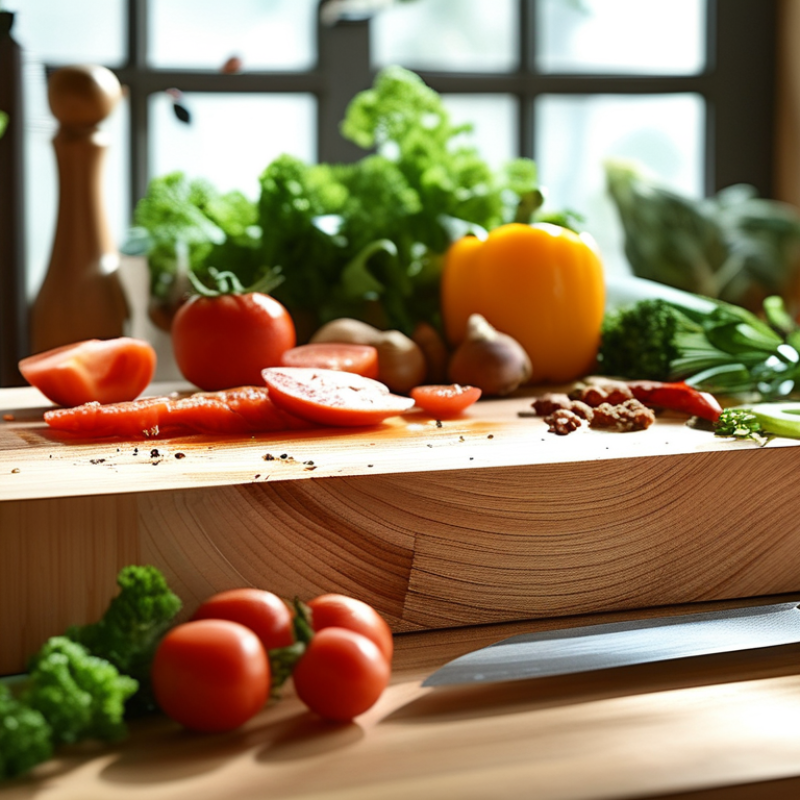
Understanding the Different Materials Used in Cutting Boards
When selecting a cutting board, understanding the material is crucial for your kitchen.
Wood, plastic, bamboo, and glass are common materials, each with unique properties. Wood boards, particularly those made from maple or walnut, are favored for their durability and aesthetic appeal. A study published by the USDA found that wooden boards may have natural antimicrobial properties, making them safer than plastic.
Plastic boards, often preferred for their easy maintenance, can be cleaned thoroughly in a dishwasher. However, they often show knife marks, which can harbor bacteria over time. The American Journal of Infection Control reported that plastic boards accumulated more bacteria than wood if not properly maintained. Therefore, you must balance convenience with hygiene.
Tip: Always choose boards that are easy to clean and maintain. Natural oils can extend the life of wood boards, while color-coded plastic boards can help prevent cross-contamination in meal prep. Consider factors like your cooking style and kitchen space when making your choice. Reflect on your habits—are you willing to care for wood boards, or would you prefer the simplicity of plastic?
Assessing Durability and Maintenance for Long-Term Use
When choosing a cutting board, durability and maintenance are crucial. A well-built cutting board can serve for years, impacting your kitchen experience significantly. Experts recommend materials like bamboo and high-density polyethylene for their excellent durability. According to a study by the Food and Drug Administration (FDA), wooden boards hold bacteria at bay better than plastic when maintained properly. Regular oiling and cleaning are vital for preserving the board's lifespan.
The maintenance of your cutting board often dictates its longevity. Frequent washing and exposure to moisture can warp materials like wood. Plastic boards, while easy to clean, can dull knives more quickly. A survey conducted by culinary professionals indicates that 70% prefer wood for its aesthetic and functional benefits, yet only 40% understand how to care for it properly. Not all cutting boards are created equal; understanding the maintenance needs can be the difference between a short-lived investment and a long-term kitchen staple. It’s essential to reflect on how you use your board. Regular wear may create grooves that foster bacteria over time, highlighting the importance of choosing the right material and committing to care routines.
Evaluating Size and Thickness for Your Cooking Style
Choosing the right cutting board involves careful consideration of size and thickness. A larger board offers ample space for chopping vegetables or meats. For home cooks who often prepare meals for families, a board measuring 18 by 24 inches can be ideal. It allows you to cut multiple ingredients simultaneously, speeding up the cooking process. However, if your kitchen is small, a more compact size, like 12 by 18 inches, might suit you better.
Thickness also plays a crucial role. A thicker board generally provides more durability. It withstands heavy cuts and resists warping over time. Nevertheless, an overly thick board can be cumbersome to handle and difficult to store. Achieving a balance is essential. A three-quarter inch thickness is often well-received, but experimentation is key. You may find that you prefer a thinner board for lighter tasks, like slicing bread.
Ultimately, choosing a cutting board is a personal journey. It reflects your cooking style and preferences. Don't be afraid to switch between sizes and thicknesses based on your needs. The perfect board is one that meets your cooking habits while being easy to manage in your unique kitchen space.
Analyzing Safety Features and Hygiene Standards in Cutting Boards
When selecting a cutting board, safety features and hygiene are crucial considerations. A study published in the Journal of Food Protection found that wooden cutting boards harbor fewer bacteria than plastic boards. However, the key is proper maintenance. Wood must be correctly cleaned and oiled regularly. This practice prevents cracking, making it less likely for bacteria to thrive.
Plastic boards come with their own concerns. A survey by the USDA revealed that 30% of plastic cutting boards had visible wear, increasing the risk of bacterial contamination. Choose high-quality plastics that comply with food safety standards. Look for boards that are dishwasher-safe to ensure thorough cleaning. Regular replacement is necessary when wear becomes evident.
Another aspect to consider is the board's surface texture. Smooth surfaces are easier to clean but may not offer enough traction for knives. Textured boards can hold food better but might trap particles in grooves. Each type has its pros and cons. Personal habits play a role as well. Are you diligent about sanitizing after every use? Reflecting on your habits will guide you toward the best choice for your kitchen needs.
How to Choose the Best Cutting Board for Your Kitchen Needs?
| Material |
Durability |
Hygiene |
Safety Features |
Maintenance |
| Bamboo |
High |
Good |
Non-slip surface |
Low, hand wash recommended |
| Plastic |
Medium |
Excellent |
Dishwasher safe |
Easy, dishwasher safe |
| Wood (Hardwood) |
Very High |
Good |
Self-healing properties |
Moderate, oiling required |
| Glass |
High |
Poor |
Non-porous surface |
Easy, dishwasher safe |
| Composite |
High |
Excellent |
Non-slip, knife friendly |
Easy, hand wash recommended |
Comparing Cost and Quality: Finding Value for Your Budget
Choosing a cutting board can feel overwhelming, especially with so many options available. When considering cost and quality, it's important to strike a balance. A low-priced board may save money upfront, but could wear out quickly. High-quality boards often last longer, saving you money in the long term.
Different materials, like wood and plastic, come with their unique pros and cons.
Wooden boards are generally more durable and gentle on knives. However, they require more maintenance, which can be a hassle for some. Plastic boards are easier to clean but can develop deep knife grooves over time. These grooves can harbor bacteria, raising hygiene concerns.
Investing in a cutting board is more than just a kitchen choice; it's about enhancing your cooking experience. Are you often chopping herbs and veggies? A larger board gives you ample space to work. But, if you have limited storage, a smaller, versatile board may suit you better. Take time to reflect on what you truly need in your kitchen, and choose accordingly. Remember, the best value is not always the least expensive option.
FAQS
: Bamboo and high-density polyethylene are highly durable options for cutting boards.
Regular oiling and proper cleaning techniques help preserve the lifespan of a wooden board.
Many find wood to be more aesthetically pleasing and functional, despite needing proper care.
An 18 by 24 inches board is ideal for cooking for families, but smaller spaces may need 12 by 18 inches.
Thicker boards are more durable, but overly thick ones can be heavy and hard to store.
Yes, balancing cost and quality is key; cheaper boards may require more frequent replacements.
Frequent washing is necessary, but avoid exposing wooden boards too much to moisture.
Yes, grooves from knife cuts can trap bacteria, especially on plastic boards.
A three-quarter inch thickness is generally favored for a balance of durability and manageability.
No, it's essential to reflect on both quality and personal cooking needs for better long-term value.
Conclusion
When considering how to choose the best cutting board for your kitchen, it's essential to understand the various materials available, such as wood, plastic, and bamboo, each with its unique benefits and drawbacks. Assessing durability and maintenance needs is crucial for long-term use, as some materials require more care than others.
Another important aspect includes evaluating the size and thickness of the cutting board to suit your cooking style, ensuring it complements the types of food preparation you typically engage in. Additionally, safety features and hygiene standards should be analyzed to guarantee food safety during meal prep. Lastly, comparing cost and quality will help you find the best value for your budget, allowing you to make an informed decision when selecting the perfect cutting board for your kitchen needs.

 Eco Best Kitchens