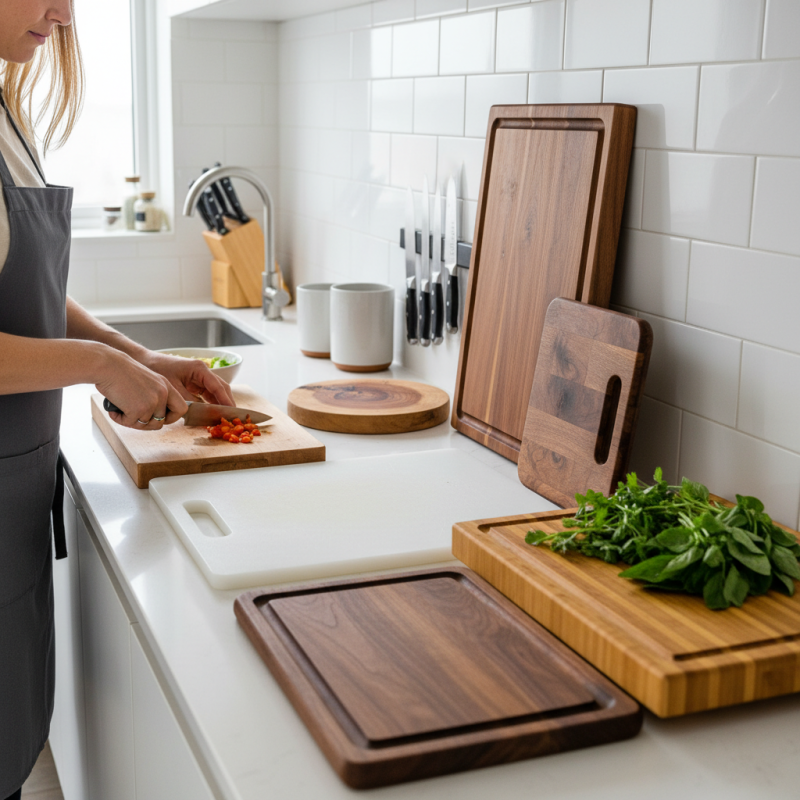
Choosing the right cutting board can significantly impact your cooking experience. According to culinary expert Chef Lisa Anderson, “The right board can elevate your kitchen skills.” With so many options available, knowing how to choose the best cutting board for your kitchen is crucial.
Consider materials like wood, plastic, and bamboo. Each has its benefits and drawbacks. Wooden boards are durable and gentle on knives, but may require more maintenance. In contrast, plastic boards are easy to clean and often dishwasher-safe. However, they may wear out faster.
Additionally, size and thickness matter. A larger board provides ample space for food prep, but it must fit your kitchen's design. It can be overwhelming to navigate these choices. Reflecting on your cooking habits can guide you toward the best selection. Remember, the cutting board you choose will shape your kitchen experience for years to come.
Understanding Different Types of Cutting Boards: Materials and Uses
When choosing a cutting board, material matters.
Bamboo boards are lightweight and naturally antibacterial. They offer durability but can dull knives over time.
Wood boards are classic and beautiful, ideal for chopping. They are gentle on knives but require oiling to maintain.
Plastic boards, on the other hand, are easy to sanitize. However, they may develop deep scratches that harbor bacteria.
Consider size and weight too. A small board is handy for quick tasks. A larger board provides ample space for bigger meals.
Glass boards are sleek and easy to clean but can crack. It’s important to think about your cooking habits.
Do you chop vegetables daily? A sturdy wood or bamboo board is better. If you host often, a large plastic board may serve you well.
Evaluate how each material affects your cooking experience. Some people prefer the aesthetic appeal of wood but struggle with maintenance.
Others love the convenience of plastic but miss the warmth of natural materials. Think about what fits your lifestyle best.
The decision should reflect your needs and kitchen dynamics.
Factors to Consider When Choosing a Cutting Board Size and Thickness
When choosing a cutting board, size and thickness matter greatly. The dimensions can influence how comfortable you are while cutting. A large board provides ample space but can take up counter space. A smaller board is easier to store but may feel cramped during use. Consider your kitchen layout and how much room you dedicate to food prep.
Thickness comes into play too. A thicker board offers durability, resisting warping and cracking. However, it can be heavy and cumbersome. Lighter boards are handy but may not hold up well over time. Balance convenience with longevity.
Tips: Opt for a board that fits your cooking style. If you chop large vegetables, prefer a bigger size. For simple tasks, a smaller board works well. Keep in mind that not all boards are created equal. Some may stain easily or retain odors. It's essential to reflect on how each type aligns with your habits. Choose wisely!
Maintenance Tips for Longevity of Your Cutting Board
Maintaining your cutting board is essential for its longevity. A well-cared-for board can last for years. Regular cleaning is crucial. After each use, wash it with warm, soapy water. Avoid soaking it in water, as this can warp the wood. A quick rinse is usually enough for minor tasks.
Oil treatment is another important step. Apply food-grade mineral oil regularly to keep the board hydrated. This prevents cracking and absorbs any existing stains. Remember that over time, even the best boards get some wear. Don't be alarmed by scratches; they are natural. Sanding the surface lightly can help remove them.
Consider the materials used as well. Some boards absorb stains and odors faster than others. Bamboo is durable but can be tougher to maintain. It’s worth reflecting on your cooking habits to choose the right type. Regular maintenance might sound tedious, but it ensures your board remains a staple in your kitchen.
Safety Features to Look for in a Cutting Board
When selecting a cutting board, safety features are paramount. Look for boards made from non-toxic materials. These will reduce the risk of harmful chemicals leaching into your food. Also, consider boards with antimicrobial properties. This feature helps to prevent the growth of bacteria, making food prep safer.
Another crucial aspect is the board's stability. A slippery board can lead to serious accidents. Opt for cutting boards with rubberized feet or textured surfaces. These provide grip and keep the board securely in place. If you are using a wooden or bamboo board, choose one that is thick enough. A flimsy board can warp and crack, leading to uneven surfaces over time.
Regular maintenance is essential, too. Many people neglect to regularly clean and sanitize their cutting boards. Failing to do so can lead to contamination. A good practice is to wash your cutting board after each use. Additionally, periodically check for deep grooves or cracks. These can harbor bacteria and might require replacing the board altogether. A thorough inspection and care routine can prolong the life of your cutting board while keeping your kitchen safe.
Environmental Considerations: Eco-Friendly Cutting Board Options
Choosing an eco-friendly cutting board is important for a sustainable kitchen. Many options exist. Bamboo boards are popular because they grow quickly. They are durable and biodegradable. Bamboo also has natural anti-bacterial properties, which help keep your food safe.
Wood cutting boards made from reclaimed or sustainably sourced wood are other choices. These boards not only look beautiful but are also kind to the planet. However, they do require regular oiling to maintain their condition. Without care, they can crack or warp. This is a drawback that deserves attention.
Plastic cutting boards can be recycled, but they often end up in landfills. They take a long time to decompose. This raises concerns about long-term environmental impact. Consider your habits and how you maintain these boards. Every choice counts in the search for sustainability.
Eco-Friendly Cutting Board Options in 2026
FAQS
: Larger boards offer more space but occupy more counter area. Smaller ones save space but may feel cramped.
Thicker boards are durable and resist warping, but they can be heavy. Lighter boards are convenient but may wear out faster.
Not all boards are equal. Some may stain or retain odors. Choose based on your cooking habits.
Clean it with warm, soapy water after each use. Avoid soaking it to prevent warping. A quick rinse suffices for minor tasks.
Regular oiling keeps the board hydrated, prevents cracking, and helps absorb stains.
Scratches are normal over time. Lightly sanding the surface can help smooth them out.
Yes, some materials absorb stains and odors differently. Reflect on how you cook to choose wisely.
Regular maintenance is crucial. Even minimal upkeep helps extend the life of your cutting board.
Minor wear is natural. However, neglecting maintenance may shorten its lifespan.
Avoid soaking it in water. If warped, try to rehydrate it with oil, but some warping is irreversible.
Conclusion
When considering how to choose the best cutting board for your kitchen, it's essential to understand the different types of materials available, such as wood, bamboo, plastic, and glass, each offering unique advantages and uses. Factors like size and thickness are crucial for functionality, ensuring the board suits your slicing and dicing needs. Additionally, proper maintenance, including regular cleaning and oiling, contributes to the longevity of your cutting board.
Safety features, such as non-slip surfaces and durability against knife marks, are also important considerations. Increasingly, environmentally conscious options like sustainably sourced materials can influence your decision, making eco-friendly cutting boards a viable choice for those prioritizing sustainability. By evaluating these aspects, you can confidently select the best cutting board that fits your kitchen requirements.

 Eco Best Kitchens