Choosing the right knife set can be daunting for beginners. It’s essential to know how to select knife sets for beginners that truly meet your needs. A good knife set should balance quality, variety, and usability. High-quality knives can enhance your cooking experience, making food preparation enjoyable.
When considering how to select knife sets for beginners, focus on essential types of knives. A chef’s knife, paring knife, and serrated knife are often crucial. Beginners may find themselves overwhelmed by options. Not all brands guarantee reliability, which can be disappointing.
Some sets feature beautiful aesthetics but lack functional efficiency. Consider user reviews and expert opinions to build trust and make informed choices. Investing in a good knife set is valuable, as it becomes a fundamental part of your kitchen. Remember, craftsmanship and ergonomics matter too. A poor fit can lead to fatigue and frustration during cooking. Prioritize comfort alongside functionality as you navigate your selection process.
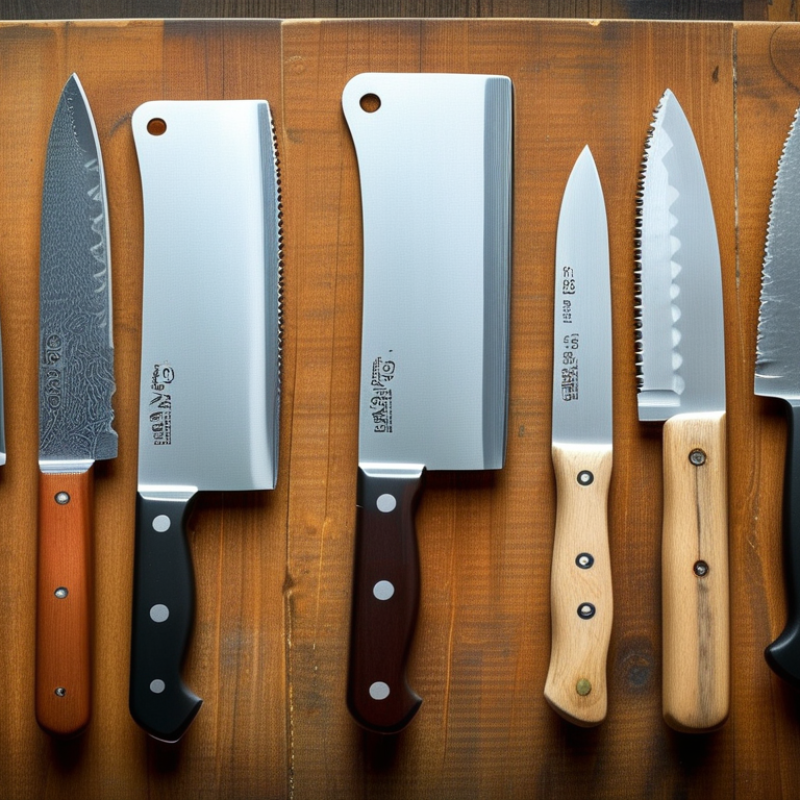
Factors to Consider When Choosing a Knife Set for Beginners
Choosing a knife set as a beginner can be daunting. One important factor is the type of knives included. A basic set should contain a chef's knife, paring knife, and serrated knife. These are essential tools in any kitchen. According to a survey by the Culinary Institute of America, nearly 70% of home cooks prefer a set that covers basic needs.
Another key element is material. Stainless steel blades are popular due to their durability. They can withstand regular use without rusting. A report from Food & Wine states that high-carbon stainless steel provides both sharpness and strength. This combination is ideal for beginners who want longevity in their knives. Handling and weight also matter. Heavier knives can provide stability, while lighter ones offer maneuverability. Finding the right balance depends on personal comfort.
Lastly, consider the price. A decent knife set for beginners often ranges from $50 to $150. Investing a bit more can lead to better quality. Many entry-level cooks underestimate the importance of budget. However, a well-chosen set can enhance cooking skills significantly. Taking the time to research options will yield better results in the kitchen. Using feedback from experienced chefs can also guide your selection process.
Types of Knives Essential for Every Beginner's Kitchen
When starting in the kitchen, having the right tools is crucial. A basic knife set should include several essential types of knives. Each serves a unique purpose, making food preparation smoother and more efficient. The chef's knife is often the star. It's versatile and can handle slicing, dicing, and chopping with ease. A good chef's knife feels balanced in hand. It should also be sharp enough to make clean cuts, reducing prep time.
A paring knife is another fundamental tool. Its small size makes it perfect for intricate tasks like peeling fruits or deveining shrimp. On the other hand, a serrated knife helps with items that have a tough exterior, like bread or tomatoes. This knife gently saws through without crushing, preserving the texture. Each knife plays a role, and knowing how to use them correctly is vital.
Beginners might overlook the importance of a utility knife. This mid-sized knife bridges the gap between a chef's knife and a paring knife. It’s often used for a variety of cutting tasks. However, choosing the wrong set can lead to frustration. Not all knives feel comfortable to use. It's worth testing different knives before committing to a set. Finding the right fit may take time and practice.
Materials and Construction of Knife Blades Explained
When selecting knife sets for beginners, the material and construction of knife blades are critical factors. Common blade materials include stainless steel, carbon steel, and high-carbon stainless steel. Each material has its strengths and weaknesses. Stainless steel is rust-resistant but may dull faster. Carbon steel is sharper and easier to sharpen, yet it requires maintenance to prevent rust. High-carbon stainless steel combines the best of both worlds but can be pricier.
According to industry reports, proper blade construction significantly impacts longevity and performance. Forged blades are created from a single piece of steel. This method yields a stronger and more durable knife, often preferred by professionals. Stamped blades, on the other hand, are cut from sheets of steel, leading to a lighter but less robust product. The choice between forged and stamped blades depends on personal preference and budget.
Additionally, the blade's edge can vary. A straight edge is excellent for precision cuts, while a serrated edge excels in slicing and sawing. Beginners might find it useful to have a combination of both types. However, understanding these nuances can be daunting. Many new cooks may not realize that a good knife requires regular honing and proper storage to maintain its performance. Therefore, potential buyers should invest time in learning about care practices to ensure longevity in their selection.
Understanding the Importance of Knife Handles and Comfort
When choosing a knife set for beginners, the handle should not be overlooked. A comfortable handle can make a significant difference during food preparation. You often hold the knife for extended periods. A well-designed handle reduces fatigue and enhances control. Look for materials that provide both comfort and grip. Wooden handles offer warmth but may require extra care. Plastic or rubber options are easy to maintain.
Another essential aspect is the knife's balance. A balanced knife feels lighter in your hand. It allows for smoother movements. Testing the knife before purchase can help you find the right fit. It’s also crucial to consider your individual hand size. A handle that is too thick or thin can affect your grip. You might feel strains in your wrist if the knife doesn’t match your hand.
Don’t forget about maintenance. Regular care for your knife handles is vital. A dirty handle can lead to slips and cuts. Cleaning methods vary depending on the material. Regularly assess your knives for wear. Over time, a comfortable handle can become less so if not properly maintained. Prioritize your comfort level, and remember that the perfect knife is one that feels right in your hand.
Budgeting for Your First Knife Set: What to Expect
When budgeting for your first knife set, it’s essential to understand what to expect. A quality knife set can range widely in price. For beginners, a budget of $100 to $300 is reasonable. You don’t need to spend a fortune to get decent knives. Look for sets that offer essential knives like a chef's knife, paring knife, and serrated knife.
Consider the materials as well. Stainless steel is common but varies in quality. High-carbon stainless steel provides durability. Pay attention to the knife's handle too. Comfortable grips ensure better control, especially for new users. Think about how the knives will be stored. A block set might seem convenient, but it can take up space.
You may feel tempted by flashy designs or branding. Aesthetic appeal is attractive but not always practical. It's also wise to reflect on knife maintenance costs. Sharp knives need good honing and occasional professional sharpening. Investing time in care will make your set last longer, ultimately saving you money.
FAQS
: A basic set should include a chef's knife, paring knife, and serrated knife. Each serves a specific purpose.
Stainless steel blades offer good durability and resist rust. High-carbon stainless steel combines sharpness with strength.
Heavier knives provide stability while lighter ones allow maneuverability. Balance is key to personal comfort.
Knife sets for beginners typically range from $50 to $150. Higher investment can lead to better quality.
A well-chosen set can improve efficiency and comfort in the kitchen. Feedback from experienced cooks can help.
Consider the types of knives, material, weight, and budget. Testing knives before buying can prevent frustration.
A utility knife is versatile and used for various cutting tasks, bridging gaps between different knife types.
The chef's knife is the most versatile tool, perfect for slicing, dicing, and chopping. Balance and sharpness matter.
Many beginners prioritize cheaper options but may regret it later. Investing in quality can enhance the cooking experience.
Conclusion
When learning how to select knife sets for beginners, it is essential to consider several key factors. Start by understanding the types of knives that are essential for a beginner's kitchen, such as chef's knives, paring knives, and serrated knives. The material and construction of the knife blades significantly impact performance and durability, so choose sets made from quality materials. Additionally, don't overlook the importance of knife handles and comfort, as a good grip can make a significant difference in the user's experience.
Budgeting is also crucial when selecting your first knife set. Knowing what to expect in terms of price can help you find a balance between quality and affordability. Overall, a thoughtful approach to choosing your first knife set will enhance your cooking experience and set the foundation for your culinary adventures.

 Eco Best Kitchens