In modern kitchens, the balance between aesthetics and functionality is crucial. Home cooks and professional chefs alike face the challenge of choosing tools that not only perform well but also enhance the kitchen's visual appeal. Understanding how to combine style and function in kitchen tools can elevate cooking experiences.
Imagine a beautifully designed spatula that feels comfortable in your hand. It can turn pancakes without damaging the surface of your non-stick pan. This harmony in tools reflects a growing trend of thoughtful design. Yet, many still struggle. Some may opt for an attractive knife that lacks proper weight or balance, which can lead to frustration in meal preparation.
Ultimately, it's about finding tools that resonate with your style while meeting your culinary needs. Exploring unique designs without compromising quality can lead to a satisfying kitchen environment. When we prioritize both style and function, we foster creativity and enjoyment in the kitchen.
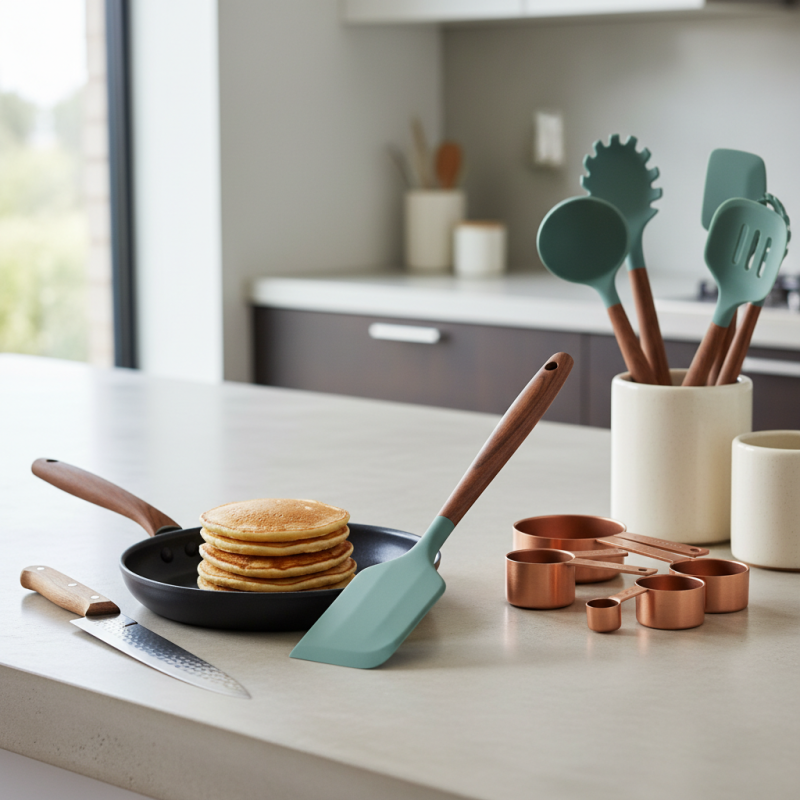
When selecting kitchen tools, style is just as essential as function. The right tools can elevate cooking while reflecting your personal taste. Consider utensils that blend modern aesthetics with practicality.
Sleek stainless steel spatulas or wooden spoons can enhance both the look and feel of your kitchen.
Not all tools need to be fancy; simplicity often speaks volumes. A classic cutting board can showcase your culinary skills, while a colorful mixing bowl can brighten your space. Pay attention to how these tools fit into your kitchen’s theme. If you lean towards rustic decor, opt for vintage-inspired items. If you prefer minimalism, choose streamlined, monochromatic tools.
Remember, it’s okay to have a collection of mismatched utensils. Each piece tells a story and adds character. Reflect on what you truly need versus what is trendy. Functional tools that suit your style can inspire creativity and joy in cooking. Finding this balance may take time and reflection, but the journey can be as rewarding as the meals you create.
Materials play a crucial role in kitchen tools, influencing both aesthetics and functionality. Choosing the right material can enhance the cooking experience. For instance, stainless steel is durable and easy to clean, while wood offers a warm, classic touch. Each material has its pros and cons. A wooden spoon may look beautiful but can absorb odors and stains over time.
Glass is elegant but fragile. It can shatter with a heavy drop. On the other hand, silicone is versatile. It offers flexibility and is heat-resistant. However, not all silicone tools are created equal. Some may not withstand high temperatures well and could release harmful chemicals.
Finding the right balance is essential. It often involves trade-offs. You might prioritize style over function at times. Other moments may call for practicality over appearance. Knowing when to compromise is key. Achieving harmony between these elements leads to better kitchen experiences overall.
In the kitchen, the balance between style and function is crucial. Ergonomics plays a key role here. A tool designed with ergonomic principles ensures comfort during use. It reduces strain on the hands and wrists. For instance, a knife should feel balanced in your hand, allowing for smooth chopping motions. If it’s too heavy or unwieldy, cooking can quickly become a chore.
Visual appeal is equally important. An aesthetically pleasing design draws people in. A well-crafted utensil can enhance the kitchen's overall atmosphere. Think of a wooden spoon with a sleek finish. It not only functions well but also adds warmth to the décor. However, beauty can lead to compromise. Sometimes, tools that look great may not be the best in performance. This contrast often leads to reflection on personal choices in kitchen tools.
Finding that perfect blend requires focus and experimentation. Test various tools to determine what feels right. Pay attention to how each item interacts with your cooking style. Strive for a collection that showcases both comfort and elegance. It is this harmony that makes cooking enjoyable and satisfying.
Incorporating color and texture into kitchen tools enhances both their functionality and visual appeal. A recent industry report notes that 75% of consumers prioritize aesthetics when choosing kitchen tools. Bright hues and interesting textures can transform mundane tasks into a joyful experience. For instance, vibrant utensils can inspire creativity in everyday cooking. A pop of color may even brighten a dull kitchen environment, fostering a more inviting atmosphere.
Selecting the right materials is key to balancing style and function. Wooden utensils, for example, provide a warm, rustic feel while being durable. On the other hand, silicone tools offer flexibility and easy cleaning, appealing to modern preferences. Mixing materials can create a dynamic look. However, it’s essential to ensure that such combinations do not compromise usability.
**Tips:** Choose tools that reflect your personality. A cohesive color palette can create harmony in your kitchen. Don't shy away from unique designs, even if they may not fit conventional standards. Remember, the right mix can inspire reflection on your cooking journey. Explore various textures to add depth to your collection. Strive for a balance that feels authentic to you.
Choosing versatile kitchen tools is crucial for both style and functionality. An effective kitchen combines beauty and practicality. Consider tools that excel in multiple roles. This not only saves space but promotes creativity in your cooking. A well-designed utensil can inspire you. A wooden spoon can stir sauces and double as a serving tool. Yet, sometimes these multifunctional items may not perform optimally in every role. Finding the balance is key.
It's essential to reflect on your specific needs. Evaluate how often you cook and what dishes you prepare regularly. Investing in few high-quality, versatile tools is usually wiser than cluttering your kitchen with single-purpose items. For example, a chic colander not only drains pasta but serves as a striking fruit bowl. Yet, it may not drain as quickly as a standard one. Recognizing these trade-offs helps in making informed choices.
Moreover, consider the materials of your tools. Stainless steel, silicone, and wood each have their advantages and disadvantages. A sleek silicone spatula is flexible and gentle on cookware. However, it might not withstand high heat or tough scrubbing. Aesthetics shouldn't overshadow functionality, and practicality should guide your selections. Balancing style with efficiency can lead to a more enjoyable cooking experience.
: Ergonomics ensures comfort during use. It reduces hand and wrist strain, making cooking enjoyable.
Aesthetic designs attract users. However, beautiful tools may not always perform well, leading to tough choices.
Focus on comfort and design. Experiment with various tools to see what feels right for your cooking style.
Color and texture enhance functionality and appeal. Bright utensils can inspire creativity and improve the kitchen atmosphere.
Choose versatile tools that serve multiple purposes. High-quality items can reduce clutter and enhance creativity in cooking.
Materials like wood and silicone offer unique benefits. Each material has pros and cons affecting performance and aesthetics.
Select tools that reflect your personality. A cohesive color palette and unique designs can enhance your kitchen's charm.
Multifunctional items save space but may compromise performance. Evaluate their effectiveness in each role you expect them to fill.
Recognize that some tools may excel in design but lack functionality. Reflect on what you need most in your cooking journey.
Assess how often you cook and what dishes you prepare. Choose tools that align with these needs, balancing style and practicality.
In the pursuit of designing an aesthetically pleasing and functional kitchen, understanding how to combine style and function in kitchen tools is essential. The process begins with identifying essential tools that not only serve their purpose but also align with personal style preferences. By exploring various materials, one can strike a balance between visual appeal and practicality, ensuring that the design of kitchen tools is both beautiful and durable.
Additionally, ergonomics play a crucial role in enhancing the kitchen experience; comfortable tools can contribute to a more enjoyable cooking process while remaining visually striking. Incorporating color and texture allows individuals to express their personal style, transforming ordinary tools into statement pieces. Lastly, selecting versatile tools enhances functionality without compromising on design, showcasing that style and practicality can harmoniously coexist in the heart of the home.

Eco Best Kitchens