In the culinary world, the appropriate tools can significantly enhance food preparation. Expert chef Julia Child once stated, “The right knife is as essential as the right recipe.” This highlights the importance of understanding why different knives are needed for different foods. Each knife serves a purpose. A chef’s knife, for example, excels at chopping vegetables due to its wide blade. In contrast, a delicate paring knife is perfect for intricate tasks like peeling fruit.
Different textures and densities in various foods demand specific blade designs. For instance, a serrated knife can easily slice through crusty bread without crushing it. In contrast, a boning knife offers precision when navigating around bones and joints. These distinctions underline the necessity of using the correct knife for each ingredient.
Failing to recognize this can lead to inefficiencies in the kitchen. A dull knife used on tough materials can result in frustration and injury. Understanding these nuances is key to becoming a proficient cook. Embracing the right knives for different tasks is not just about convenience; it’s about respecting the ingredients and the art of cooking.
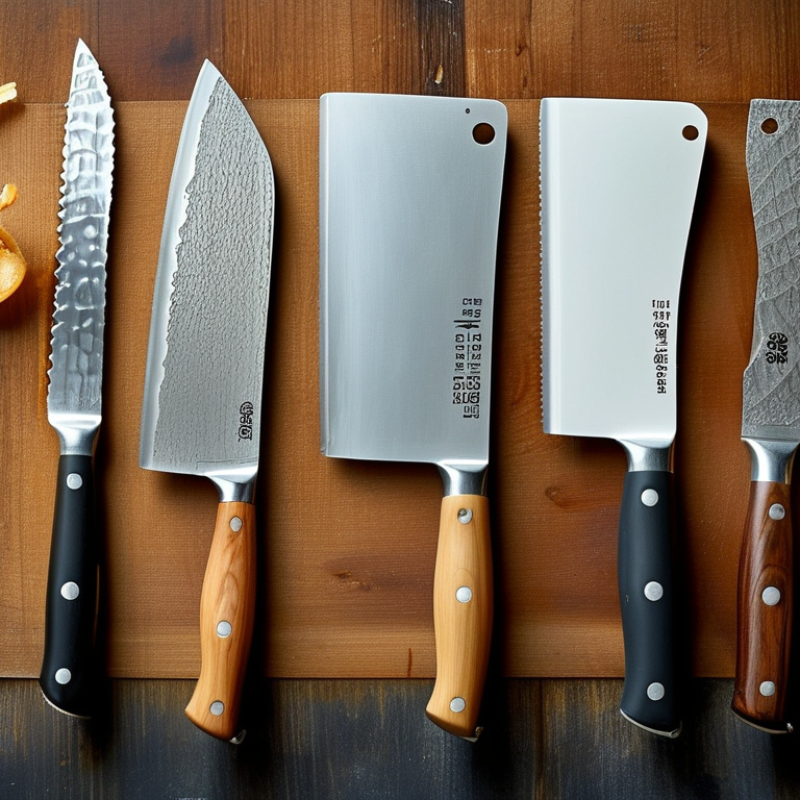
Knives are essential tools in culinary preparation. Different types of knives serve unique purposes. For instance, a chef's knife is ideal for chopping vegetables, while a paring knife excels at intricate tasks like peeling. A 2020 report from the Culinary Institute revealed that chefs cite knife selection as critical for efficiency and food safety (Culinary Institute, 2020). The right knife can significantly improve the quality of food preparation.
Using the wrong knife can hinder your cooking process. A dull knife can lead to uneven cuts and increases the risk of accidents. According to a study by the National Safety Council, 60% of kitchen injuries involve improperly used tools. This emphasizes the need for proper knife skills and selection. The importance of choosing the right knife extends to food taste and presentation. A well-prepared dish starts with precise cuts, which enhance visual appeal.
Chefs often share their experiences on this topic. Personal stories reveal that investment in quality knives leads to better outcomes. Many novice cooks underestimate the impact of tools on their skills. However, ongoing education about knife usage can evolve cooking techniques. Understanding each knife's role increases proficiency and confidence in the kitchen.
When it comes to cooking, the right knife can make all the difference. Each food type has unique characteristics that require specific knife designs. For instance, a chef's knife is perfect for chopping vegetables. Its broad blade allows for an efficient rocking motion. In contrast, a paring knife is tailored for intricate tasks. Peeling fruits or making small cuts becomes effortless with its precise design.
Different knives also impact the texture of the food. A serrated knife excels at slicing bread without crushing it. The pointed teeth grip the crust while gliding through the soft interior. This design is essential for maintaining the bread's structure. However, not all cooks realize the importance of using the right knife for each task. Sometimes, a poorly chosen knife can lead to uneven slices, which affect presentation and cooking times.
Understanding knife design is crucial for anyone in the kitchen. Each knife serves a purpose, from filleting fish to dicing onions. Yet, many home cooks might overlook this. They may use a single knife for everything, leading to frustration. This can compromise food quality. Experimenting with different knives can enhance both the cooking experience and the final dish.
Different types of knives are designed for specific food types to enhance cutting efficiency and safety. This chart illustrates the ideal use rating for various knife types.
When it comes to cooking, the right knife can make a world of difference. Each type of knife is designed for specific tasks, ensuring efficiency and precision. The chef's knife is the most versatile. It excels at chopping, slicing, and dicing a variety of foods. A paring knife, small and agile, is ideal for intricate work like peeling fruits or deveining shrimp. Lastly, a bread knife, with its serrated edge, effortlessly cuts through crusty loaves without squashing the soft interior.
Tip: Keep your knives sharp. Dull blades require more force, posing safety risks. Regularly honing your knives can improve their lifespan and performance.
Specialty knives serve unique purposes. A fillet knife, for instance, is great for preparing fish. Its flexible blade allows precise cuts along the bones. A cleaver, with its heavy blade, tackles tougher tasks like chopping through meat and bones. Each knife contributes to a smoother cooking experience, despite their seemingly simple designs. However, using the wrong knife can lead to frustration and inefficiency in the kitchen.
Tip: Organize your knife block. A cluttered space can lead to accidents. Always store your knives where they are easy to access and out of reach of children.
Choosing the right knife is crucial for food preparation. Different knives serve various purposes. For example, a chef's knife is versatile, ideal for slicing, dicing, and chopping. According to a report by the Kitchenware Manufacturers Association, using the appropriate knife can reduce food prep time by up to 30%. This efficiency is often overlooked, yet it impacts safety significantly.
Using the wrong knife can lead to accidents. A dull knife requires more force, increasing the risk of slipping. A study published in the Journal of Culinary Science found that 25% of kitchen injuries result from improper knife use. Many cooks might disregard this information, focusing on aesthetics rather than function.
In professional settings, chefs are trained to choose their knives carefully. They understand that each knife offers specific benefits. For instance, paring knives excel at intricate tasks like peeling. Yet, despite training, accidents still happen. This gap highlights the necessity for ongoing education in kitchen safety and technique. Choosing the right knife isn't just about efficiency; it's about creating a safer cooking environment.
Caring for different types of knives is essential for maintaining their performance and lifespan. A 2022 industry report from the Culinary Institute found that over 60% of professional chefs regularly sharpen their knives. This practice enhances precision and safety in food preparation. Proper knife care includes regular honing and grinding, which should be tailored depending on the type of blade material.
Different knives require specific maintenance routines. For example, stainless steel knives should be washed by hand, not in a dishwasher, as heat and moisture can damage the blade and handle. According to the American Culinary Federation, 45% of chefs admit to neglecting knife care, leading to decreased efficiency and increased injury risk. Regularly checking for dullness and maintaining the edge can significantly improve their usability.
Reflecting on maintenance habits can uncover gaps in knowledge or practice. Many cooks overlook the importance of storing knives properly. Wooden blocks or magnetic strips can prevent blade damage. Yet, a surprising number of home cooks keep them in drawers, increasing the risk of chipping. Emphasizing the need for consistent care stands crucial in ensuring precision and safety while cooking.
: The right knife enhances efficiency and safety in food preparation. It can save time and reduce the risk of accidents.
Using the wrong knife can lead to injuries. Dull knives require more force, increasing the risk of slipping.
Regular sharpening is essential. Many chefs sharpen their knives frequently to maintain precision and safety.
No, not all knives should go in the dishwasher. Stainless steel knives are best washed by hand to prevent damage.
Many cooks neglect knife maintenance. This can lead to decreased efficiency and a higher risk of injury.
Proper storage prevents damage. Keeping knives in drawers can lead to chipping, which affects their performance.
Yes, care routines vary. Each knife type needs tailored maintenance to ensure it performs well and lasts longer.
Chefs often overlook proper storage. This simple step is crucial for keeping knives in good condition.
Reflecting can reveal gaps in knowledge and practice. It encourages better care and safer cooking habits.
Ongoing education can reduce accidents. It helps cooks understand proper techniques and the importance of using the right knives.
Understanding why different knives are needed for different foods is crucial for effective culinary preparation. Each food type often requires a specific knife design to enhance efficiency and ensure safety. For instance, a chef's knife is perfect for chopping vegetables, while a paring knife is designed for more delicate tasks like peeling fruits.
Additionally, knowing the common types of knives and their unique functions allows chefs and home cooks alike to select the right tool for the job, ultimately improving their cooking experience. Proper maintenance and care for these knives further extend their longevity and performance, ensuring that each blade remains effective for its intended purpose.

Eco Best Kitchens