In recent years, the kitchen knife industry has witnessed a surge in innovation, reflecting changing consumer preferences and advancements in technology. According to a Market Research Future report, the global kitchen knife market is projected to reach USD 3.8 billion by 2028, driven by an increasing focus on culinary arts and home cooking. This growth prompts a critical question: what innovations are trending in kitchen knives and accessories?
Consumers today desire tools that enhance their cooking experience. Smart knives, for instance, integrate sensors to provide real-time data on food preparation. Such features are gaining traction. Additionally, advancements in material science have led to knives with improved durability and slicing precision. These industry shifts emphasize the importance of recognizing emerging trends that shape consumer choices.
However, amidst the excitement of these innovations, some aspects warrant careful consideration. The increasing reliance on technology can lead to a disconnect from traditional culinary skills. Furthermore, sustainability concerns arise with the production of new materials. As the industry evolves, balancing innovation with heritage and environmental impact remains a challenge for manufacturers and consumers alike.
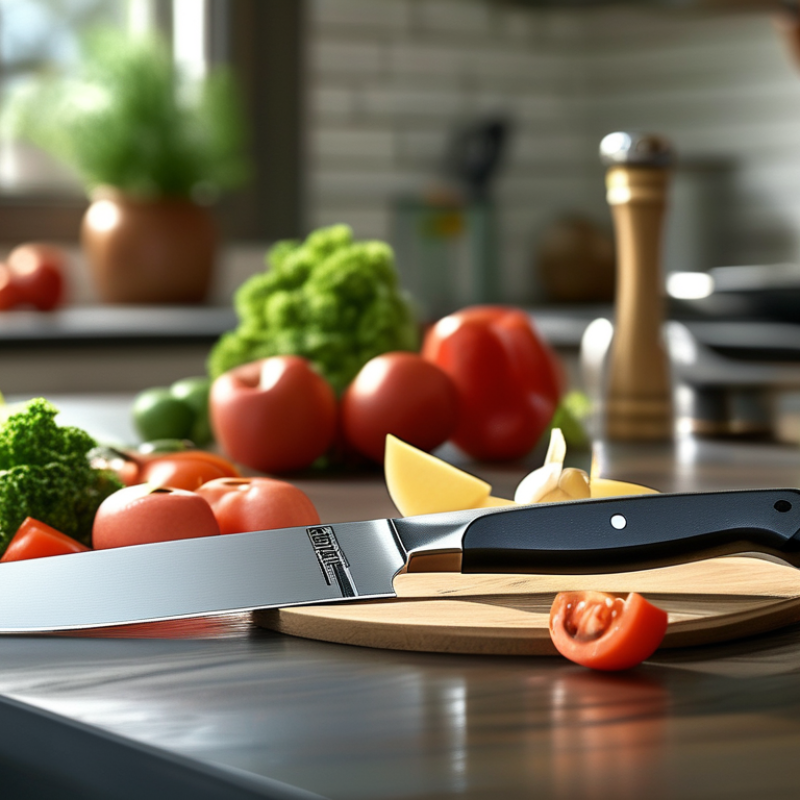
Understanding the Importance of Trends in Kitchen Knives and Accessories
The kitchen knife market is experiencing significant shifts due to changing consumer preferences. Understanding these trends is essential for anyone looking to stay relevant. A recent report from the Home Improvement Research Institute shows that sales of high-quality kitchen knives have increased by 25% in the past two years. Consumers are gravitating towards knives that offer both functionality and design.
Trends also emphasize eco-friendly materials in knife production. A survey by the Kitchenware Manufacturers Association indicates that 70% of consumers prefer sustainable products. This shows a growing awareness about environmental impacts. Yet, the challenge lies in balancing sustainability with performance. Not all eco-friendly materials perform equally well, leading to potential consumer dissatisfaction.
Moreover, the design element cannot be overlooked. As more people embrace cooking at home, aesthetics play a key role in choice. A well-designed knife can elevate the cooking experience. However, focusing solely on appearance may lead to neglecting functionality. Striking the right balance is crucial for making informed purchasing decisions.
Trending Innovations in Kitchen Knives and Accessories
Exploring Online Resources for Kitchen Knife Innovations
To uncover the latest innovations in kitchen knives and accessories, online resources serve as invaluable tools. Websites such as culinary blogs, professional forums, and social media platforms provide real-time insights. A recent report by the Kitchenware Manufacturers Association indicates that 48% of consumers seek innovative designs when purchasing kitchen tools.
Online video platforms have emerged as powerful influencers. Chefs and enthusiasts share their experiences with new knife technology. This content offers authentic reviews and demonstrates advanced techniques. The Global Kitchen Knife Market Report highlights a 5.2% annual growth rate, underscoring the rising interest in novel kitchen implements. However, distinguishing between trends and fads can be challenging.
Social media trends fluctuate rapidly, making it crucial to follow trusted sources. An excessive focus on aesthetics can overshadow functionality. Emerging knife models often prioritize style but may compromise on durability. Engaging with experts on online forums can provide clarity. Consumers should remain critical of trends, ensuring that innovations truly enhance their culinary experience.
How to Discover Trending Innovations in Kitchen Knives and Accessories?
| Innovation Type |
Description |
Online Resource |
Trend Score (out of 10) |
| Ceramic Blades |
Lightweight and non-reactive, ideal for slicing fruits and vegetables. |
Kitchenware Blogs |
8 |
| Multifunctional Knives |
Knives that incorporate multiple tools, enhancing utility in cooking. |
YouTube Cooking Channels |
7 |
| Smart Knives |
Equipped with sensors to monitor food preparation techniques. |
Tech Review Websites |
9 |
| Ergonomic Handles |
Designed for comfort and reduced strain during use. |
Home Improvement Forums |
8 |
| Sustainable Materials |
Knives made from eco-friendly resources like bamboo or recycled metals. |
Sustainability Blogs |
7 |
Attending Culinary Expos to Discover New Knife Technologies
Attending culinary expos is an excellent way to discover the latest innovations in kitchen knives and accessories. These events showcase emerging technologies, materials, and designs that are transforming kitchenware. According to recent industry reports, the global kitchen knife market is projected to grow at a CAGR of 5.5% between 2021 and 2028. Engaging with manufacturers and expert chefs at these expos can provide insights into cutting-edge developments.
When visiting expos, pay attention to workshops and demonstrations. They often highlight new blade technologies that can improve cutting efficiency and safety. For example, many brands now feature knives with advanced coatings that enhance durability and reduce friction. These innovations can significantly impact user experience in the kitchen.
Tip: Network with industry experts. Collect recommendations on brands or technologies worth exploring. Connecting with professionals can lead to valuable insights and potential collaborations.
Some innovations may not be perfect. Not every new design is ergonomic or feasible for home cooks. Evaluate new products critically, considering your needs and preferences. Not all trendy innovations will suit every cooking style.
Tip: Experiment before investing. Look for opportunities to test products before making a purchase. A well-informed choice will save you time and money.
Engaging with Chef Communities for Insights on Cutting Tools
Engaging with chef communities is a powerful way to discover trending innovations in kitchen knives and accessories. Chefs often share hands-on experiences and practical tips that can reveal valuable insights. According to a recent survey by the Specialty Food Association, 75% of chefs rely on peer recommendations for cutting tools. This shows how much trust they place in their colleagues’ expertise.
Online forums and social media platforms have become valuable resources. Chefs discuss the latest tools, techniques, and innovations in these spaces. Websites like Reddit and specialized culinary forums gather chefs from diverse backgrounds. Conversations range from heat retention in blades to ergonomic handles. A recent report from IBISWorld highlighted a 25% increase in online cooking communities over the past two years. These platforms serve as vibrant hubs for knowledge sharing.
However, not all advice is universally applicable. A tool favored by one chef may not suit another’s style. Personal preferences and cooking techniques vary significantly. Chefs must think critically about which innovations genuinely improve their craft. Reflecting on varying opinions helps avoid following trends blindly. Engaging with diverse voices in culinary communities is key to making informed choices.
Analyzing Consumer Reviews for Insights on Trending Kitchen Products
Analyzing consumer reviews can unveil valuable insights into trending kitchen knives and accessories. Shoppers often share their hands-on experiences, highlighting what works and what doesn't. These reviews can reveal emerging trends, like the popularity of Japanese-style blades or eco-friendly materials. Reading through the positive and negative feedback helps to understand consumer preferences.
Many consumers focus on certain features. Some might praise the ergonomic handles that enhance comfort during prolonged use. Others may complain about the sharpness fading quickly. This feedback provides information on quality and durability. It's essential to analyze multiple reviews to gauge overall sentiment and avoid isolated opinions.
Sometimes, trends appear based on specific needs. For example, reviewing comments about lightweight options shows a consumer shift towards easy-to-handle knives. However, not every product is received well. Some models might consistently receive criticism for poor balance or handle slip. This continual feedback can serve as a guide for both consumers and manufacturers seeking to innovate effectively.
FAQS
: Online resources include culinary blogs, professional forums, and social media platforms. They provide real-time insights.
A report indicates that 48% of consumers look for innovative designs when purchasing kitchen tools. They want functionality and style.
Chefs and enthusiasts share experiences and reviews on video platforms. This content shows advanced techniques and real knife performance.
The Global Kitchen Knife Market shows a 5.2% annual growth rate. There’s increasing interest in novel kitchen implements.
Trends change quickly on social media. Focus on trusted sources, as aesthetics may overshadow the knife’s actual functionality.
Chefs share experiences and tips in online forums. They rely heavily on peer recommendations for selecting cutting tools.
Personal cooking styles and preferences vary. A tool that works for one chef may not suit another.
There has been a 25% increase in online cooking communities in the past two years. They are hubs for knowledge sharing.
Critical thinking is essential. Reflecting on varying opinions helps consumers make informed decisions about innovations.
Chefs need to determine which innovations genuinely enhance their craft. Personal reflection is important in this process.
Conclusion
To discover what innovations are trending in kitchen knives and accessories, it's essential to understand the role of trends in enhancing culinary experiences. This involves exploring various online resources that showcase the latest developments in knife technology and design. Additionally, attending culinary expos provides firsthand insights into cutting-edge innovations, while engaging with chef communities offers valuable perspectives on the most effective tools in the kitchen.
Another critical approach is analyzing consumer reviews, which can highlight popular features and preferences among home cooks and professionals alike. By combining these strategies, you can stay informed about the latest trends and improvements in kitchen knives and accessories, ensuring that your kitchen is equipped with the best tools available.

 Eco Best Kitchens