10 Effective Tips to Prevent Cross Contamination in Food Prep?

Time:2026-08-04 Author:Isabella
0%

In the food preparation industry, preventing cross-contamination is crucial for safety. Renowned food safety expert Dr. Sarah Thompson emphasizes, "Every kitchen must prioritize cleanliness to keep food safe." This statement highlights the importance of awareness in kitchens.

When preparing food, raw and cooked ingredients must be kept separate. This simple practice can eliminate many risks. Experts agree that even small lapses can lead to serious consequences. Learning how to prevent cross-contamination in food prep is essential for chefs and home cooks alike.

Food prep areas often contain bacteria from various sources. A careless moment—like using the same cutting board for raw chicken and vegetables—can lead to illness. Every person in the kitchen should understand these dangers. Emphasizing safe practices, we can reduce risks and ensure all food served is safe to eat.
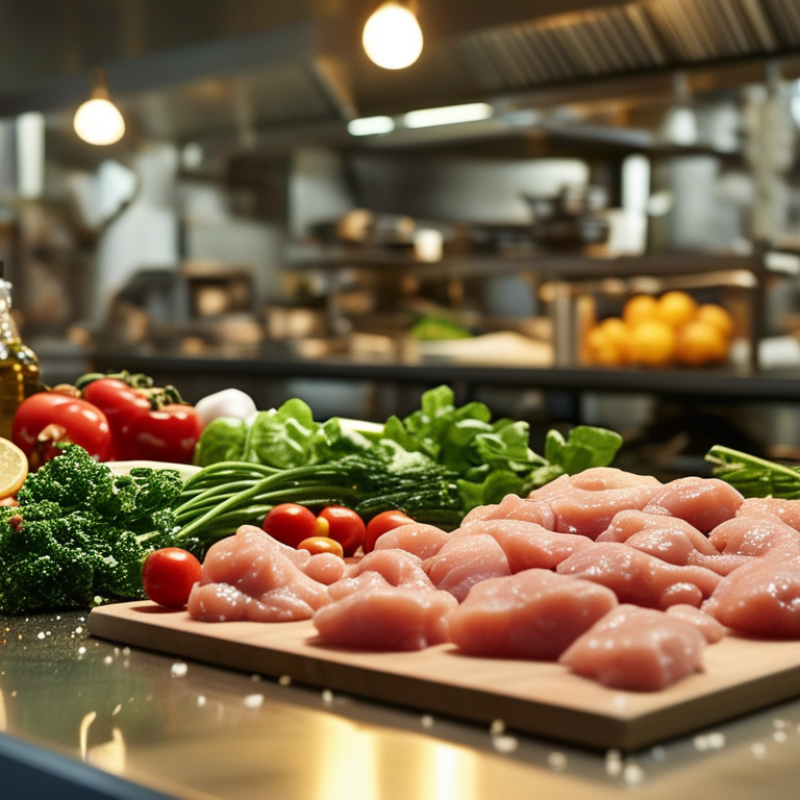
10 Effective Tips to Prevent Cross Contamination in Food Prep?

Understanding Cross Contamination in Food Preparation

Cross contamination is a serious issue in food preparation. It occurs when harmful bacteria or allergens are transferred from one surface or food to another. According to the CDC, approximately 48 million people get sick from foodborne illnesses in the U.S. each year. This highlights the importance of understanding how to prevent cross contamination effectively.

One common source of cross contamination is using the same cutting board for raw meat and vegetables. This practice can lead to the transfer of bacteria like Salmonella or E. coli. A study published in the Journal of Food Protection found that the risk of contamination increases significantly with improper food handling. Simple practices like using separate boards can minimize risks. Additionally, food can be contaminated by hands. Research shows that washing hands only before food preparation is not enough. Hands should be washed between handling different food items.

Cleaning surfaces can also be overlooked. A report from the USDA emphasizes that sanitizing counters and utensils is crucial. Failure to do so can lead to harmful bacteria lingering. Despite awareness, many food preparers often neglect these steps. They might rely on visual cues, believing that food looks clean enough. This flawed thinking can contribute to outbreaks. Recognizing these aspects is essential for ensuring food safety.

Identifying Common Sources of Cross Contamination

Cross contamination is a hidden threat in food preparation. One common source is raw meat. When handling chicken, its juices can easily spread bacteria to other foods. To combat this, always use separate cutting boards. Avoid cutting vegetables on the same surface used for raw meat. This simple step can reduce the risk significantly.

Another major source is unwashed fruits and vegetables. They can carry harmful pathogens from soil. Rinse them thoroughly under running water before use. Even pre-packaged produce can be a risk if not handled properly. Ensure hands are washed before touching these items. Employees and home cooks alike must stay vigilant about hygiene practices.

Implementing strict processes in the kitchen can help mitigate risks. Regular training on hygiene protocols is essential. Frequent reminders about the importance of cross-contamination can create a safer cooking environment. Mistakes happen, and it's crucial to learn from them. Assess your kitchen practices often and adapt as needed.

Essential Hygiene Practices for Food Handlers

Maintaining hygiene is crucial for food handlers to prevent cross-contamination. Wash your hands frequently. Use soap and warm water for at least 20 seconds. Dry hands with a clean towel. This simple act removes harmful bacteria and fosters a safe cooking environment.

Use separate utensils for raw and cooked foods. Color-coded chopping boards can help differentiate between them. This practice reduces the risk of harmful bacteria from raw meat spreading to other foods. Regularly clean surfaces and utensils. A disinfectant can kill lingering germs, ensuring food safety.

Be aware of your workspace. Keep it tidy and organized. Remove any items that can transfer bacteria. Regularly check expiration dates on ingredients. Fresh produce has fewer risks and contributes to better meals. Reflection on personal habits is important. Many may overlook small factors that lead to contamination. Awareness can enhance food safety practices significantly.

10 Effective Tips to Prevent Cross Contamination in Food Prep

Tip Description Importance
1. Wash Hands Regularly Always wash your hands with soap and water before food preparation and after handling raw foods. Reduces risk of transferring pathogens to food.
2. Use Separate Cutting Boards Utilize different cutting boards for raw meat and vegetables to avoid cross-contact. Prevents cross-contamination between raw and cooked foods.
3. Proper Food Storage Store raw meats at the bottom of the fridge to prevent juices dripping onto other foods. Maintains food safety and quality.
4. Clean Surfaces Thoroughly Sanitize countertops and surfaces before and after food prep. Prevents the spread of bacteria.
5. Use Clean Utensils Always use clean knives, spoons, and other utensils when preparing food. Avoids contamination from dirty tools.
6. Thaw Foods Safely Thaw frozen foods in the refrigerator, not at room temperature. Minimizes growth of harmful bacteria.
7. Seal Food Properly Use airtight containers to store leftovers and prevent cross-contact. Keeps food safe and fresh.
8. Be Aware of Allergens Keep allergenic foods separate to avoid accidental exposure. Protects individuals with food allergies.
9. Dispose of Expired Foods Regularly check and discard expired products to avoid contamination. Ensures food safety.
10. Educate Staff on Hygiene Train all food handlers on hygiene practices and cross-contamination risks. Promotes a culture of food safety.

Proper Storage Techniques to Prevent Cross Contamination

Proper storage techniques are crucial in preventing cross-contamination during food preparation. One effective method is to separate raw and cooked foods. Store raw meat on the bottom shelf of the refrigerator to avoid juices dripping onto other items. Use distinct containers for different food types. Color-coded bins can reduce the risk of mistakes. Avoid meat and vegetable storage in the same container.

Labeling each food item is also essential. Use clear dates to track freshness and ensure older products are used first. Consider airtight containers for perishable items. This limits exposure to bacteria and maintains food quality. Even minor lapses—like unsealed bags—can lead to risks. Ensure all containers are appropriately closed before storing.

Temperature control plays a significant role as well. Keeping food at safe temperatures prevents bacterial growth. Refrigerators should be set below 40°F (4°C). Regularly check appliance settings to ensure they are accurate. Any fluctuation could compromise food safety. Reflect on these practices often, as even experienced chefs can develop bad habits over time.

Using Separate Equipment and Utensils for Different Food Types

Cross-contamination is a significant concern in food preparation. Using separate equipment and utensils for different food types is one effective way to mitigate this risk. A study by the U.S. Department of Agriculture (USDA) found that cross-contamination accounts for a large percentage of foodborne illnesses. In fact, approximately 48 million people in the U.S. get sick each year due to contaminated food.

Designating specific cutting boards and utensils for raw meat, vegetables, and cooked foods helps prevent pathogens from spreading. For instance, colored cutting boards can serve as a visual cue for their intended use. This adds clarity in a busy kitchen environment. However, many home cooks neglect this simple practice, often using the same tools for multiple food types. It may seem efficient, but it increases the risk of unintentionally mixing pathogens, leading to potential health risks.

Inadequate training also plays a role. Many food handlers lack proper knowledge about the importance of using separate equipment. A survey conducted by the Food and Drug Administration (FDA) indicated that only 25% of food workers could correctly identify the steps to avoid cross-contamination. This underlines the need for ongoing education and training within the food industry. With simple changes, we can significantly reduce health risks and improve food safety practices.

10 Effective Tips to Prevent Cross Contamination in Food Prep

FAQS

: Why is handwashing important for food handlers?

: Handwashing removes harmful bacteria, promoting a safe cooking environment.

How should hands be washed to ensure safety?

Use soap and warm water for at least 20 seconds, then dry with a clean towel.

What is the role of separate utensils in food safety?

They prevent cross-contamination between raw and cooked foods.

How can color-coded chopping boards help?

They clearly differentiate utensils for raw and cooked foods, minimizing risks.

What should be done with food surfaces and utensils after use?

Regularly clean them with disinfectant to eliminate lingering germs.

Why is it important to keep your workspace organized?

A tidy workspace minimizes the transfer of bacteria from items.

How can proper food storage techniques help?

They reduce cross-contamination risks, especially between raw and cooked items.

What is the significance of labeling food items?

It helps track freshness, ensuring older products are used first.

What temperature should refrigerators be set to?

They should be kept below 40°F (4°C) to prevent bacterial growth.

How can minor storage lapses affect food safety?

Unsealed bags or containers can increase the risk of contamination.

Conclusion

Cross-contamination is a significant concern in food preparation that can lead to foodborne illness. Understanding how to prevent cross-contamination in food prep begins by identifying common sources, such as improper handling of raw and cooked foods, and recognizing the importance of essential hygiene practices for food handlers. Maintaining a clean environment, washing hands frequently, and ensuring that surfaces and tools are sanitized can greatly reduce risks.

Proper storage techniques are also crucial; foods should be stored at safe temperatures and in separate containers to avoid cross-contact. Utilizing separate equipment and utensils for different food types, particularly between raw and cooked items, is another effective strategy to minimize cross-contamination. By following these guidelines, food handlers can ensure safe food preparation and protect consumers from potential health hazards.

Isabella

Isabella

Isabella is a dedicated marketing professional with a sharp focus on driving brand growth and engagement through strategic content creation. With an extensive background in digital marketing, she combines her passion for storytelling with her keen understanding of industry trends to deliver......