In the culinary world, the topic of how often should you sharpen your knives remains crucial for optimal performance. According to a survey by the Culinary Institute of America, 80% of professional chefs sharpen their knives at least once a week. Proper knife maintenance directly impacts food preparation efficiency and safety.
Expert chef and knife specialist, John Doe, states, "A sharp knife is not just safer; it leads to better, cleaner cuts." His insights align with research indicating that dull knives require more force, increasing the risk of accidents. Some cooks wait until they struggle with slicing. This approach often leads to frustration and worsens performance.
Regular sharpening not only enhances kitchen productivity but also prolongs the life of your knives. Knowing how often to sharpen them is key for any serious cook. Striking a balance between too often and too infrequently can be challenging. Observing your knives’ performance during use can guide you to the right frequency.
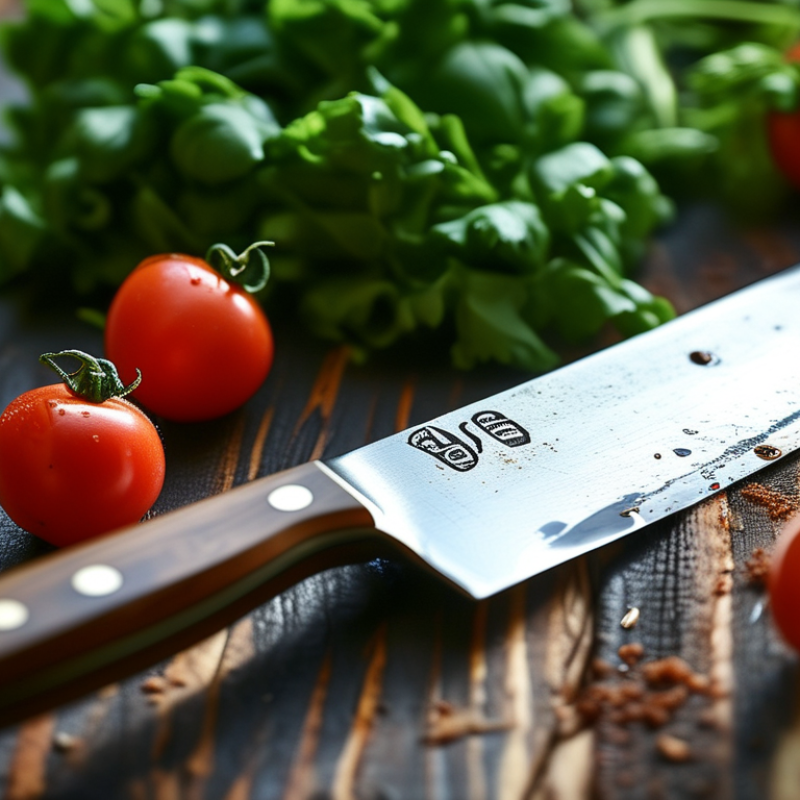
Knife sharpening is often overlooked, yet it plays a crucial role in kitchen performance. A dull knife can be frustrating to use. It requires more force, leading to accidents. The importance of keeping your knives sharp cannot be overstated. A well-maintained knife enhances precision and efficiency in cooking.
Regular sharpening not only improves cutting ability but also prolongs a knife's lifespan. Over time, knives lose their edge, which can affect performance. Many factors contribute to this wear. For instance, cutting on hard surfaces can damage the blade. Knowing when to sharpen is key to maintaining optimal functionality.
Some chefs recommend sharpening every few weeks, while others may stretch it to a few months. Personal usage greatly determines this frequency. If you frequently prepare meals, your knives require regular attention. It’s essential to be mindful of the signs of dullness. A knife that slips while slicing is a clear indicator. Sharpening may feel tedious but skipping it leads to unsafe practices. You may find that honing your skills in knife maintenance is just as critical as honing your culinary skills.
The frequency of knife sharpening can vary widely. It often depends on how frequently you use your knives and the type of tasks they perform. A chef who slices herbs daily may need to sharpen their knives every few days. In contrast, a home cook who uses their knives sporadically might only sharpen them every few weeks.
The quality of the knife material also plays a role. Some steels retain their edge longer than others. If you use a softer steel, expect to sharpen it often. Additionally, cutting surfaces matter. Soft plastic cutting boards may be gentler on knives than hard surfaces like glass or stone. It’s essential to assess these factors regularly.
Personal handling affects blade performance too. A knife used with heavy pressure can dull quicker. Over time, this can lead to frustration during meal prep. Consider if your sharpening technique is effective. Even the most experienced chefs can overlook proper honing. Reflecting on your usage patterns can help maintain peak knife conditions.
When it comes to knife maintenance, recognizing the signs that indicate your knife needs sharpening is crucial for optimal performance. A dull knife can be frustrating and dangerous. A study from the Culinary Institute of America highlights that a dull blade requires 2-3 times more force to cut through food. This not only increases the risk of slipping but can also lead to injuries.
One clear sign your knife needs sharpening is if it struggles to slice through soft produce like tomatoes or cucumbers. A sharp knife should glide through items with minimal resistance. Additionally, if you notice your blade snagging on food or if it feels rough when cutting, these are indicators of dullness. According to the American Knife and Tool Institute, regularly honing your knife can maintain its sharpness, but sharpening should still be done as necessary.
Over time, knife edges can chip or roll from extensive use. Trying to cut through hard materials can exacerbate this issue. Many home cooks overlook these details, often leading to a less safe cooking experience. Engaging with your knife's performance is essential; it demands ongoing attention and care. Keeping an eye on these warning signs can elevate your culinary skills and ensure safer knife handling.
| Indicator | Frequency of Sharpening | Signs Your Knife Needs Sharpening |
|---|---|---|
| Daily Use | Every 1-2 Weeks | Visible nicks or rough edges |
| Occasional Use | Every 1-3 Months | Difficulty cutting through soft foods |
| Heavy Use (Professional) | Weekly | Food sticks to the blade |
| Seldom Used | Every 6-12 Months | Dullness or rust on the blade |
| Specialty Knives | As Needed | Loss of precision in cutting |
To achieve optimal knife performance, the sharpening technique is as crucial as frequency. A whetstone offers excellent results. Select a medium grit for initial sharpening. Wet the stone before use to avoid clogs. Use consistent angles, typically around 20 degrees. The goal is to maintain a sharp edge without excessive material removal.
Another effective method is the use of honing rods. They realign the edge without removing material. Regular honing can push back the microscopic folds that form during cutting. This keeps your knife functional between extensive sharpenings. Aim to hone your knife before each significant cooking session.
Pay attention to the feel of your knife. If it seems less effective on tougher ingredients, it might need sharpening. Reflection is key; take notes on performance and sharpening frequency. Different materials can wear your blade unevenly. Becoming familiar with how your knife behaves will lead to better knife care and an improved cooking experience.
Maintaining knife sharpness is essential for optimal performance in the kitchen. Regularly honing your knives can help prolong their sharpness between full sharpenings. Try honing after each use or at least a few times a week if you cook frequently. A honing rod aligns the microscopic teeth of the blade, making cutting easier. This step often gets overlooked, yet it plays a critical role in knife care.
Additionally, proper knife storage can greatly impact blade longevity. Storing knives in a knife block or on a magnetic strip reduces the likelihood of dulling due to contact with other utensils. Avoid tossing them in a drawer, where blades can scrape against hard surfaces. It’s important to reflect on how you store your knives and adjust accordingly. Even with these measures, knives may still lose their sharpness over time. Regularly check the edge for any signs of wear.
Practicing these habits will enhance the lifespan of your knives. However, remember that every cook's routine differs. It may take some time to find the maintenance strategy that works best for you. Don’t hesitate to seek advice from seasoned chefs or culinary experts for personalized tips.
: Sharpening frequency varies. Some recommend every few weeks; others say a few months. Personal usage matters greatly.
A knife that slips during slicing indicates dullness. If it feels less effective, it might need sharpening.
Using a whetstone is effective. Use a medium grit, wet it, and maintain a consistent angle of about 20 degrees.
Regularly honing your knife helps. Ideally, hone after each use or several times a week if you cook frequently.
Store knives in a block or on a magnetic strip. Avoid tossing them in a drawer to prevent dulling.
Check for dullness. If it's difficult on tougher ingredients, consider sharpening it or honing before use.
Yes, cutting on hard surfaces can wear down the blade. Always use cutting boards designed for knife care.
Yes, monitoring performance allows you to adjust sharpening frequency and improve maintenance strategies for better care.
Knife sharpening is essential for maintaining optimal performance in the kitchen. Understanding how often you should sharpen your knives is influenced by various factors, including the type of knife, frequency of use, and the materials being cut. Generally, frequent use may call for more regular sharpening, while less frequently used knives might require less attention.
Signs that indicate your knife needs sharpening include difficulty in cutting, a noticeable decrease in precision, and a dull blade feel. For optimal results, recommended sharpening techniques range from using whetstones to pull-through sharpeners, with proper techniques yielding the best outcomes. Additionally, maintenance tips such as regular honing and proper storage can significantly extend the sharpness of your knives between sharpening sessions, ensuring they remain effective for all your culinary tasks.

Eco Best Kitchens