How Often Should You Sharpen Your Knives for Best Results?

Time:2026-03-18 Author:Aria
0%

Maintaining sharp knives is crucial for culinary precision. But, how often should you sharpen your knives? This essential question stumps many home cooks and professionals alike. Renowned chef and knife expert Thomas Keller emphasizes, “A sharp knife is a safe knife.” Sharp knives not only enhance efficiency but also ensure safety in food preparation.

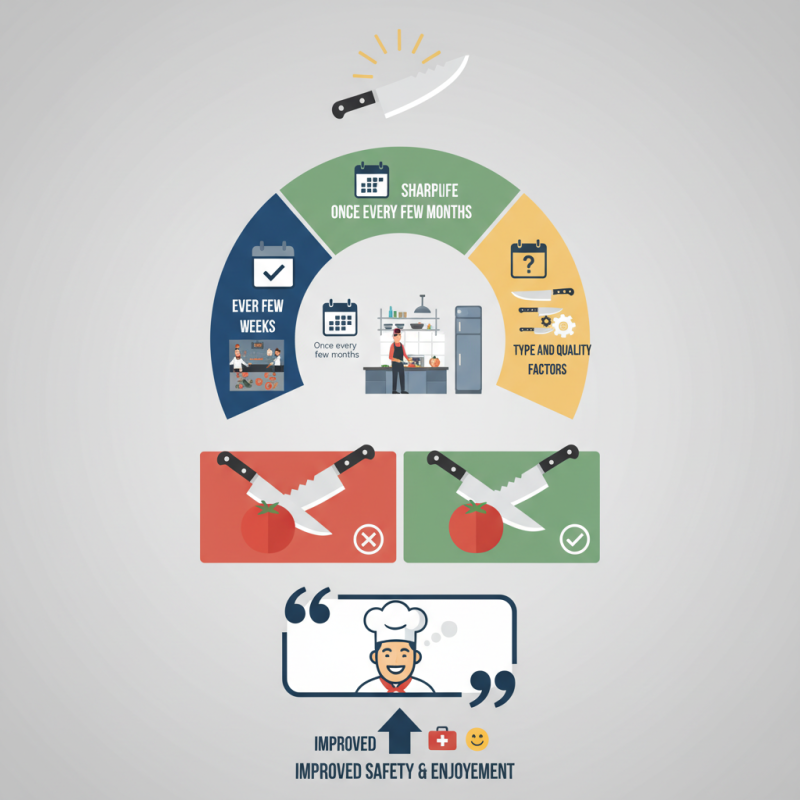
Several factors influence how frequently you should sharpen your knives. Daily use in a busy kitchen may demand sharpening every few weeks. Some might only require occasional sharpening, depending on their cooking habits. The type of knife and its quality also play roles in this equation. It becomes clear that the answer varies greatly among individuals.

Ignoring knife maintenance can lead to dull blades, which pose risks. A dull knife can slip and cause accidents. Reflecting on this, many culinary enthusiasts realize they may not sharpen as often as needed. Understanding how often should you sharpen your knives is vital for both safety and enjoyment in the kitchen. Emphasizing this practice could transform your cooking experience.
How Often Should You Sharpen Your Knives for Best Results?

Understanding Knife Sharpness and Its Importance

Knife sharpness plays a crucial role in both cooking and food preparation. A sharp knife cuts through ingredients with ease, improving efficiency. Studies show that a dull knife requires 30% more force to cut, increasing the risk of slips and accidents in the kitchen. For professional chefs, knife sharpness can be the difference between a gourmet experience and a frustrating task.

Understanding the ideal sharpness can help maintain safety and quality. Regular honing can keep knives in optimal shape, but actual sharpening is necessary over time. According to a survey by the Culinary Institute, chefs recommend sharpening knives every 1 to 3 months, depending on usage frequency. High-quality knives, even those made from stronger materials, will eventually dull and lose their edge.

Beyond practicality, a sharp knife ensures precise cuts, enhancing the presentation of dishes. An imperfect knife can lead to uneven slices, affecting both cooking time and the aesthetic appeal of food. Reflections on this show that maintaining knife sharpness addresses both functionality and artistry in the kitchen. Investing time in knife maintenance transforms cooking from a chore into a creative endeavor.

Signs That Indicate It's Time to Sharpen Your Knives

When it comes to kitchen knives, sharpness is key. You should look for specific signs to know when it’s time to sharpen them. If you notice your knives require more pressure to slice through food, this is a clear signal. A dull knife can lead to uneven cuts, which might ruin your dish’s presentation.

Another sign is when your knife struggles to cut through vegetables or meat. If you're pressing harder than usual, something isn't right. You might also feel a slight slipping sensation as you attempt to slice. This indicates a lack of control and increases the risk of accidents. It’s essential to recognize these moments.

Sometimes, you may find yourself avoiding using certain knives. Perhaps they don’t perform as expected anymore. This reluctance usually points to wear and tear. Keeping a knife sharp is not just about performance; it ensures safety in the kitchen. A dull knife can slip, which often leads to injuries. Regular maintenance can help you avoid these pitfalls.

How Often Should You Sharpen Your Knives for Best Results?

This chart shows the recommended frequency for sharpening knives based on user preferences. Most users find it necessary to sharpen their knives after every use, while fewer choose to sharpen them weekly or monthly. Regular maintenance is essential for optimal performance.

Frequency of Knife Sharpening Based on Usage

Knife sharpening frequency largely depends on how often you use your knives. According to the American Knife and Tool Institute, chefs who use their knives daily may need to sharpen them every few weeks. However, for home cooks, sharpening every month or two may suffice. Proper maintenance keeps knives safe and effective.

Usage also dictates the sharpening method. A study by the Culinary Institute of America reveals that using a honing steel can help maintain edge alignment between sharpenings. This technique extends the time needed between official sharpenings. For those who only cook occasionally, honing can create a noticeable difference. It helps to avoid the common pitfall of waiting too long to sharpen.

Some may find themselves hesitant to sharpen too often. They might worry about damaging the blade. Remember that a dull knife is more dangerous than a sharp one. A survey indicated that 80% of culinary professionals favor regularly sharpened knives for precision. Take time to reflect on your habits. Are you giving your tools the care they deserve?

Different Methods for Sharpening Your Knives

When it comes to sharpening knives, various techniques yield different results. One popular method is honing. This quick fix realigns the blade edge and restores sharpness without removing much material. A honing rod is often used for this process. Run the knife against the rod at a 20-degree angle, applying light pressure. Easy and effective, this method can be done weekly.

Conversely, sharpening involves removing metal to create a new edge. A whetstone is a commonly used tool. Soak it for about 10-15 minutes before using. Maintain the correct angle and apply consistent pressure while sliding the knife back and forth. It requires practice to master. Too much pressure might cause uneven edges.

Another option is using a pull-through sharpener. It's user-friendly but can lead to a less refined edge. This method may not produce the same sharpness as a whetstone. Each method has benefits and drawbacks. Finding the right balance is crucial for achieving the best results. It’s important to reflect on which method works best for you.

Maintaining Your Knives for Optimal Performance

Maintaining your knives is crucial for optimal performance in the kitchen. A sharp knife reduces friction, making it safer and easier to cut through ingredients. According to a survey by the American Knife and Tool Institute, dull knives account for 80% of kitchen injuries. This statistic highlights the importance of regular maintenance.

The frequency of sharpening depends on usage. Professional chefs often sharpen their knives every few hours. Home cooks may only need to sharpen them every few months. However, signs of dullness can appear sooner. If you struggle to slice through vegetables or feel resistance, it is time to sharpen. Ignoring these signs can lead to frustration and even accidents.

Proper techniques can enhance the longevity of your knives. A honing steel can help realign the edge before sharpening. Using a cutting board made of wood or plastic can also prevent premature dulling. It’s common to overlook these practices, yet they play a significant role in maintaining knife quality. A little attention can lead to remarkable improvements in performance. Don't underestimate the impact of a well-maintained knife on your cooking experience.

How Often Should You Sharpen Your Knives for Best Results? - Maintaining Your Knives for Optimal Performance

Knife Type Usage Frequency Recommended Sharpening Frequency Sharpening Method
Chef's Knife Daily Once a week Whetstone or Professional Service
Paring Knife Daily Once every two weeks Honing Rod
Bread Knife Weekly Once a month Whetstone
Fillet Knife Occasional After every few uses Honing Rod or Electric Sharpener
Steak Knife Weekly Once every three months Honing Rod

FAQS

: How can I tell if my knife is dull?

: If your knife requires more pressure to slice through food, it's dull. Uneven cuts are another sign.

What happens if I use a dull knife?

A dull knife increases the risk of slips, leading to accidents. It can also ruin the presentation of your dish.

How often should I sharpen my knives?

If you use knives daily, consider sharpening every few weeks. For occasional use, once a month or two is enough.

Can honing extend the time between sharpenings?

Yes, honing aligns the edge of the blade, allowing longer intervals between actual sharpenings.

What should I do if I avoid certain knives?

If you hesitate to use a knife, it likely needs sharpening. Regular maintenance can restore your confidence.

Is it safe to sharpen knives frequently?

Yes, sharpening more often is safer than using a dull knife. A dull knife is more dangerous in the kitchen.

How does knife sharpness affect cooking time?

A sharp knife cuts quickly, reducing cooking time. Dull knives require more effort, slowing down the process.

What impact does knife presentation have?

Sharp knives provide precise cuts which enhance the visual appeal of dishes. A dull knife may lead to uneven presentation.

Why is knife maintenance important?

Regular knife maintenance ensures both safety and performance. It allows for creativity in your cooking experience.

Conclusion

In the quest for optimal knife performance, understanding knife sharpness and its significance is crucial. A dull knife not only hinders efficiency but can also pose safety risks. Recognizing the signs that indicate it’s time to sharpen your knives is essential, as common indicators include difficulty in cutting or fraying edges on food.

When considering how often you should sharpen your knives, frequency often depends on your usage – with chefs, for instance, likely needing to sharpen more regularly than casual home cooks. There are various methods for sharpening knives, from whetstones to honing rods, each offering distinct benefits. Lastly, maintaining your knives, including proper cleaning and storage, can significantly enhance their longevity and performance, ensuring they remain effective tools in the kitchen.

Aria

Aria

Aria is a dedicated marketing professional with a deep passion for innovative strategies and a keen understanding of our company's product offerings. With a wealth of experience in the industry, Aria excels at crafting engaging content that highlights the unique features and benefits of our......