Cooking is both an art and a science. One key element that can make or break your culinary experience is the sharpness of your kitchen knives. Renowned chef and knife expert, John Doe, once stated, “A sharp knife is not just a tool; it's an extension of your hand.” This highlights the importance of knowing how to maintain sharpness of kitchen knives.
Sharp knives enhance precision and safety. Dull knives demand more force, risking slips and accidents. Proper maintenance ensures efficiency, making preparation tasks quicker and more enjoyable. Knife longevity also depends on consistent care. Without it, even the best knives can fall into disrepair.
Regular honing and sharpening are crucial skills for home cooks. However, many overlook this vital aspect. Tools and techniques vary widely, and the wrong methods may lead to frustration. The journey to mastering how to maintain sharpness of kitchen knives involves learning, practice, and reflection. A little effort can transform your cooking experience.
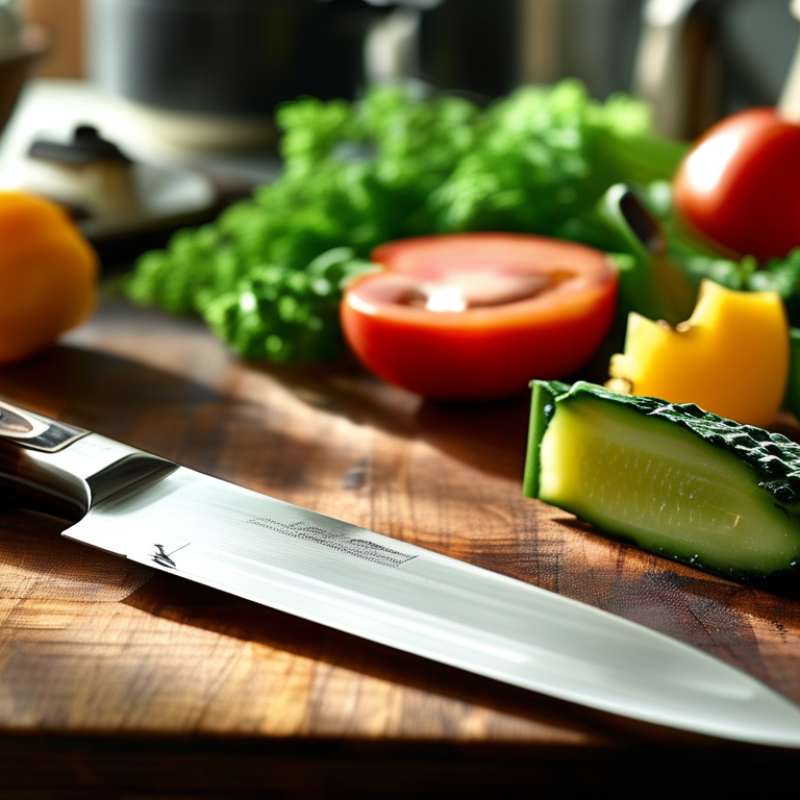
Importance of Sharp Kitchen Knives in Culinary Preparation
Sharp kitchen knives are a vital tool in culinary preparation. According to the Culinary Institute of America, dull knives can increase food preparation time by 50%. This not only impacts efficiency but can also lead to inconsistent cuts. Uneven slices affect cooking times and flavors, as thicker pieces take longer to cook. Chefs emphasize that precision in knife skills enhances presentation and taste.
Maintaining sharpness is crucial for safety. A dull knife can slip during cutting, leading to accidents. The U.S. National Safety Council states that kitchen knife injuries make up a significant portion of household accidents. With a sharp edge, there's less force needed, resulting in better control. This control allows chefs to focus on the food rather than the tool they're using.
Regular tuning and sharpening are essential practices in a chef’s routine. Many experts recommend honing knives frequently, even before each use. A study from the American Culinary Federation reported that chefs who sharpen their knives regularly experience fewer cooking-related injuries. This careful attention ensures that chefs can work efficiently, safely, and enjoyably in the kitchen.
Understanding the Impact of Dull Knives on Food Quality and Safety
Dull knives pose a serious threat to food quality and safety. When a knife is not sharp, it can tear and crush food instead of slicing it cleanly. This can lead to uneven cooking and compromised texture. Additionally, dull knives require more pressure to cut through ingredients, increasing the risk of accidents in the kitchen. A simple slip could result in cuts and injuries, making meal preparation more hazardous.
Proper maintenance of kitchen knives is essential. Regular honing can help maintain sharpness. It’s a quick process that can be done before you start cooking. Invest in a good sharpening stone to keep blades in top condition. For safety, always cut on stable surfaces and keep fingers away from the blade’s path.
Another common mistake is neglecting to clean and dry knives immediately after use. Residual moisture or food particles can lead to rust or dulling. Store knives properly, using a knife block or magnetic strip. This prevents damage to the blade and keeps the edge sharper for longer. Remember, a sharp knife is not only safer but also makes cooking more enjoyable.
Basic Techniques for Maintaining Knife Sharpness at Home
Maintaining the sharpness of kitchen knives is crucial for every home cook. Studies have shown that a sharp knife can lead to 50% less force needed for cutting, making food preparation safer and more efficient. Yet, many individuals neglect proper techniques. A poorly maintained knife not only increases prep time but can also lead to accidents in the kitchen. Research indicates that dull knives are responsible for a significant percentage of kitchen injuries due to slipping and mishaps.
Basic techniques for keeping knives sharp at home include regular honing and occasional sharpening. Honing realigns the edge of the blade and should be done before every use. This quick practice takes just a few moments but extends the life of your knife. On the other hand, sharpening is needed less often, typically once every few months, depending on usage. This process removes material from the knife. Many people overlook this step, leading to frustration when cutting vegetables or meat.
Using a whetstone or honing steel can be effective. Beginners should consider a guided system for better results. A study from the Culinary Institute of America highlights that improper sharpening can increase the risk of edge chipping. It’s essential to choose the correct technique for your type of knife. Taking the time to learn these methods may feel tedious but is rewarding in the long run. A sharp knife not only improves cutting precision but also enhances the overall cooking experience.
Tools and Equipment for Effective Knife Sharpening
Maintaining the sharpness of kitchen knives is crucial for effective food preparation. To achieve this, the right tools and equipment are essential. A good whetstone is a kitchen staple. Select a stone with two different grits. The coarse side sharpens the blade, while the fine side hones it. Another option is a sharpening rod, which can quickly realign the edge of the knife. Use it regularly to maintain sharpness.
When using a whetstone, soak it for 10 to 15 minutes before starting. Hold the knife at a 20-degree angle for optimal results. Sharpen each side for approximately 10 strokes. Remember to build consistency in your technique. One imperfection can lead to a dull edge over time. Also, consider using a mechanical sharpener. While they are convenient, they might remove more material than necessary.
Proper knife storage is just as important as sharpening. Keep knives in a magnetic strip or a knife block to prevent dulling. Ensure the blades do not touch each other. This prevents potential damage. Finally, always be cautious when handling sharp knives. A clear workspace can help to prevent accidents. Care and attention will go a long way in knife maintenance.
Signs that Indicate Your Kitchen Knives Need Sharpening
Proper maintenance of kitchen knives is essential for safety and efficiency in the kitchen. Recognizing when your knives need sharpening can make a significant difference in your culinary experience. There are clear signs to look for that indicate your knives may need some attention.
If you find yourself using more force to slice through vegetables or meats, that’s a red flag. A dull knife demands more pressure, increasing the risk of slipping and causing injuries. You might also notice ragged edges on your cuts; this can make presentation less appealing. When chopping herbs or delicate items, a knife should glide effortlessly. If it's tearing instead, it's definitely time for sharpening.
Another sign is the feeling of resistance as you cut. A well-maintained knife should feel smooth in your hands, not drag as it slices. Sound matters too; a dull knife often produces an unsatisfactory crunching noise against the cutting board. These indicators are not just minor inconveniences; they can disrupt your cooking flow and lead to frustration in meal prep. Pay attention to these signs, and keep your knives sharp for a safer and more enjoyable cooking experience.
Why is it Important to Know How to Maintain Sharpness of Kitchen Knives? - Signs that Indicate Your Kitchen Knives Need Sharpening
| Sign of Dull Knife |
Explanation |
Recommended Action |
| Difficulty Slicing through Food |
The knife requires more force to cut through, indicating loss of sharpness. |
Sharpen the knife using a whetstone or sharpening tool. |
| Tearing Instead of Slicing |
The knife causes food to tear rather than creating a clean cut. |
Consider honing the knife before sharpening, as it may just need realignment. |
| Visible Nicks or Chips |
Noticing physical damage on the blade indicates it needs repair. |
Use a sharpening service or a guided sharpening solution. |
| Knife Slips While Cutting |
A dull knife can lack the necessary grip, causing it to slip. |
Sharpen the knife to improve control and safety. |
| Poor Performance on Harder Foods |
Struggling with items like squash or hard fruits shows dullness. |
Regularly sharpen and maintain your knives. |
Conclusion
Maintaining the sharpness of kitchen knives is crucial for enhancing culinary preparation and ensuring food safety. Sharp knives allow chefs to cut food more efficiently, preserving texture and flavor, while dull knives can lead to increased food preparation time and hazardous accidents in the kitchen. Understanding how to maintain sharpness of kitchen knives not only improves the quality of dishes but also promotes a safer cooking environment.
To keep knives in top condition, it's essential to familiarize oneself with basic sharpening techniques and to invest in effective tools for sharpening. Regularly inspecting your knives for signs of dullness—such as difficulty in cutting or uneven edges—can prevent subpar cooking experiences. By prioritizing knife maintenance, cooks can enjoy better culinary results and a more enjoyable cooking process.

 Eco Best Kitchens