A well-maintained kitchen knife is essential for any cooking enthusiast. These tools can elevate your culinary skills, making meal preparation smoother and more enjoyable. However, understanding how to maintain sharpness of kitchen knives is often overlooked. Many home cooks struggle with dull blades, resulting in frustrating experiences in the kitchen.
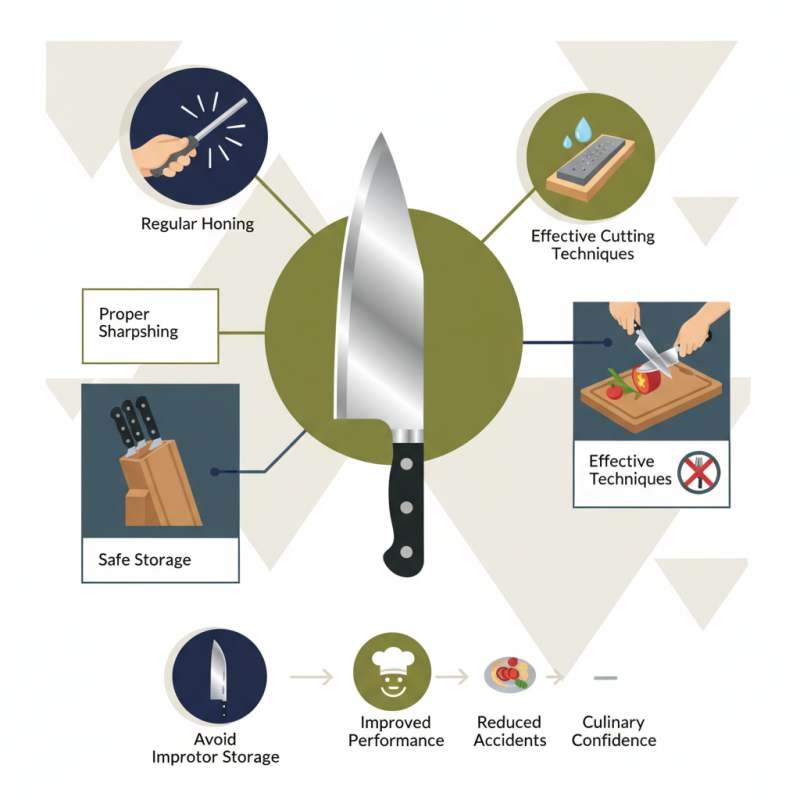
Knife sharpness directly impacts your cutting performance. A sharp knife requires less effort and reduces the risk of accidents. However, it is easy to develop bad habits regarding knife care. Improper storage, ineffective cutting techniques, and neglecting regular sharpening can all lead to a decrease in performance.
Maintaining sharpness involves more than just occasional honing. Regular maintenance and practical techniques are crucial for longevity. It’s worth investing time into learning the best practices. Embracing these skills can prevent kitchen disasters and improve your confidence. Knives deserve attention, as their efficiency significantly influences your cooking experience.
Understanding Knife Sharpness: Key Factors Affecting Performance
Knife sharpness is crucial for optimal performance in the kitchen. A sharp knife requires less force to cut through food, reducing strain on the hand and wrist. According to the American Culinary Federation, a dull knife can require up to 30% more effort to slice through ingredients. This impacts not only the efficiency of cooking but also the safety of the cook. The risk of slipping increases significantly when using a dull knife, leading to potential injuries.
Several factors contribute to the sharpness and overall performance of kitchen knives. The angle of the edge plays a vital role, with professional chefs often preferring a 15 to 20-degree angle. This allows for precision cuts while maintaining durability. Additionally, the type of steel affects the knife’s ability to hold a sharp edge. High-carbon stainless steel, for instance, is known for better edge retention and ease of sharpening. Yet, many home cooks overlook these details, leading to frustration and diminished cooking experiences.
Maintaining knife sharpness is an ongoing process. Regular honing, which aligns the blade's edge, is essential. However, it’s easy to forget or neglect this maintenance. Studies indicate that many cooks sharpen their knives only when they notice decreased performance, often causing advanced wear on the blade. Establishing a routine for regular care can extend knife longevity significantly. Reflecting on these factors can lead to improvements in both safety and efficiency in the kitchen.
Common Misconceptions About Kitchen Knife Sharpening Techniques
When it comes to sharpening kitchen knives, many misconceptions persist. One common myth is that honing and sharpening are the same processes. Honing straightens the blade without removing metal. It's a maintenance step, whereas sharpening reshapes the blade edge by grinding away material. Understanding this difference is crucial for proper knife care.
Another prevalent misunderstanding is that electric sharpeners are the best option for all users. While they can be convenient, they often remove too much steel, leading to shorter knife lifespan. Manual sharpening methods, like whetstones, can offer more control. Using a stone requires practice, but it allows for a more precise sharpening angle.
Lastly, some believe that a "sharpened" knife will stay that way indefinitely. In reality, all knives will dull over time, regardless of the quality. Regular maintenance is key. Each kitchen user needs to assess their knives' condition often. If a knife feels dull, it's time to take action. Practicing these techniques can lead to better performance in the kitchen.
Kitchen Knife Sharpness Maintenance Techniques
This chart illustrates various techniques for maintaining the sharpness of kitchen knives and their effectiveness scores. Regular honing and professional sharpening emerge as the most effective methods, while electric sharpeners rank lower. Understanding these techniques can help you keep your knives in optimal condition for better cooking performance.
Comparative Analysis of Sharpening Methods: Whetstone vs. Electric Sharpeners
When it comes to sharpening kitchen knives, choosing the right method can greatly impact performance. Whetstones and electric sharpeners are two popular options, each with its pros and cons. Industry research indicates that whetstones can maintain the blade’s edge more effectively than electric sharpeners. According to a 2021 report by the Culinary Institute, 75% of professional chefs prefer whetstones for their hands-on approach and precise control.
Whetstones require practice but can sharpen a knife to a fine edge. The process can be meditative, allowing chefs to focus on technique. However, consistent results depend on user skill. A study by the Knife Sharpening Association noted that 30% of home users struggle to achieve an optimal angle on whetstones. This can lead to uneven edges and dissatisfaction.
On the other hand, electric sharpeners offer convenience and speed. They typically require less skill, making them appealing to novice cooks. However, they often remove more material from the blade, potentially shortening its lifespan. Data show that 40% of users find that electric sharpeners do not perform as well on high-quality knives, leading to a compromise in edge retention. While both methods have their merits, the choice largely depends on individual skill levels and desired outcomes.
Best Practices for Maintaining Knife Sharpness: Frequency and Techniques
Maintaining the sharpness of kitchen knives is crucial for optimal performance. Regular honing is essential. It is a simple technique that realigns the blade edge. You should use a honing steel before or after cutting. This quick practice improves precision and reduces the need for extensive sharpening. Hone your knives every few uses for best results.
Sharpening is a different process that should occur less frequently. Depending on usage, a good rule is to sharpen every few months. Different sharpening tools exist, but using a whetstone provides more control. Apply consistent pressure while moving the blade across the stone in a sweeping motion. It may take time to master this technique, but your knives will thank you. Remember, the angle is crucial. Most kitchen knives perform well at a 20-degree angle.
Sometimes, despite our best efforts, knives may still feel dull. This could be due to improper techniques or usage on unsuitable surfaces. You might unintentionally damage the edge if your cutting board is too hard. Be mindful of your habits. A bit of reflection can guide you toward better maintenance practices. Maintaining knife sharpness requires patience and attention, but the results in your cooking will be rewarding.
Signs Your Knives Need Sharpening: Performance Indicators to Watch For
Knives are essential tools in any kitchen, and their performance matters. You might notice that cutting through food feels tougher. This is a clear sign your knives need sharpening. When a knife struggles to slice through ingredients, it creates frustration.
Another indicator is if you find yourself applying excessive pressure. A sharp knife should glide through vegetables and meats with ease. If you feel like you're wrestling with your knife, it's time to assess its condition. Uneven cuts can also signify dullness. If your diced onions don’t hold their shape, your knife is likely losing its edge.
Pay attention to the way your knife feels in your hand. If you notice vibrations when cutting, your knife has become ineffective. Regular maintenance is crucial for the best cooking experience. Reflect on your knife skills and consider the state of your tools often. Keeping track of these performance indicators ensures a smoother cooking process and enhances your culinary creations.
How to Keep Your Kitchen Knives Sharp for Best Performance?
| Performance Indicator |
Description |
Recommended Action |
| Dull Blade |
Requires more pressure to cut through food. |
Sharpen using a whetstone or honing rod. |
| Jagged Edges |
Edge has visible chips or irregularities. |
Use a sharpening service or a professional grinder. |
| Food Sticks to Blade |
Increased friction indicates bluntness. |
Sharpen to restore smoothness. |
| Uneven Cutting |
Food is crushed rather than sliced. |
Sharpen knives to ensure an even edge. |
| Rust or Stains |
Indicates lack of proper maintenance. |
Clean thoroughly and apply mineral oil. |
Conclusion
Keeping your kitchen knives sharp is essential for optimal performance and safety in the kitchen. Understanding knife sharpness involves recognizing the key factors that influence a knife's effectiveness, such as blade angle, material, and sharpening method. There are many misconceptions surrounding sharpening techniques, but a proper comprehension of methods—like using whetstones or electric sharpeners—can significantly enhance your blade maintenance routine.
To maintain sharpness of kitchen knives, it is crucial to adopt best practices, including regular maintenance and the appropriate techniques for sharpening. Recognizing the signs your knives need sharpening, such as difficulty in cutting or dull performance, is vital for timely intervention. By following these guidelines, you can ensure your knives remain in peak condition, providing you with the precision needed for all your culinary tasks.

 Eco Best Kitchens