Maximize Efficiency with Peelers and Slicers in 2026 Tips?

Time:2026-05-25 Author:Charlotte
0%

In the fast-paced world of food preparation, maximizing efficiency is essential. Knowing how to use peelers and slicers efficiently can save valuable time and effort in the kitchen. With the right techniques, you can increase productivity and reduce waste.

Peelers and slicers are critical tools that transform your food prep experience. Each can significantly speed up processes like slicing fruits and vegetables. Many people struggle with these tools, often leading to frustration. Understanding their proper use can make a world of difference.

Consider your grip and technique. A firm hold ensures precise cuts. However, too much pressure can lead to uneven results. It's also important to choose the right tool for each task. Different vegetables require different approaches. Experimenting may lead to mistakes, but that is part of the learning curve. By reflecting on your experiences, you can refine your methods and truly maximize efficiency in the kitchen.
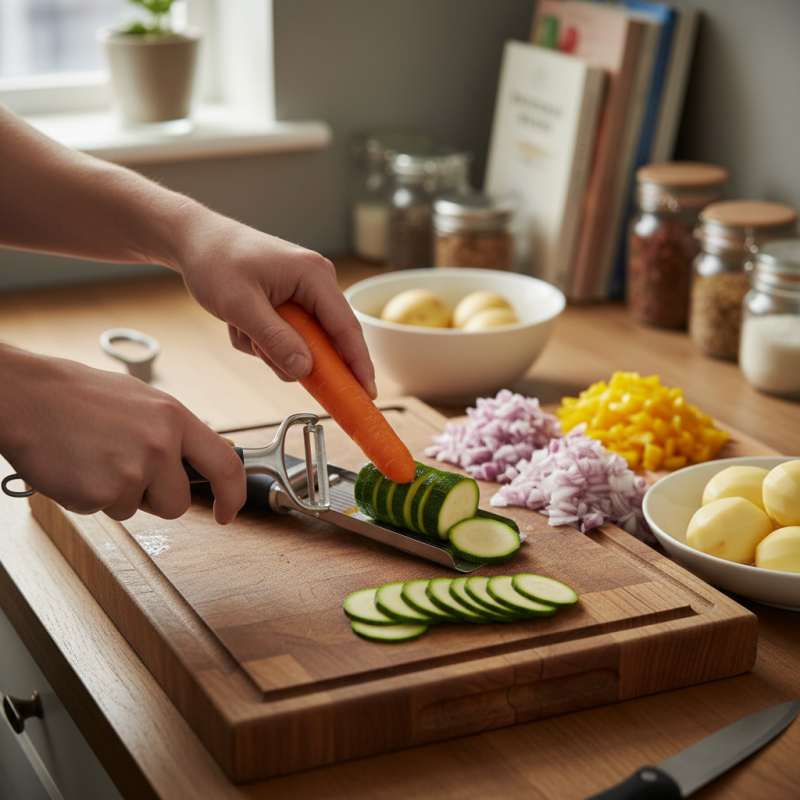
Maximize Efficiency with Peelers and Slicers in 2026 Tips?

Understanding the Different Types of Peelers and Slicers Available

In 2026, understanding the different types of peelers and slicers can greatly enhance kitchen efficiency. These tools come in various styles, each designed for specific tasks. For instance, vegetable peelers are designed for removing skins from carrots and potatoes, while mandolines allow even slicing of fruits and vegetables. Industry reports indicate that using the right tool can cut prep time by up to 30%.

Consider the benefits of straight peelers versus julienne peelers. Straight peelers offer ease and speed, perfect for basic tasks. On the other hand, julienne peelers provide the precision needed for gourmet presentations. However, users must be cautious; improper use can lead to uneven cuts or even accidents. Research from culinary experts notes that 25% of cooking injuries stem from improper tool handling.

Slicers also come in multiple variations, such as handheld and electric models. Handheld slicers are lightweight and easy to store. Yet, they require more effort and can tire the user. Electric slicers, while efficient, can be bulky and challenging to clean. Finding the right balance between usability and efficiency is essential. Ultimately, experimenting with different tools and techniques will lead to better results in the kitchen.

Key Features to Consider When Choosing Peelers and Slicers

When selecting peelers and slicers, consider their design and material. A study by the Culinary Institute found that stainless steel blades retain sharpness longer, improving efficiency in food prep. Ergonomically designed handles also reduce strain during repetitive tasks. This feature is crucial in a busy kitchen environment.

Weight matters as well. Lighter peelers and slicers can offer more control. However, some professionals note that heavier versions may provide stability and durability. Finding a balance is essential to meet individual preferences. Regular user feedback indicates that output can be affected by choosing the wrong tool for the task.

Versatility is key. Multi-functional slicers can save space and time. But using too many functions can complicate tasks and overwhelm users. Investigate tools that offer easy switch options for different slicing techniques. The goal is smooth operations, not added frustration in the kitchen.

Maximize Efficiency with Peelers and Slicers in 2026

Tips for Maximizing Efficiency with Peelers in the Kitchen

Peelers are essential tools in every kitchen. They can save time and effort while preparing meals. Using the right technique can enhance your efficiency. Hold the peeler firmly and use even strokes. This reduces uneven peeling and wasted produce.

Practice can make a significant difference. It may feel awkward at first. But, with each use, your speed and precision will improve. Remember to clean the peeler regularly. Bacteria can accumulate, making it less effective.

Mind the placement of your cutting board. A steady, well-placed board can ensure better control. Sometimes, a simple adjustment can lead to noticeable improvements. Take time to reflect on your chopping style. Are you comfortable? Efficient? Small tweaks can lead to huge gains in your kitchen experience.

Best Practices for Using Slicers to Enhance Food Preparation

Using slicers can indeed enhance your food preparation efficiency. A sharp slicer ensures uniform cuts, improving cooking consistency. Always keep your slicers clean to prevent food contamination. Different types of slicers serve unique purposes. For instance, a mandolin is great for veggies, while a deli slicer is perfect for meats. Knowing which tool to use is crucial for successful meals.

When using slicers, hand safety is paramount. A finger guard can protect against accidents. Some may prioritize speed and overlook safety. This approach can lead to injuries. Take time to practice proper slicing techniques. Slow and steady wins the race. Also, using dull blades can slow you down and increase the risk of slips. Regularly maintain your tools for longevity.

Mistakes in slicing can lead to food waste. Uneven cuts may not cook evenly. Reflect on your slicing technique regularly. Evaluating your process can yield improvements. Don’t rush, even when under pressure. Quality preparation leads to better cooking. Emphasizing precision over speed may transform your kitchen experience.

Maintenance and Care to Extend the Lifespan of Peelers and Slicers

Proper maintenance of peelers and slicers can greatly extend their lifespan, crucial in busy kitchens. A recent industry report indicates that up to 30% of kitchen equipment failures stem from inadequate care. Regular cleaning is essential. Food particles can dull blades and cause rust. After each use, wash peelers and slicers with warm, soapy water. Dry them immediately to prevent moisture buildup.

Sharpening blades is another key factor. Dull blades require more force, leading to accidents and injuries. Studies show that a sharp blade can improve cutting efficiency by 25%. Check for signs of wear regularly. If slicing becomes difficult, it’s time to sharpen or replace the blade. Additionally, store these tools properly. Hanging them or using a drawer organizer prevents damage and keeps them accessible.

Lastly, use peelers and slicers for their intended purpose. Misusing these tools can lead to functional decline. Some might think multitasking tools saves time. In reality, it often leads to faster deterioration. Kitchen professionals recommend maintaining a dedicated set for each task, thus ensuring consistency and prolonging gear life. Regular assessments of their condition can help mitigate larger issues. Adjusting practices based on usage can make all the difference in tool longevity.

FAQS

: How can slicers improve food preparation?

: Slicers enhance efficiency by ensuring uniform cuts for consistent cooking.

Why is hand safety important when using slicers?

Hand safety prevents accidents. Using a finger guard is a smart choice.

What should I do if my slicer blades become dull?

Dull blades slow down slicing. Regularly sharpen them for better performance.

How often should I clean my slicers and peelers?

Clean them after each use. This prevents food contamination and blade dulling.

Can using the wrong tool cause damage?

Yes, misusing tools can lead to functional decline. Use each tool for its intended purpose.

How does slicing technique impact food waste?

Poor slicing leads to uneven cooking. Evaluate your technique to minimize waste.

What signs indicate a need to maintain my slicers?

Difficulty in slicing or signs of wear suggest it's time for maintenance.

Is it a good idea to multitask kitchen tools?

No, multitasking can lead to faster wear. Dedicated tools are better for longevity.

What’s the best way to store slicers?

Store them properly in drawers or hang them. This prevents damage and keeps them handy.

Why should I assess my slicing practices regularly?

Regular assessment identifies areas for improvement, enhancing both safety and efficiency.

Conclusion

In the quest to maximize efficiency in the kitchen, understanding how to use peelers and slicers efficiently is essential. This article begins with an overview of the various types of peelers and slicers available, highlighting their unique features and advantages. When selecting the right tool, key considerations such as ergonomics, blade type, and ease of use should guide your choice.

The discussion further provides practical tips for maximizing the use of peelers to streamline food preparation processes. Additionally, best practices for employing slicers boost productivity while ensuring safety and precision in food handling. Finally, the importance of regular maintenance and care is emphasized, as it can significantly extend the lifespan of these kitchen tools, ensuring they remain effective for daily use.

Charlotte

Charlotte

Charlotte is a seasoned marketing professional with a deep understanding of the company's portfolio and a passion for elevating its presence in the market. With a keen eye for detail and a commitment to excellence, she ensures that our professional blog is regularly updated with insightful articles......