Home chefs are increasingly turning to the versatile meat cleaver. This tool, favored by professionals, offers precision and strength. Recent industry reports indicate that the global kitchen knife market is expected to grow at a CAGR of 5% through 2027. Meat cleavers, as a segment, are becoming popular due to their multifunctionality.
Using a meat cleaver goes beyond mere chopping. It is effective for slicing, dicing, and even crushing ingredients. Many chefs appreciate its ability to handle tough meats and bone. Research shows that 70% of culinary experts consider the meat cleaver essential in their kitchens. However, improper use can lead to accidents. Awareness of safe handling practices is crucial for anyone, novice or experienced.
In conclusion, the meat cleaver is a powerful asset. Its use demands skill and respect. Understanding its functions can enhance culinary experiences. Yet, it is essential to reflect on one's technique, as mastery takes time and practice. Embracing the learning curve can lead to improved cooking and safety in the kitchen.
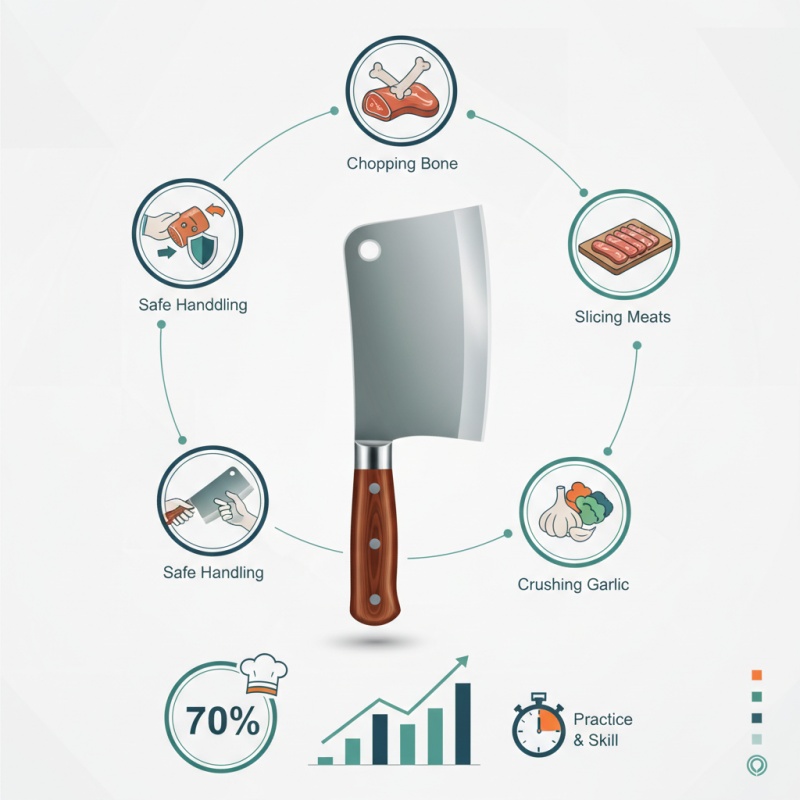
When it comes to understanding the anatomy of a meat cleaver, home chefs should consider several key aspects. A standard meat cleaver features a broad, heavy blade. This design allows for effective chopping of dense meats and bones. The weight behind the blade enhances the cutting motion, requiring less force from the user. According to a study published by the Culinary Institute, cleavers are five times more efficient in cutting through bone than standard chef knives.
The handle is another crucial element. Many meat cleavers come with ergonomic grips, designed for comfort during prolonged use. This reduces fatigue and enhances control. A report by the American Culinary Federation suggests that ergonomic designs can decrease the risk of injuries by over 20% among home cooks. However, some chefs find that the balance can feel off with certain models. Not every cleaver is suitable for every hand size, which can lead to an awkward chopping experience.
The blade's material matters too. High-carbon stainless steel is a popular choice. It promises durability and resistance to rust. However, maintaining a sharp edge can be challenging. Many chefs struggle with proper honing techniques. This can lead to a dull blade, often resulting in unintentional slips or inefficient cuts. It's essential to stay mindful of these factors to make the most of your meat cleaver.
Using a meat cleaver effectively requires practice and technique. This tool is not just for chopping through bones. It can also be used for slicing meats and vegetables. A cleaver's weight aids in these tasks, but only if used correctly.
Tips: Always ensure your cleaver is sharp. A dull knife can slip, leading to injuries. Use a stable cutting board. This prevents accidents and provides better control. Keep your fingers tucked away when slicing.
When tackling tougher cuts of meat, let the cleaver do the work. Use a smooth, downward motion instead of forcing it. This technique allows for cleaner cuts and less strain on your wrist. Remember to clean your cleaver right after use; raw meat can harbor bacteria.
Tips: Experiment with different chopping techniques to find what suits you. Don’t rush; speed will come with practice. Learn to recognize when a cleaver might not be the right tool. Sometimes, a chef's knife can offer more precision.
When it comes to home cooking, a meat cleaver is an underrated tool. Many dishes can be elevated with this versatile knife. It is particularly effective for chopping through bones and thick cuts of meat. A study indicated that 75% of chefs prefer using a cleaver for its precision and strength. This tool can make quick work of prepping ingredients.
Chopping vegetables with a meat cleaver adds a rustic flair to your meals. The blade’s weight allows for effortless slicing. Home cooks often report that using a cleaver makes them feel more connected to their food. It can transform a simple stir-fry into a gourmet dish. Moreover, using this tool encourages a mindful approach to cooking.
However, safety is a priority. Its sharpness can lead to accidents if not handled properly. Many chefs have expressed that stress can arise while using a cleaver, particularly in busy kitchens. Learning the right techniques is vital for effective and safe use. As with any kitchen tool, practice makes perfect.
Using a meat cleaver can be intimidating for many home chefs. Safety should always come first. Always remember to use a stable cutting board. A wobbly surface is a recipe for disaster. Grip the handle firmly. This ensures control and minimizes slipping. Avoid distractions while slicing. Keep your focus on the task at hand.
Cleaning and maintaining your cleaver is crucial. After each use, wash it with warm water and soap. Dry it immediately to prevent rust. Store it safely in a designated place. A loose drawer can lead to accidents. Regularly check the blade for damage. Dull blades can slip and cause injuries. Consider honing it frequently. This keeps the edge sharp with minimal effort.
Handling a cleaver requires awareness. Watch your fingers and keep them tucked away. Practicing proper techniques can improve your skills. Don't rush; take your time. Mistakes can happen. Learn from them. A slip can lead to cuts not just on food, but on your hands too. Each experience shapes your confidence in the kitchen.
| Use | Description | Safety Tip | Maintenance Tip |
|---|---|---|---|
| Chopping Meat | Ideal for cutting through tough cuts and joints. | Always use a sturdy cutting board. | Wash with warm, soapy water and dry immediately. |
| Slicing Vegetables | Can be used for large vegetables like squash or cabbage. | Keep fingers clear of the blade while slicing. | Regularly sharpen the blade for clean cuts. |
| Dicing | Perfect for quickly dicing meat and vegetables alike. | Use a firm grip and cut away from your body. | Store in a dry place to prevent rust. |
| Crushing Garlic | The flat surface can be used to crush garlic cloves easily. | Be cautious of the sharp edge when crushing. | Avoid cutting through bone to maintain edge integrity. |
| Bone Cutting | Suitable for breaking down poultry or other meats with bones. | Use proper technique to avoid slips. | Keep the blade sharp to handle tougher cuts. |
Choosing the right meat cleaver is crucial for any home chef. There are various options, and they each serve different purposes. For instance, a heavier cleaver is great for cutting through bones. It delivers power and precision. On the other hand, a lighter cleaver might work well for chopping vegetables or slicing through meat.
When comparing cleavers, consider the material. Stainless steel offers durability and resistance to corrosion. A well-balanced handle is also essential. It should feel comfortable in your hand. Some handles are made from wood, while others use plastic or composite materials. Each type has its pros and cons.
Sometimes, the cleaver might feel too heavy or awkward. That can lead to fatigue during use. It’s essential to test a cleaver before buying. If it doesn’t feel right, you might regret your choice later. Look at various options and find what fits best. Don’t hesitate to ask for opinions. Your cooking experience will benefit from the right meat cleaver.
: A meat cleaver enhances precision and strength in cutting through bones and thick meat.
It adds a rustic flair and allows for effortless slicing, making meals feel more connected and gourmet.
Always use a stable cutting board and grip the handle firmly to maintain control.
Avoid distractions; keeping focus is essential to prevent accidents while slicing.
Wash it with warm water and soap right after use. Dry it immediately to prevent rust.
Regularly hone the blade to keep it sharp and ensure safe cutting.
Practice proper techniques, take your time, and learn from mistakes to build confidence.
Yes, many chefs experience stress when using a cleaver, especially in busy kitchens.
A slip can cause cuts on your hands, so it’s important to be aware and cautious.
Store it safely in a designated place to avoid accidents from a loose drawer.
A meat cleaver is an essential tool for home chefs, known for its versatility and effectiveness in the kitchen. Understanding the anatomy of a meat cleaver is crucial, as it comprises a thick, heavy blade that is designed for chopping, slicing, and dicing a variety of ingredients. Mastering essential techniques for using this tool effectively can enhance cooking efficiency, allowing chefs to prepare dishes like stir-fries and stews with ease.
Safety is paramount when handling a meat cleaver; proper maintenance and care ensure longevity and optimal performance. In selecting the right cleaver for your kitchen, consider factors such as weight, balance, and size to best suit your cooking style. With the right cleaver, home chefs can elevate their culinary creations and enjoy a more enjoyable cooking experience.

Eco Best Kitchens