Preventing cross-contamination in food preparation is crucial for maintaining food safety. Renowned food safety expert Dr. Lisa Yates emphasizes, "Proper techniques reduce the risk of foodborne illnesses." Her insight highlights the importance of vigilance in our kitchens.
In every kitchen, understanding how to prevent cross-contamination in food prep is essential. It involves more than just washing hands. Separate cutting boards for meats and vegetables are a key strategy. Using color-coded utensils helps reinforce these practices. Additionally, cleaning surfaces frequently cannot be overlooked.
Despite our best efforts, mistakes can happen. A slip in using the same knife for raw chicken and vegetables can lead to serious consequences. Regular training and awareness can help prevent these lapses. Everyone should strive for improvement and commit to better habits in food safety. A conscientious approach can make all the difference.
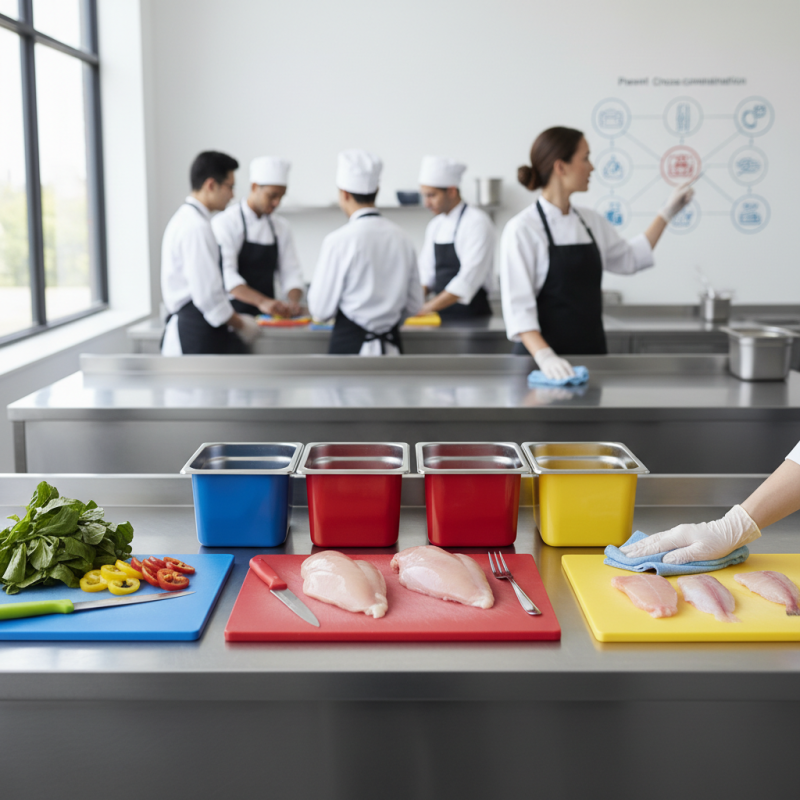
Understanding cross-contamination in food prep is crucial for maintaining food safety. This often occurs when harmful bacteria spread from one surface or food item to another. For instance, using the same cutting board for raw meat and fresh vegetables can lead to serious health risks. It is vital to recognize that even minor oversights can have harmful consequences on food quality and safety.
Proper handling techniques can significantly reduce the risk of cross-contamination. Always use separate utensils and cutting boards for different food types. Color-coded tools can help maintain clarity. Wash hands thoroughly between food preparations, especially after handling raw products. This basic practice can prevent bacteria from spreading unnoticed.
Reflecting on personal habits can also improve safety in the kitchen. Many may overlook cleaning surfaces after each use. It’s easy to think "just a quick meal" won’t require extra steps. However, these quick meals can still pose risks. Developing mindful habits will lead to safer cooking experiences. Each step counts in the overall goal of a clean and safe kitchen environment.
Cross-contamination can happen easily in the kitchen. Raw meats, unwashed vegetables, and dairy products can all carry harmful bacteria. To prevent this, keep different food types separate. Use separate cutting boards for raw meats and vegetables. Wash your hands frequently, especially after handling raw foods. It might seem tedious, but it is essential for food safety.
Another critical practice is cleaning surfaces regularly. A quick wipe-down with hot, soapy water can make a big difference. Don’t forget to sanitize sponges and dishcloths often. Often, we overlook these tools, thinking they are clean just because they look good. Remember, the key to safe food handling is vigilance. Small lapses in cleaning can lead to significant health risks. Trust your instincts and always double-check your processes.
When preparing food, proper cleaning techniques are crucial to prevent cross contamination. Cleaning surfaces, utensils, and hands can significantly reduce the risk of harmful bacteria spreading. Ensure to clean countertops with hot, soapy water. This simple step decreases the likelihood of contamination.
Tips: Always wash your hands for at least 20 seconds before cooking. It’s easy to forget this step. Rinse both sides of your knife and cutting board after each use. Don’t just wipe them; a thorough wash makes a difference. Use separate sponges for dishes and surfaces. They can harbor bacteria if used interchangeably.
Cleaning fruits and vegetables is often overlooked. Rinse produce under running water, even if you plan to peel them. This helps remove dirt and bacteria. Consider using a brush for thicker-skinned fruits and veggies. It’s a small effort that ensures safety. Remember, a clean kitchen is a safe kitchen. The consequences of neglect can be severe.
When it comes to food storage, understanding the differences between raw and cooked foods is essential. Store raw meats on the bottom shelves of the refrigerator. This prevents juices from dripping onto other foods. Use airtight containers for cooked meals to avoid contamination. Label these containers with dates to keep track of their freshness.
Another important point is maintaining appropriate temperatures. Keep the fridge below 40°F (4°C) and the freezer at 0°F (-18°C). Regularly check your appliances to ensure they are working correctly. Always defrost food in the refrigerator rather than at room temperature. This avoids harmful bacteria growth.
Some may neglect the importance of cleaning storage areas. Dirt and spills can lead to cross-contamination. Regularly disinfect surfaces and containers. It's crucial to be aware of how these details impact overall food safety. Everyone makes mistakes; improving habits requires effort and reflection.
Cross contamination is a critical issue in food safety. Educating staff on this topic is vital for reducing risks. Research shows that improper food handling is a leading cause of foodborne illnesses. According to the CDC, about 48 million people each year experience foodborne illnesses in the United States alone.
Training programs should emphasize the importance of separating raw and cooked foods. Staff must understand that bacteria can easily transfer from one surface to another. A simple example is using the same cutting board for raw chicken and vegetables. This practice can lead to dangerous contamination. Visual aids can help illustrate these points clearly during training sessions.
Regular quizzes and hands-on demonstrations are effective ways to reinforce knowledge. These methods encourage staff to ask questions and clarify doubts. Feedback from these sessions can help identify gaps in understanding. Maintaining an open line of communication fosters an environment where staff feel confident discussing cross contamination risks. Educating staff is not a one-time effort. It should be an ongoing initiative to ensure safety standards are consistently met.
| Tip | Description | Frequency | Responsibility |
|---|---|---|---|
| Use Separate Cutting Boards | Designate specific cutting boards for meats, vegetables, and dairy to prevent cross contamination. | Every Day | All Staff |
| Hand Washing | Staff must wash hands thoroughly before and after handling different food types. | Before Each Shift | All Staff |
| Proper Storage | Store raw food at the bottom of the refrigerator to avoid dripping onto ready-to-eat items. | Every Shift | Kitchen Staff |
| Regular Cleaning | Clean and sanitize work surfaces and equipment regularly during food preparation. | After Every Use | Cleaning Staff |
| Use Gloves | Wear gloves when handling food, especially ready-to-eat items to minimize contact. | As Needed | Kitchen Staff |
: Use hot, soapy water to clean countertops. This reduces contamination risk significantly.
Wash your hands for at least 20 seconds. It's a simple yet often overlooked step.
Rinse both sides of your knife and cutting board after each use. A thorough wash is essential.
Rinse produce under running water, even if peeling them. This removes dirt and bacteria effectively.
Always place raw meats on the bottom shelves. This prevents juices from dripping onto other foods.
Airtight containers help avoid contamination. Label them with dates to track freshness.
Keep the fridge below 40°F (4°C) and check the appliances regularly.
Always defrost food in the refrigerator, not at room temperature. This prevents harmful bacteria growth.
Dirt and spills can lead to cross-contamination. Regular disinfection is necessary for food safety.
Reflect on mistakes and strive to improve cleaning and storage habits over time.
Preventing cross-contamination in food preparation is crucial for ensuring food safety and protecting public health. To effectively address how to prevent cross-contamination in food prep, it is essential to understand the various ways contamination can occur during food handling. Implementing essential practices, such as using separate cutting boards for raw and cooked foods and regularly sanitizing surfaces, can significantly reduce the risk.
Moreover, proper cleaning techniques, including thorough washing of utensils and equipment, play a vital role in combating contamination. Effective storage methods for raw and cooked foods—such as keeping them at appropriate temperatures and in clearly labeled containers—can further minimize risks. Finally, educating staff about cross-contamination awareness is paramount, as informed personnel can adopt these safe practices, leading to a safer food preparation environment.

Eco Best Kitchens