Chopping boards are essential tools in kitchens worldwide. However, they can harbor harmful bacteria if not cleaned properly. Safe cleaning of chopping boards is crucial for overall health. Understanding how to maintain and clean chopping boards safely can significantly reduce the risk of foodborne illnesses.
Many people underestimate the importance of regular cleaning. Cross-contamination can occur easily when using boards for various foods. For instance, cutting raw meat and then vegetables without proper cleaning poses serious health risks. It's important to recognize that not all board materials require the same cleaning methods. Wooden boards, for example, need special care to avoid damage.
Neglecting safe cleaning practices can lead to illness. Bacteria thrive on surfaces that are not properly sanitized. Ensuring cleanliness goes beyond a quick rinse. Attention to detail, like using designated boards for different food types, is essential. By prioritizing safe cleaning methods, you can create a healthier kitchen environment.
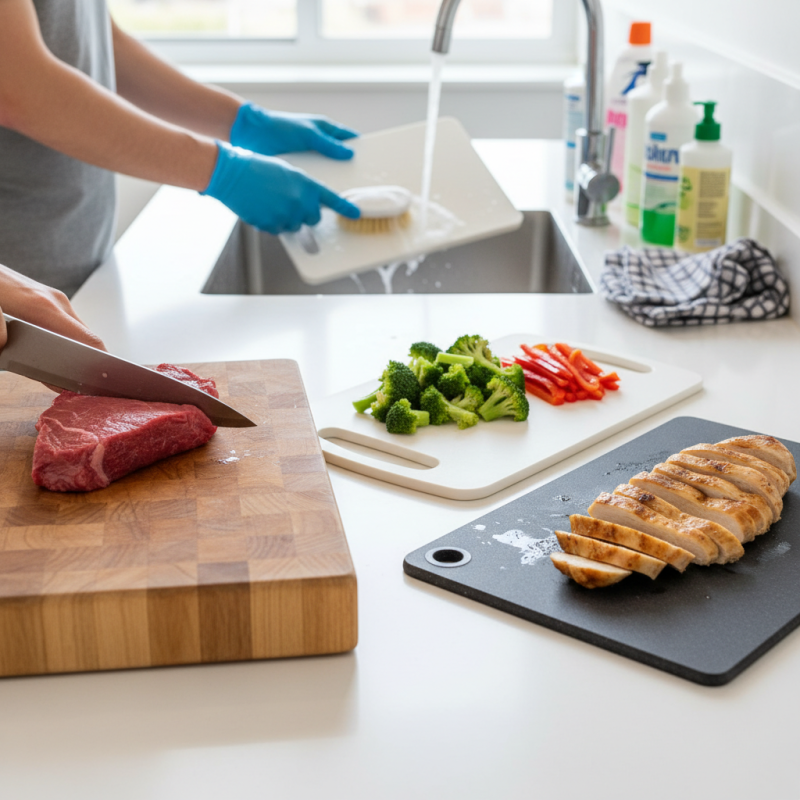
In the realm of food preparation, maintaining hygiene in kitchen areas is crucial. Studies show that approximately 48 million people fall ill from foodborne diseases each year in the U.S. alone. Chopping boards can harbor harmful bacteria. These boards may hold pathogens like Salmonella and E. coli, which can lead to serious health issues. A simple cut or crack can trap bacteria, making it hard to clean effectively.
Proper cleaning methods are vital. For instance, using hot, soapy water and sanitizers can reduce bacteria levels significantly. The USDA recommends washing cutting boards after each use. Not adhering to these guidelines increases the risk of cross-contamination. A study found that improper cleaning raises the chance of spreading bacteria by 60%. This statistic highlights the need for rigorous hygiene practices in food prep areas.
Additionally, awareness of hygiene extends beyond just cleaning. Training in safe food handling is often neglected. Many food handlers don’t realize the implications of neglecting cleanliness. Even small lapses can have serious consequences. Improved training and strict adherence to cleaning protocols can elevate food safety considerably. These steps ensure that meals prepared in any kitchen are safe from contamination.
: Chopping boards can harbor harmful bacteria, leading to foodborne illnesses. Regular hygiene is crucial for safety.
Use hot, soapy water and a scrub brush. Rinse thoroughly afterwards to remove bacteria and food particles.
Studies show brushes are more effective than sponges for eliminating bacteria on chopping boards. Choose wisely.
Always dry your chopping board completely. A damp surface promotes bacterial growth, which can be dangerous.
Regularly check for deep cuts or scratches. A worn board may need replacement to ensure safety.
Yes, a vinegar solution can help deodorize and sanitize chopping boards. Use it for an extra clean.
Use separate boards for raw meat and vegetables. This prevents harmful bacteria from spreading to other foods.
Some experts suggest replacing wooden boards every few years to maintain hygiene and safety in the kitchen.
Maintaining hygiene in food preparation areas is crucial for preventing foodborne illnesses, and chopping boards are often a breeding ground for harmful bacteria if not cleaned properly. Understanding the risks associated with contaminated chopping boards is essential for any kitchen, as pathogens can transfer from raw foods to ready-to-eat items, leading to serious health implications. Effective techniques for cleaning chopping boards include using hot, soapy water and appropriate sanitizers that target bacteria specific to food contact surfaces.
Furthermore, the materials of chopping boards play a significant role in their safety; for instance, non-porous surfaces are easier to clean and less likely to harbor bacteria. To ensure the longevity and hygiene of chopping boards, it is vital to implement preventive measures, such as regular inspection for cracks and scratches, which can trap pathogens. Learning how to maintain and clean chopping boards safely is fundamental to ensuring a healthy cooking environment and safeguarding against cross-contamination.

 Eco Best Kitchens