Choosing the right knives for home cooking is essential for any culinary enthusiast. In 2026, the knife market is projected to grow by 15% annually, reflecting a rising interest in home cooking. According to a report by the Culinary Institute of America, “Quality knives enhance both the cooking experience and food presentation.” This emphasizes the need for understanding how to select knives for home cooking.
Experts like Chef Eric Boulanger highlight that a good knife can change your approach to meal preparation. “A well-balanced knife feels like an extension of your hand.” This statement echoes the sentiment among professionals about the importance of comfort and control in knife selection.
However, the variety of knives available can be overwhelming. Each knife serves a specific purpose, from slicing to dicing to mincing. Home cooks often overlook the importance of factors like blade material and handle design. As trends evolve, so does the need for a thoughtful approach to choosing kitchen tools. Investing time in learning will ultimately lead to better results in the kitchen.
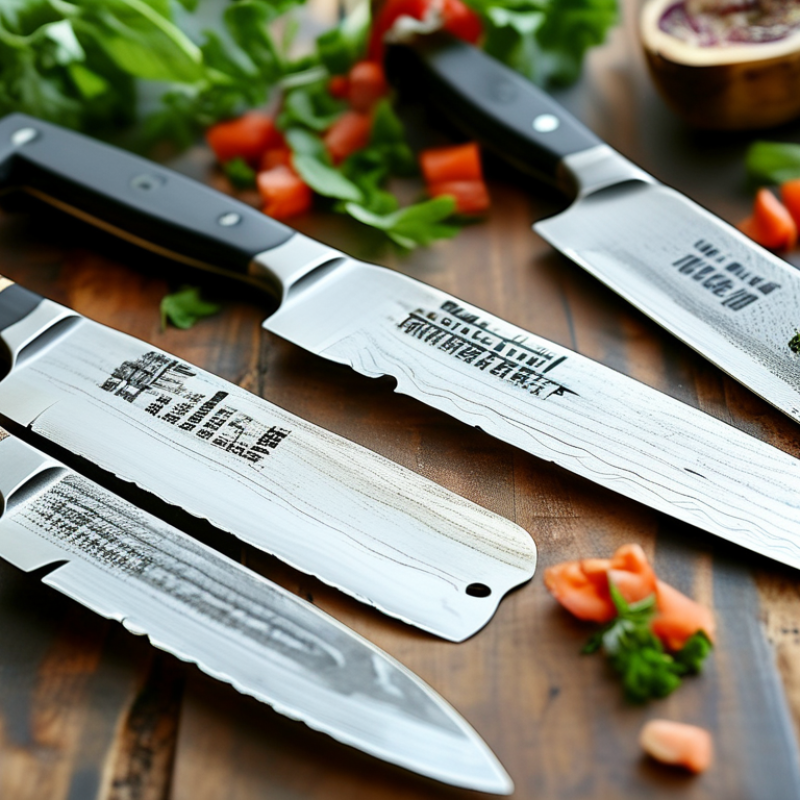
When selecting the best knives for home cooking, understanding the different types is crucial. Chef's knives, for example, are versatile tools ideal for chopping and slicing. They typically have a sharp edge and a comfortable grip. However, not everyone feels at ease using a knife of this size. It requires practice and technique to master its use effectively.
Paring knives, on the other hand, are smaller and are perfect for delicate tasks. Peeling fruits or deveining shrimp can be more manageable with this knife. Many home cooks overlook them, but a good paring knife often makes all the difference. While not as intimidating as a chef's knife, they still demand respect. Using them requires attention; otherwise, accidents can happen.
Specialty knives also deserve consideration. A serrated knife excels in slicing bread, while a boning knife works well for meats. Each knife serves a specific function. But, keeping a diverse set of knives can be tricky for storage. It's essential to find balance. A well-rounded collection enhances your cooking, but overcrowding your kitchen can lead to disorganization and stress. Choosing the right knives can elevate your culinary experience, but the process requires reflection on your habits and needs.
: High-carbon stainless steel is ideal for longevity. It provides a sharp edge and resists corrosion well.
Different materials like wood and plastic offer unique pros and cons. Wood is comfortable but needs maintenance, while plastic is easy to clean.
A well-balanced knife feels lighter and is easier to control. It enhances safety and efficiency while cutting.
Always wash knives by hand. Use mild soap and a soft sponge, rinse thoroughly, and dry immediately to prevent rust.
Dull knives are dangerous. They require more force, increasing the chance of slips and accidents in the kitchen.
Regular honing keeps the edge aligned. Invest in a good sharpener or use a professional service for better results.
Store knives in a block or on a magnetic strip. Avoid drawer storage to prevent dulling and damage.
Regular care is essential for longevity. Reflect on your cleaning and storage habits to maximize your knives' lifespan.
Choose handle shapes that match your cooking style for comfort and control. Ergonomic designs help reduce hand fatigue.
Absolutely. Proper care prolongs life and enhances performance. Think about your habits and their impact on knife longevity.
When considering how to select knives for home cooking, it's essential to understand the different types of kitchen knives available. This involves recognizing specific knife functions and their respective applications, whether for chopping, slicing, or dicing. An evaluation of knife materials, particularly steel types and handle designs, can greatly influence the longevity and performance of your kitchen tools.
Additionally, knife sizes and shapes should be assessed based on the variety of cooking tasks you often engage in, ensuring versatility in your kitchen. It is also important to consider the reputation and quality of the brands you are looking at, as these factors can significantly affect your selection process. Finally, implementing proper maintenance and care tips will help prolong the life of your knives, ensuring they remain reliable tools for your culinary adventures.

 Eco Best Kitchens