Sanitizing cutting boards is essential for food safety. Cross-contamination can lead to foodborne illnesses. Many people overlook this task, assuming it is sufficient to wash with soap and water. However, using proper techniques ensures a healthier kitchen.
Understanding how to sanitize cutting boards for food safety starts with choosing the right materials. Some boards, like plastic, are easier to clean than wooden ones. Yet, wooden boards have unique properties that can also be effective when cared for correctly.
Using natural disinfectants, like vinegar or lemon juice, can enhance the sanitizing process. Regularly inspecting your cutting boards for deep grooves or scratches is also crucial. These imperfections can harbor bacteria, making it difficult to keep them clean. A thorough sanitizing routine is vital for maintaining kitchen hygiene and protecting your family from foodborne risks.
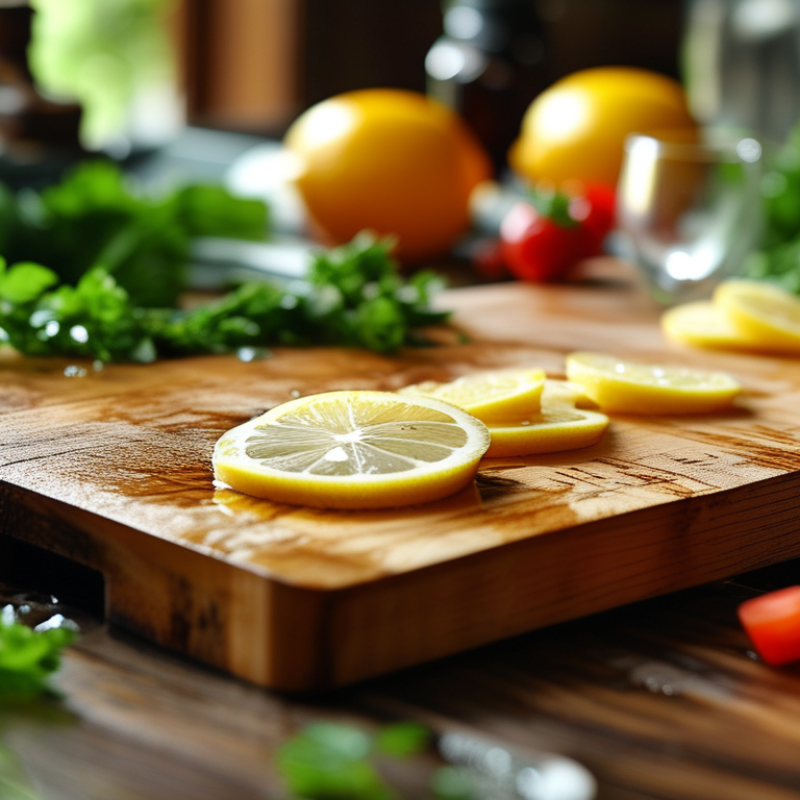
Sanitizing cutting boards is essential for food safety. Many people underestimate the importance of this practice. Bacteria thrive on surfaces that come into contact with raw meat, fish, and vegetables. If not properly sanitized, these boards can transfer harmful pathogens to other foods. Understanding how to sanitize cutting boards effectively can prevent foodborne illnesses.
The process is not complicated, yet it requires diligence. After each use, wash the cutting board with hot, soapy water. Rinse thoroughly to remove all soap residue. Then, apply a sanitizing solution made from diluted bleach or vinegar. Let it sit for several minutes before rinsing again. While this may sound simple, many often skip these crucial steps. A quick rinse is not enough.
Incorporating these sanitizing methods into your kitchen routine can make a significant difference. Pay attention to your boards, especially if you notice deep grooves or discoloration. These can harbor bacteria. Consider replacing older boards that show signs of wear. Maintaining a clean cutting board is a small effort that contributes greatly to your overall kitchen safety.
Cutting boards are often overlooked in kitchen hygiene. They can harbor various contaminants that pose health risks. Common culprits include bacteria from raw meats, mold from fruits or vegetables, and even allergens from nuts. These can create a breeding ground for germs. It is crucial to recognize that not all cutting boards are created equal. Wooden boards may absorb moisture and harbors bacteria, while plastic boards can become scratched, making them harder to sanitize.
Using a cutting board without proper cleaning can lead to cross-contamination. For instance, if you chop chicken on a board and then use it for vegetables, you risk spreading harmful bacteria. The problem worsens when boards are stored damp or not cleaned adequately after use. Regular inspection of cutting boards can help spot wear and tear, indicating they might need a replacement. A simple visual check can reveal cracks or deep grooves that trap particles. Maintaining food safety starts with understanding these risks and taking steps to mitigate them.
| Tip No. | Sanitization Method | Common Contaminants | Frequency of Cleaning |
|---|---|---|---|
| 1 | Hot, Soapy Water | Bacteria, Mold | After each use |
| 2 | Bleach Solution | E. coli, Salmonella | Weekly |
| 3 | Vinegar Spray | Pathogens, Odors | Daily |
| 4 | Hydrogen Peroxide | Viruses, Bacteria | After cutting raw meat |
| 5 | Lemon Juice | Bacterial Growth | Daily |
| 6 | Boiling Water | Bacteria, Viruses | Before first use |
| 7 | Baking Soda Paste | Stains, Odors | Weekly |
| 8 | Commercial Sanitizers | Bacteria, Yeast | As needed |
| 9 | Scrubbing with Salt | Food Residues, Bacteria | After each use |
| 10 | Air Drying | Mold, Bacteria | After cleaning |
To ensure food safety, it's crucial to maintain clean cutting boards. Recent reports indicate that improper sanitation can lead to cross-contamination. Various cleaning solutions can help eliminate harmful bacteria.
Using a mixture of white vinegar and water is effective. Vinegar shows antibacterial properties against pathogens like E. coli and Salmonella. This solution is easy to prepare and safe for food surfaces. Additionally, a bleach solution with one tablespoon of unscented household bleach mixed with a gallon of water is recommended. It's essential to rinse the board thoroughly after using bleach to avoid chemical residue.
Wooden cutting boards require special care. A paste of baking soda and water can gently scrub away stains and odors. Research from food safety experts suggests that wooden boards harbor fewer bacteria compared to plastic ones, primarily due to their natural antimicrobial properties. Still, regular sanitization is necessary. Many people overlook this, leading to potential foodborne illnesses. A practical tip is to sanitize boards after every use, especially when processing raw meats and vegetables.
Keeping your cutting boards sanitized is essential for food safety. Proper sanitization prevents cross-contamination and keeps your kitchen clean. Here’s a step-by-step guide to effectively sanitize your cutting boards.
Start by cleaning the board with hot, soapy water. Use a sponge or cloth to remove all food residues. Rinse thoroughly and dry with a clean towel. Next, make a sanitizing solution. Mixing one tablespoon of bleach with one gallon of water works well. Submerge the board in this solution for at least one minute. If your board is made of wood, consider using vinegar instead. It’s a natural disinfectant that is less harsh.
After sanitization, make sure to air dry the boards completely. Moisture can lead to bacteria growth. It's critical to check for any deep grooves that may harbor germs. Inspect your boards for wear and tear. Replace them if they show significant damage. Remember, a well-maintained cutting board can last for years, but neglecting it can lead to safety hazards. Regular sanitization is key to a safe and healthy kitchen.
Maintaining cutting board hygiene is essential for food safety. Start by choosing the right type of board. Wooden and plastic boards each have their benefits. Wooden boards can be more sanitary because they self-heal from knife cuts. However, plastic boards are often easier to sanitize.
Regular cleaning is key. After each use, wash the board with hot, soapy water. Rinse thoroughly and dry with a clean towel. For deeper sanitation, consider a vinegar and water solution. This can help eliminate odors and bacteria. Do remember to check for deep grooves. These can harbor germs and might require replacing the board.
Avoid complacency in board care. Many overlook the need for periodic deep cleaning. A mixture of baking soda and water can tackle tough stains and smells. Don't forget to sanitize after cutting raw meats. Failing to do so can lead to cross-contamination. With proper attention, you can ensure a safe cooking environment.
: It prevents bacteria from transferring to other foods.
Wash with hot, soapy water, rinse, then use a sanitizing solution.
A mix of vinegar and water is effective. Bleach solutions also work well.
Let it sit for several minutes before rinsing again.
Yes, replace them if they show deep grooves or discoloration.
Wooden boards tend to harbor fewer bacteria due to their antimicrobial properties.
Many people skip thorough rinsing after applying sanitizing solutions.
After every use, especially when raw meat and vegetables are involved.
Improper sanitation can lead to foodborne illnesses.
Rinse thoroughly after using bleach. Avoid chemical residue on boards.
Sanitizing cutting boards is crucial for ensuring food safety, as they often harbor various contaminants such as bacteria from raw meats and produce. Understanding the importance of cleaning these surfaces can significantly reduce the risk of cross-contamination in your kitchen. There are several effective cleaning solutions and methods available, and knowing how to sanitize cutting boards for food safety is essential for any home cook.
A step-by-step guide involves thoroughly cleaning the board with soap and hot water, followed by using a sanitizing solution like diluted bleach or vinegar. Regular maintenance practices, such as avoiding cross-use between raw and cooked foods and periodic deep cleaning, further enhance the hygiene of cutting boards. By following these best practices, you can ensure your cutting tools remain safe and sanitary for food preparation.

Eco Best Kitchens