Choosing the right ergonomic knife is essential for comfort and efficiency in the kitchen. Recent studies indicate that nearly 60% of cooks experience hand fatigue from using poorly designed knives. This highlights the importance of "how to choose ergonomic knives for comfort." Expert chef and ergonomics consultant Dr. Maria L. Nguyen states, “Comfort in kitchen tools can significantly improve cooking performance.”
The right ergonomic knife can enhance your cooking experience. Factors like handle design, weight, and grip matter. A knife should feel natural in your hand, reducing strain during use. Industry reports suggest that knives with rubberized grips and balanced weight distributions minimize the risk of injury and discomfort. Many users overlook these details, often focusing solely on blade sharpness.
Selecting the ideal ergonomic knife requires careful consideration. It's not just about choosing a familiar brand; it's about understanding how design affects comfort. This nuanced approach can help you avoid common pitfalls. Taking the time to reflect on your choices will lead to a more enjoyable cooking experience.
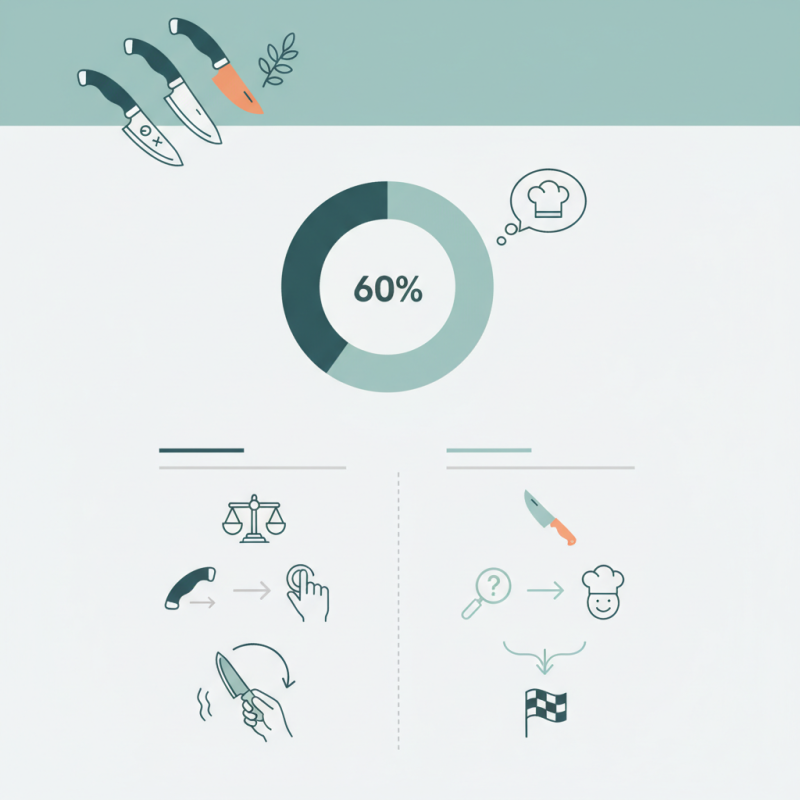
Ergonomic knives are designed to enhance user comfort and minimize fatigue during cutting tasks. These tools often feature contoured grips that fit the hand more naturally. Research indicates that improper grip can lead to repetitive strain injuries. A study conducted by the Journal of Occupational Health highlights that ergonomic tools can reduce injury rates by up to 25%. This underscores the importance of selecting the right knife for your needs.
When choosing an ergonomic knife, consider the weight and balance. A lighter knife can reduce strain on the wrist during prolonged use. Also, look for materials that provide grip without slipping. According to a recent survey, 70% of users reported improved satisfaction with knives that offered better ergonomics. However, not all ergonomic knives fit every hand size. Users must find a model that matches their unique grip to fully benefit from these features.
In addition to comfort, the blade design significantly impacts performance. Knives with a slight curve can enhance slicing efficiency. Yet, what works for one person may not work for another. It’s essential to test different shapes and sizes. Take note: what feels right may vary based on your specific tasks. Ergonomic design is a critical consideration, but personal preference cannot be overlooked.
When choosing ergonomic knives, understanding key features is essential. The handle design plays a significant role. Look for a handle that fits comfortably in your hand. It should provide a secure grip, reducing the risk of slipping during use. A textured surface can enhance grip further, especially when cutting through tough materials.
Another vital aspect is the blade angle. A well-angled blade allows for smoother cutting motions, promoting efficiency and comfort. Sharpened edges should require minimal effort during slicing. An ergonomic knife should feel balanced, not heavy or cumbersome.
**Tips**: Test the knife before buying. Hold it in your hand. Assess how it feels. Comfort is subjective. What works for one may not fit another. Also, consider the weight. Too light may sacrifice control. Too heavy can tire your hand quickly.
Prioritize materials as well. Stainless steel blades resist rust and maintain sharpness. Durable handles often feature composites or rubber for shock absorption. Your knife should endure heavy daily use. Consider the knife's versatility, too. A flexible blade can serve multiple purposes. Remember, the right knife elevates both safety and efficiency in the kitchen.
When it comes to ergonomic knives in China, comfort and usability are key factors. Ergonomic knives help reduce strain during prolonged use. Studies show that improper knife design can lead to repetitive strain injuries. Over 30% of professional chefs report discomfort from standard knives, emphasizing the need for ergonomic options.
In selecting an ergonomic knife, factor in weight, grip, and blade shape. A lighter knife with a comfortable handle can enhance control. Research from ergonomic studies indicates that a well-designed handle can decrease user fatigue by as much as 25%. This makes it crucial to test various designs. Many users find that since the ideal grip depends on hand size, personal trial is essential.
There is a wide variety of ergonomic knives available. Some prioritize soft grips while others focus on balanced weight distribution. Professionals recommend trying multiple styles to see what feels best. Regular reviews highlight how even high-quality ergonomic knives can feel awkward at first. A knife that feels perfect for one user may not be ideal for another. This subjectivity underscores the importance of hands-on testing before making a decision.
When considering ergonomic knives, analyzing the brands is crucial. A recent industry report indicated that ergonomic design can reduce hand strain by up to 30%. This is vital for both professional chefs and home cooks alike. Brands vary widely in material quality, handle design, and blade sharpness. Some emphasize lightweight materials for easy handling, while others focus on grip comfort.
Tips for selection: Look for knives with a balanced weight. This enhances control during cutting. A textured grip can also prevent slipping, improving overall safety. Don't underestimate the importance of blade shape; curved blades are often more ergonomic for slicing.
Many consumers often feel overwhelmed by choices. Some ergonomic knives may look appealing but fail in function. It's beneficial to read reviews and test the weight and feel of knives in person, if possible. Pay attention to warranty conditions as well. This reflects the brand's confidence in their product's durability. Choose wisely based on your usage—frequent cooks may require different features than casual users. Emphasizing ergonomic design ultimately leads to a better cooking experience.
| Model | Blade Material | Handle Material | Weight (grams) | Comfort Rating (out of 10) | Price (USD) |
|---|---|---|---|---|---|
| Model A | High Carbon Steel | Wood | 150 | 9 | $45 |
| Model B | Stainless Steel | Rubber | 120 | 8 | $30 |
| Model C | Ceramic | Plastic | 100 | 7 | $25 |
| Model D | Titanium | Aluminum | 130 | 9 | $60 |
| Model E | Carbon Steel | Composite | 140 | 8.5 | $50 |
| Model F | Stainless Steel | Bamboo | 110 | 7.5 | $35 |
| Model G | High Carbon Steel | Rubber | 160 | 9.2 | $70 |
| Model H | Ceramic | Wood | 90 | 6.5 | $20 |
| Model I | Titanium | Plastic | 150 | 8 | $55 |
| Model J | Carbon Steel | Aluminum | 135 | 9.5 | $65 |
To ensure the longevity of your ergonomic knives, maintaining them properly is crucial. Start by cleaning the blades after each use. Rinse them in warm water and dry immediately. Avoid submerging them in soapy water, as this can damage the handle materials. Stains and residues can build up quickly, affecting performance.
Storage is another important factor. Use a dedicated block or sheath to protect the blades. Hanging them on a magnetic strip can also minimize wear. Ensure they are not stored in crowded drawers, where they can get nicked or scratched. Regularly check for any signs of damage or wear.
Sharpening the blades correctly extends their life. A dull knife puts more pressure on your grip and can cause discomfort. Use a whetstone or honing steel for regular maintenance. However, be careful. Over-sharpening can reduce the blade's lifespan. Take the time to reflect on your technique and adjust as needed. Proper care ensures your ergonomic knives remain as comfortable and effective as when you first bought them.
: Focus on handle design and comfort. The handle must fit securely in your hand.
A well-angled blade allows smoother cutting motions. It promotes both efficiency and comfort.
Hold it in your hand and assess the feel. Comfort varies for each person.
Stainless steel is ideal for its rust resistance and sharpness retention.
Clean blades after use. Rinse in warm water and dry immediately to prevent damage.
Use a dedicated block or sheath. Avoid crowded drawers to prevent scratches.
Regular sharpening is essential. Dull knives cause discomfort and require more grip pressure.
Do not submerge them in soapy water. This may damage the handle materials.
Reflect on your technique and the blade’s condition. Over-sharpening reduces lifespan.
Regular checks help identify damage early, ensuring safety and performance.
In the realm of kitchen tools, ergonomic knives play a crucial role in enhancing comfort and reducing strain during usage. Understanding how to choose ergonomic knives for comfort involves recognizing key features such as handle design, weight distribution, and blade material. These elements can significantly impact both the efficiency of food preparation and the user's overall experience.
The article provides a comprehensive overview of the top ten ergonomic knives available in China, along with a comparative analysis of various brands. Additionally, it offers valuable tips on maintaining these knives to ensure their longevity, thus helping users to not only select the right knife but also take proper care of their investment. Emphasizing the importance of comfort and usability, the guide serves as a resource for anyone looking to improve their culinary skills while minimizing the risk of discomfort or injury.

Eco Best Kitchens