When considering kitchen safety, the choice of cutting board materials is crucial. Each material offers unique benefits and considerations. Renowned food safety expert Dr. Emily K. Johnson emphasizes, "Choosing the right cutting board can significantly reduce foodborne illness risk." This statement highlights a growing concern among chefs and home cooks alike: what is the safest material for cutting boards?
In the pursuit of the safest options, many buyers are left puzzled. Wood, plastic, and bamboo are common contenders, but they differ vastly in safety and hygiene. For instance, hardwood boards resist knife marks and bacteria more effectively than softwoods or even some plastics. However, plastic boards are often favored for their ease of cleaning. Reflecting on personal experiences can guide decisions; some may prefer the warmth of wood, while others prioritize easy maintenance.
Ultimately, the imperfect nature of each option necessitates careful consideration. The debate continues around what is the safest material for cutting boards, influencing decisions in kitchens worldwide. Understanding these materials empowers buyers to make informed choices for healthier cooking practices.
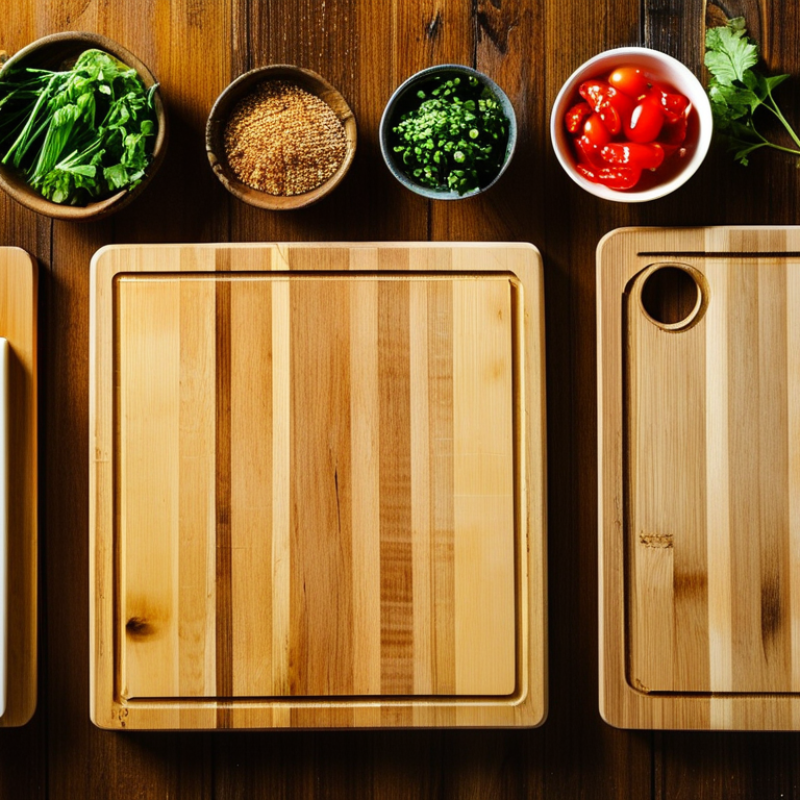
Top 10 Safe Cutting Board Materials Available for International Customers
When considering cutting boards, safety is a top priority. Selecting the right material is crucial for both health and hygiene. Various options exist that cater to international buyers, ensuring a balance between functionality and safety.
Popular materials include bamboo, which is lightweight and eco-friendly. Bamboo boards resist knife marks, making them less prone to bacterial growth. However, they can be challenging to maintain, requiring proper care to avoid cracking. Another favored option is hardwood, known for its durability and resistance to wear. It boasts natural properties that keep bacteria at bay, but proper seasoning is necessary for longevity.
Plastic cutting boards are also widely available and often favored for their ease of use. They are dishwasher safe, promoting thorough sanitation. However, they can develop deep grooves from knife use, where bacteria might hide. Finally, silicone boards offer flexibility and safety, being non-slip and easy to clean. They may not provide the same cutting experience as wood or bamboo but represent a safe alternative. Each material has its pros and cons, reminding buyers to reflect on their priorities in terms of safety and maintenance.
Comparative Analysis of Popular Materials Used in Cutting Boards
When selecting cutting board materials, safety is essential. Various options have unique properties. Wood, bamboo, plastic, and glass are common choices. Each material has pros and cons. For instance, wood is gentle on knives but requires proper cleaning to avoid bacteria. Bamboo is eco-friendly, yet its hardness can dull blades quickly.
Tips: Choose a wood board for prep work. It's less likely to cause knife damage. Consider a plastic board for raw meat, as it can withstand higher temperatures during sanitization. Glass boards are visually appealing but can be harsh on knives.
Health concerns arise with some materials. Soft plastics can harbor bacteria if scratched. Glass boards are non-porous but may shatter easily. Overall, select a board that aligns with your cooking habits and maintenance preferences. Always consider your needs first, and avoid impulse purchases based on appearance alone.
Health Benefits and Safety Standards of Each Cutting Board Material
When selecting cutting boards, safety and health are paramount. Different materials offer unique benefits and drawbacks. Bamboo is a popular choice due to its natural antibacterial properties. However, it can be less durable than other options. Plastic boards are convenient and easy to clean, yet they can harbor bacteria in deep grooves over time. Users should be attentive to regular maintenance.
Wooden boards, especially hardwood varieties, are praised for their gentleness on knives. They also possess some antimicrobial qualities. Still, they require proper care to prevent warping or cracking. Glass boards are non-porous and can withstand high temperatures, making them safe for food prep. Nonetheless, they can dull knives quickly and pose a risk of breaking.
Silicone cutting boards are flexible and easy to store. They resist bacteria but may stain easily. Each material has its pros and cons. The safety standards can vary widely, so understanding these factors is crucial for health-conscious consumers. Buyers should research and weigh each option carefully.
Environmental Impact of Different Cutting Board Materials
When discussing cutting board materials, their environmental impact is crucial. Various options exist, such as wood, plastic, bamboo, and glass. Each material has unique implications for sustainability and health.
Wood cutting boards are often praised for being eco-friendly. They are biodegradable and can be sourced sustainably. Research shows that wooden boards can last years longer than plastic ones. However, they require careful maintenance to prevent cracking and bacteria buildup. Conversely, plastic boards are durable but pose recycling challenges. Approximately 90% of plastic waste ends up in landfills, highlighting the need for better disposal practices.
Tips: To maintain wood boards, regularly oil them with food-safe mineral oil. This keeps the surface from drying out. If using plastic, consider recycling programs that accept plastic kitchenware.
Bamboo has become popular due to its rapid growth rate. However, concerns about pesticide use in cultivation arise. Glass boards are non-porous and easy to clean but can be harsh on knives. Their production energy consumption is significant, making them less sustainable overall. Each material's trade-offs in durability, hygiene, and environmental impact require careful consideration. Understanding these factors can lead to smarter choices in the kitchen.
China Top 10 Safest Cutting Board Materials for Global Buyers - Environmental Impact of Different Cutting Board Materials
| Material |
Safety Rating |
Environmental Impact |
Durability (Years) |
Maintenance Level |
| Bamboo |
A+ |
Low |
5-10 |
Low |
| Maple |
A |
Medium |
10-15 |
Medium |
| Teak |
A |
Low |
15-20 |
Medium |
| Plastic (HDPE) |
B+ |
High |
5-10 |
Low |
| Bamboo Composite |
A+ |
Medium |
10-15 |
Medium |
| Glass |
A |
Very Low |
10-20 |
High |
| Rubberwood |
A |
Low |
8-12 |
Medium |
| Ceramic |
B |
Very Low |
Indefinite |
High |
| Stainless Steel |
A |
Low |
20+ |
High |
| Composite |
A |
Medium |
15-25 |
Medium |
Guidelines for Choosing the Right Cutting Board for Your Kitchen Needs
When selecting a cutting board for your kitchen, consider safety and material integrity. Different materials offer various benefits. Wood, for instance, is durable and has natural antimicrobial properties. It can be gentle on knives too. However, care is needed to maintain it. Vinegar and oil can help condition wooden boards, but they may warp if submerged in water.
Plastic boards are lightweight and easy to clean, making them a popular choice. They are dishwasher safe and resistant to stains. Yet, they can develop deep grooves over time, potentially harboring bacteria. Opt for high-density polyethylene for better longevity. Bamboo is a sustainable alternative, yet it can be hard on knife edges and occasionally splinter.
Masonite and glass boards are also options. Masonite is less prone to bacteria but may not withstand heavy use. Glass offers a sleek appearance, but it poses a risk of dulling knives and breaking easily. Each material has its pros and cons. Reflect on your cooking style and safety needs to choose wisely.
Top 10 Safest Cutting Board Materials
FAQS
: Bamboo is safe and eco-friendly. It resists knife marks but needs proper maintenance to avoid cracking.
Hardwood cutting boards are durable and naturally antibacterial. They require seasoning for longevity and proper care.
Yes, they are easy to clean and dishwasher safe. However, deep grooves can harbor bacteria over time.
Silicone boards are flexible and easy to store. They resist bacteria, but they may stain and not cut as well as wood.
Glass boards are non-porous and heat resistant. Unfortunately, they can dull knives quickly and may break.
Proper care prevents warping and cracking. Regular oiling helps keep the surface safe and hygienic.
Bamboo grows quickly, but there are concerns about pesticide use in its cultivation. Research is needed.
Plastic cutting boards are durable, but most end up in landfills. Recycling challenges need to be addressed.
To extend its life, consider using recycling programs for kitchenware. Regular cleaning is essential for hygiene.
Weigh durability, hygiene, maintenance, and environmental impact. Each option has advantages and disadvantages. Reflect on your priorities.
Conclusion
The article titled "China Top 10 Safest Cutting Board Materials for Global Buyers" provides an in-depth analysis of the safest cutting board materials available for international consumers. It begins with a comparative analysis of various popular materials, including wood, plastic, bamboo, and composite options, emphasizing their health benefits and safety standards. Each material is evaluated not only for safety in food preparation but also for its environmental impact, aiding buyers in making informed decisions.
Moreover, the article addresses the question of "what is the safest material for cutting boards," outlining factors such as durability, ease of cleaning, and potential for harboring bacteria. Finally, it offers guidelines for selecting the right cutting board based on individual kitchen needs, ensuring that users can choose a safe and environmentally friendly option that aligns with their culinary practices.

 Eco Best Kitchens