When it comes to food safety, proper cleaning of kitchen tools is crucial. Chopping boards can harbor harmful bacteria, leading to foodborne illnesses. According to the CDC, approximately 48 million people get sick from foodborne diseases each year in the United States alone. This highlights the importance of knowing how to maintain and clean chopping boards safely.
Studies show that wooden cutting boards are less likely to harbor bacteria compared to plastic ones. However, both require specific cleaning methods to ensure safety. Many home cooks remain unaware of the correct techniques. A survey found that 40% of respondents didn't know how often to clean their boards. This indicates a gap in knowledge that can have serious consequences.
Effective methods for cleaning chopping boards exist, yet not everyone follows them. Using hot, soapy water is a start, but research suggests utilizing vinegar or hydrogen peroxide can enhance sanitization. Understanding how to maintain and clean chopping boards safely is essential for every kitchen. With the right information, we can prevent contamination and promote healthier cooking environments.
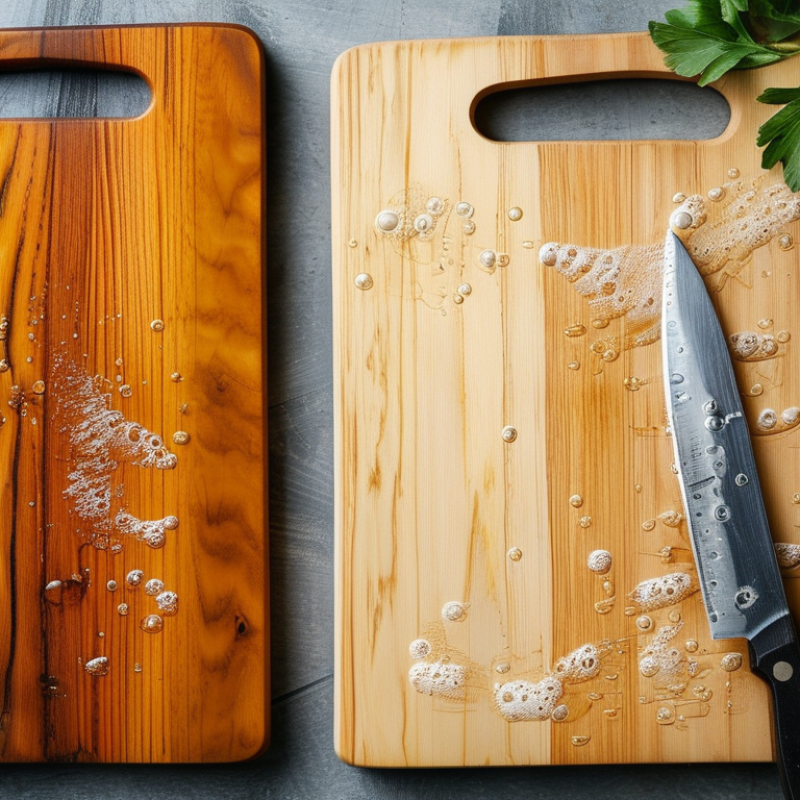
Cleaning chopping boards is crucial for food safety. A well-maintained board can prevent cross-contamination. Different materials require unique care to avoid damage. Wood boards are beautiful but need special attention. They should be hand washed and treated with mineral oil regularly to stay healthy.
Plastic boards, while easier to clean, still require proper techniques. Hot, soapy water works well, but don’t forget to sanitize. A solution of vinegar and water can kill germs effectively. Never let boards soak for too long. This can warp your board and make it unsafe.
Remember, not all boards age gracefully. A cracked or heavily stained board should be replaced. Pay attention to wear and tear. Regular inspection will help maintain your kitchen's hygiene. Using a different board for meat and vegetables is wise. This simple practice greatly reduces contamination risks.
Chopping boards come in various materials, like wood, plastic, and bamboo. Each material has unique properties that impact their cleaning safety. Research indicates 75% of kitchen-related illnesses stem from contaminated surfaces. Understanding the material of your chopping board is essential for effective cleaning.
Wooden boards are often praised for their durability. However, they can harbor bacteria in their grooves. A study from the Journal of Food Protection found that wooden boards can naturally inhibit bacterial growth. To clean them, use mild soap and avoid soaking. This promotes hygiene without damaging the wood.
Plastic boards are less porous and easier to clean. They withstand higher temperatures and are dishwasher safe. Yet, scratches can create hiding spots for bacteria. According to the USDA, frequently replace worn boards to maintain safety. Bamboo boards fall in between; they’re eco-friendly but can also retain bacteria if not cared for properly. Regularly oiling bamboo helps preserve its surface and reduces bacteria retention.
Choosing the right cleaning methods based on material greatly impacts kitchen safety. Each type requires different maintenance to eliminate pathogens. Awareness and a commitment to proper care can make a significant difference in kitchen hygiene.
When it comes to sanitizing wooden chopping boards, a systematic approach is key. Begin by scraping off any food residues. Use a plastic scraper to avoid damaging the wood. Then, rinse the board with warm water. This helps remove surface grime before disinfecting.
Next, prepare a solution using vinegar and water. Vinegar acts as a natural disinfectant. Apply the mixture generously, covering all surfaces. Let it sit for a few minutes before wiping it down. This step is crucial as it allows the solution to penetrate the wood fibers. Afterward, rinse thoroughly with warm water.
To maintain your board's integrity, occasionally rub it with mineral oil. This helps prevent drying and cracking. Be attentive to any signs of wear. Irregularities on the surface may harbor bacteria. Consider re-sanding the board to create a smooth finish if needed. Understanding these nuances fosters a longer-lasting and safer kitchen tool.
Keeping your chopping boards clean is essential for kitchen hygiene. Many home cooks overlook the proper care of their boards, especially those made from plastic and glass. It's important to understand the best practices for sanitizing these materials effectively.
For plastic chopping boards, a simple method involves using hot soapy water. Scrub the board with a sponge, paying attention to seams. Rinse thoroughly. For deeper disinfection, a solution of one part vinegar to four parts water can be effective. Let it sit for ten minutes before rinsing. This method helps neutralize odors and removes stubborn stains. Sometimes, color and wear can be visible. If the board becomes too scratched or stained, it may be time for a replacement.
Glass boards are less porous, making them easier to sanitize, but they can still harbor bacteria if not cleaned properly. Using a mixture of water and baking soda can help in removing tough stains. Apply the paste and scrub gently. Rinse well afterwards. While glass is generally easy to maintain, it’s crucial to handle it with care. Cracks and chips can accumulate grime, so regular inspections and prompt disposal of damaged boards should be a part of your routine.
Cleaning chopping boards effectively is essential for food safety. Many kitchen experts recommend using natural solutions that are not only effective but also safe for families. Research indicates that wooden boards have natural antimicrobial properties, which can reduce bacterial growth. However, proper maintenance is still crucial.
A simple mixture of vinegar and baking soda can help tackle stubborn stains. This combination is effective, as vinegar’s acidity kills bacteria, while baking soda acts as a gentle abrasive. For instance, a study published in the Journal of Food Protection highlights that a vinegar solution can reduce harmful bacteria on surfaces by up to 99.9%.
Lemon juice is another excellent option. It contains citric acid, which can disinfect and add a fresh scent. Rubbing half a lemon on the board and letting it sit for several minutes can provide both cleaning and deodorizing benefits. Yet, some users reported that relying solely on natural options might not eliminate all pathogens. It’s important to recognize these limitations and consider other methods when necessary. Balancing natural solutions with occasional thorough cleaning is key to maintaining safe kitchen practices.
| Method | Ingredients | Instructions | Frequency |
|---|---|---|---|
| Baking Soda Scrub | Baking Soda, Water | Mix to form a paste and scrub the board. | Weekly |
| Vinegar Rinse | White Vinegar | Rinse with vinegar for disinfection. | After every use |
| Lemon Juice Cleaning | Lemon, Salt | Sprinkle salt and rub with lemon half. | Bi-weekly |
| Soap and Water | Dish Soap, Warm Water | Wash with soapy water and rinse. | Daily |
| Hydrogen Peroxide Spray | Hydrogen Peroxide | Spray and let it sit before rinsing. | Monthly |
| Boiling Water | Boiling Water | Pour boiling water to sanitize. | As needed |
| Baking Soda and Lemon | Baking Soda, Lemon Juice | Combine, scrub, and rinse. | Weekly |
| Alcohol Wipe | Isopropyl Alcohol | Wipe down to disinfect. | After use |
| Essential Oils Treatment | Tea Tree Oil, Water | Mix and wipe down the board. | Monthly |
: Chopping boards are made from wood, plastic, and bamboo. Each material has unique attributes for cleaning.
Wooden boards are durable but may harbor bacteria in grooves. Proper care is crucial to minimize risks.
Scrape off food residues, rinse with warm water, then use a vinegar and water solution for disinfecting.
Plastic boards are easier to clean but can develop scratches that trap bacteria. Regular replacement is advised.
Regularly oil the board to preserve its surface and reduce bacteria retention. Clean it properly after each use.
A vinegar and baking soda mixture, and lemon juice, are effective and safe options for cleaning.
While natural solutions are helpful, they may not remove all pathogens. Consider additional cleaning methods when needed.
Visible wear, such as deep grooves or cracks, may harbor bacteria and suggest it’s time for a new board.
It's advisable to frequently inspect and replace boards showing significant wear to maintain kitchen safety.
This article provides essential insights on how to maintain and clean chopping boards safely, focusing on various materials and methods. It begins by outlining the top 10 tips for effective cleaning, emphasizing the importance of selecting the right cleaning techniques based on whether the board is made of wood, plastic, or glass. The guide then delves into specific step-by-step instructions for sanitizing wooden chopping boards, which require special attention to preserve their integrity.
Additionally, the article discusses effective methods for cleaning plastic and glass boards, ensuring a hygienic cooking environment. It also highlights natural cleaning solutions that can be safely used for regular maintenance. Overall, the information serves as a comprehensive resource for anyone looking to improve their kitchen hygiene by learning how to maintain and clean chopping boards safely.

Eco Best Kitchens