In the culinary world, the right tools can make all the difference. OEM kitchen knives have gained considerable attention among chefs and home cooks alike. According to a recent industry report by IBISWorld, the kitchen knife market has shown steady growth over the past five years, reaching a value of approximately $1.2 billion in the U.S. alone. This growth underscores the importance of quality and performance in kitchen utensils.
OEM kitchen knives stand out due to their tailored designs and materials. They are often crafted to meet specific needs and preferences, bridging the gap between professional-grade and commercial-grade quality. Chefs look for knives that balance durability, precision, and comfort. However, not all brands deliver consistently on these promises. A survey revealed that over 30% of users felt disappointed with their recent knife purchases, highlighting potential gaps in quality assurance among manufacturers.
Choosing the right OEM kitchen knife isn't always straightforward. With countless options available, it can be daunting to make an informed decision. Chefs and home cooks must consider factors such as blade material, handle ergonomics, and intended use. Ultimately, investing in the right tools can enhance culinary skills and streamline food preparation.
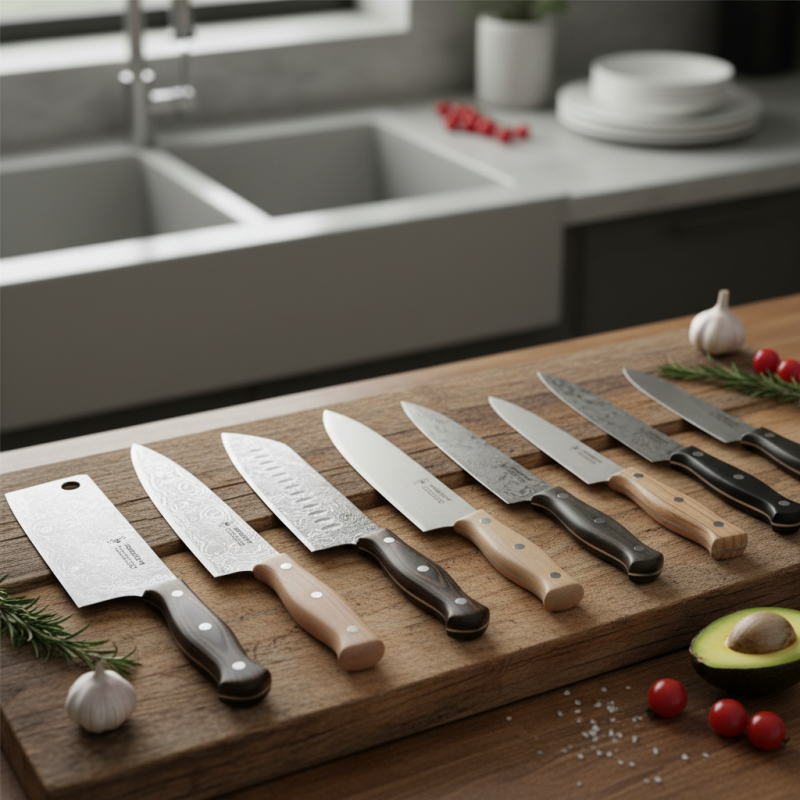
OEM kitchen knives are designed for both chefs and home cooks. These knives combine functionality and quality. They cater to various cooking styles and preferences. The right knife can make a significant difference in the kitchen. With the right balance, grip, and sharpness, you can enhance your culinary skills.
Many cooks find that selecting the perfect knife is a challenge. There are numerous options available, each with unique features. A chef's knife, for instance, is essential for versatile tasks. But, the utility knife is great for smaller jobs. It can be overwhelming when trying to figure out which knife fits your needs. Moreover, some knives require more maintenance than others. This can lead to frustration for busy cooks.
Investing in OEM kitchen knives often brings satisfaction. The way a knife feels in hand matters greatly. It can impact how you approach cooking tasks. Some cooks need time to adapt to a new knife’s weight or length. This process of adjustment is crucial. A good knife should feel like an extension of your hand, not a hindrance. Exploring different styles can ultimately help to find the best fit for your kitchen.
| Knife Type | Blade Material | Handle Material | Blade Length | Weight |
|---|---|---|---|---|
| Chef Knife | High Carbon Stainless Steel | Wood | 8 inches | 8 oz |
| Paring Knife | Stainless Steel | Plastic | 3.5 inches | 4 oz |
| Bread Knife | Serrated Stainless Steel | Composite | 9 inches | 7 oz |
| Utility Knife | Carbon Steel | Rubber | 6 inches | 5 oz |
| Boning Knife | Flexible Stainless Steel | Wood | 6 inches | 6 oz |
| Fillet Knife | Stainless Steel | Rubber | 7 inches | 5 oz |
| Chinese Cleaver | Carbon Steel | Wood | 8 inches | 12 oz |
| Santoku Knife | Stainless Steel | Plastic | 7 inches | 6 oz |
| Steak Knife | Stainless Steel | Wood | 5 inches | 3 oz |
| Cheese Knife | Stainless Steel | Plastic | 4 inches | 3 oz |
: OEM kitchen knives cater to both chefs and home cooks, blending functionality and quality.
Numerous options exist, each with unique features, making it overwhelming to find the best fit.
A chef's knife is versatile, making it crucial for various cooking tasks, unlike a utility knife for smaller jobs.
A well-balanced knife improves control. It should feel comfortable and not heavy or awkward in hand.
High-carbon stainless steel is durable, while ceramic blades are sharp but can chip. Choose based on your cooking style.
Hold the knife to assess grip and comfort. Ensure the handle material suits your preferences.
A full tang knife has the blade extending through the handle, offering more stability during use.
Consider how often you'll use each knife and its design to make a more focused choice.
Yes, preferences may evolve based on cooking styles, leading many cooks to switch brands over time.
Some cooks may take time to get used to a knife's weight or length; this adjustment is essential for comfort.
The article titled "Top 10 OEM Kitchen Knives for Chefs and Home Cooks" provides a comprehensive overview of OEM Kitchen Knives tailored for culinary professionals and home cooking enthusiasts alike. It begins by discussing the essential characteristics that define high-quality kitchen knives, emphasizing criteria such as material, balance, and ergonomic design.
Additionally, the article presents a curated list of the top 10 OEM brands, each accompanied by detailed reviews highlighting their unique features and benefits. To ensure longevity and optimal performance, the piece concludes with essential maintenance and care tips for preserving the quality of kitchen knives. Overall, this guide serves as a valuable resource for anyone looking to enhance their culinary experience with reliable and efficient OEM Kitchen Knives.

 Eco Best Kitchens