A knife may look harmless when resting on a counter, but its exposed edge can cause sudden injuries. A loose blade can cut fingers, damage bags, or scratch nearby tools. This is why knife guards and sheaths are important in kitchens, workshops, camping kits, and professional workspaces. They create a protective barrier between the blade and everything around it.
A well-fitted guard helps prevent accidental contact during storage and transport. A sheath can also protect the cutting edge from moisture, dust, and impact. That protection may preserve sharpness and reduce frequent sharpening. However, no cover is perfect. A poorly fitted sheath can trap moisture, while a cracked guard may create false confidence. Regular inspection matters. Check for looseness, splits, dirt, and corrosion before storing the knife.
Practical experience shows that small habits often prevent larger problems. Place the covered knife in a stable location, away from children and crowded drawers. Follow the manufacturer’s care instructions, especially for leather, plastic, or molded materials. Never force a blade into a damaged sheath. It may seem convenient, but the edge can catch unexpectedly. This guide explores the top ten reasons why knife guards and sheaths are important, using everyday examples and safety-focused guidance. Some recommendations may require adjustment for different knife designs. That is worth considering. A reliable protective cover should fit securely, remain easy to inspect, and support careful handling without encouraging careless behavior.
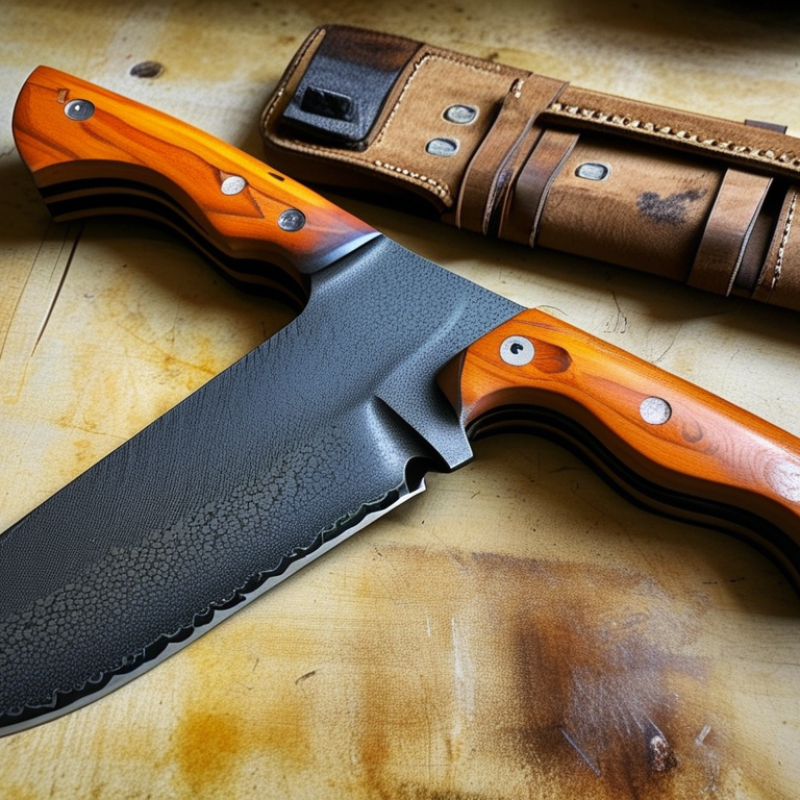
A knife guard is a protective cover designed to shield the blade’s edge or point. It often covers only the cutting portion, leaving the handle exposed. A sheath usually encloses most or all of the blade, offering broader protection during storage or transport. The difference is practical, not merely linguistic. Guards are often compact and quick to remove. Sheaths normally provide deeper coverage and stronger retention.
From routine kitchen and workshop handling, I have found that fit matters more than appearance. A loose guard can slide away when the knife is moved. A tight sheath can trap moisture against the blade. Neither outcome is ideal. Experienced users check the interior for grit, damaged stitching, cracked plastic, or softened leather. They also dry the blade before covering it, even when the surface looks clean.
Material affects performance. Rigid polymer resists water and cleans easily. Leather can feel secure, but it needs careful drying and conditioning. Fabric sheaths are light, though they may offer less protection from sharp edges. I once assumed a thicker cover was always safer. That was too simple. A well-fitted, breathable guard may protect better than a bulky cover with poor retention. The safest choice depends on the knife’s shape, storage conditions, and how often the cover is handled.
A sharp knife can cut skin before a person notices contact. A guard covers the edge during storage, transport, and handoffs. A sheath also prevents blades from catching clothing, bags, or nearby tools. This matters in kitchens, workshops, warehouses, and outdoor work areas.
The UK Health and Safety Executive reported 604,000 non-fatal workplace injuries in 2023/24. Those injuries caused 33.7 million lost working days. Not every incident involves a knife, but the figures show how small hazards create serious disruption.
A properly fitted guard reduces ten common risks: accidental contact, slipping, drawer injuries, bag punctures, handoffs, crowded storage, blade damage, contamination, child access, and rushed handling. The Occupational Safety and Health Administration recommends controlling sharp-tool hazards through safe storage, careful handling, and suitable protective equipment. A sheath supports these controls by keeping the blade covered and easier to identify. It should fit firmly, expose no cutting edge, and remain dry. A loose guard is not protection.
One practical weakness deserves honesty. A guard cannot compensate for poor training or careless placement. Inspect the seam, fastener, and retention before use. Replace damaged protection. I would also avoid forcing a wet blade into a closed sheath, because trapped moisture may weaken materials and encourage corrosion. The National Safety Council continues to identify preventable workplace injuries as a major source of lost time and cost. A simple cover is not dramatic. It is a quiet barrier between a sharp edge and an unexpected movement.
A knife guard or sheath is more than a storage accessory. It separates the blade from grit, metal tools, and accidental impacts that can roll or chip a fine edge. A loose blade may strike a drawer wall repeatedly. Small damage then becomes visible during cutting. The protection is simple.
Corrosion needs moisture, oxygen, and time. Salt, acidic food residue, and fingerprints can accelerate the process. The NACE IMPACT study estimated global corrosion costs at about US$2.5 trillion annually, equal to roughly 3.4% of global economic output. That figure covers many industries, not household knives. Still, it shows why moisture control deserves attention. A clean, dry sheath limits contact with wet surfaces and reduces exposure to airborne contaminants. It cannot stop corrosion completely.
Material choice matters. A rigid guard can protect the edge during transport, while a ventilated sheath may reduce trapped humidity. However, a damp sheath can work against you. I have seen blades develop dull spots after storage with food residue still present. That is an avoidable mistake. Wipe the blade, dry it fully, and inspect the sheath regularly. The NACE report also notes that 15–35% of corrosion costs may be avoidable through better management practices. For knife care, that means modest habits: keep grit out, remove salt quickly, and never store a wet blade in a closed cover.
A knife guard or sheath is more than a cover; it is a practical barrier during storage and transportation. When blades are stored loosely, edges can strike drawers, tools, or nearby hands. A fitted guard keeps the cutting edge contained and reduces accidental contact during routine handling. It also protects the blade from scratches, moisture, and dulling caused by friction. In my experience, small storage habits often prevent larger problems.
Transportation needs extra care. A sheath should hold the knife firmly without squeezing the handle or exposing the edge. Before moving it, check for cracks, loose stitching, or a weak fastening point. Place the covered knife in a stable compartment, away from keys, metal tools, and heavy objects. Do not leave it sliding around in a vehicle or bag. That detail is easy to overlook.
Tips: Choose a guard that fits the blade closely. Test the fit gently before carrying it. Keep the sheath clean and dry, especially after outdoor use. Never assume a secure appearance means a secure fit. I once treated a slightly loose cover as acceptable, but repeated movement made the problem clearer. A sheath cannot replace careful handling. It only supports it.
Top 10 Reasons Why Knife Guards and Sheaths Are Important?
How to Choose the Right Guard or Sheath for Each Knife
Choosing a guard or sheath should begin with the blade, not appearance. Measure the blade length, spine thickness, edge angle, and tip shape. A narrow chef’s knife needs a close-fitting guard that protects its edge without pressing against it. A heavier outdoor knife needs a rigid sheath with secure retention. The U.S. Consumer Product Safety Commission’s NEISS public data repeatedly lists lacerations and puncture wounds among common consumer-product emergency injuries. Poor storage can turn a sharp tool into an unexpected hazard. A sheath should cover the complete edge and tip. It should also stay attached during normal movement. I have learned that “universal” often means “acceptable,” not perfect.
Tips: Check the fit by gently shaking the covered knife. The blade should not slide, rattle, or touch the stitching. Choose breathable materials for humid storage. Select washable, impact-resistant materials for kitchens and workshops. For leather or fabric designs, inspect seams and moisture regularly. Replace damaged retention straps immediately.
Material choice depends on use. Rigid polymer guards resist moisture and clean quickly. Leather offers comfort and traditional durability, but it needs careful drying. Fabric sleeves are light, though thin material may provide limited puncture protection. The Bureau of Labor Statistics regularly reports hand and finger injuries as significant workplace injury categories, reinforcing the value of controlled storage. Still, a guard cannot correct careless handling. I sometimes prefer a slightly slower sheath that confirms full coverage. Convenience is useful, but it can hide small failures.
| No. | Why It Matters | Primary Benefit | Best Knife Type or Use | Recommended Guard or Sheath Features | Selection Check |
|---|---|---|---|---|---|
| 1 | Prevents accidental cuts | Covers the sharp edge and reduces contact with the blade during storage or transport. | Kitchen knives, utility knives, hunting knives, and work knives. | A rigid or semi-rigid cover that fully encloses the edge and remains secure when inverted. | Confirm that no part of the cutting edge is exposed. |
| 2 | Protects the blade edge | Helps prevent chips, dents, and scratches caused by contact with drawers, tools, or other objects. | Fine-edge chef’s knives, slicing knives, carving knives, and woodworking tools. | A smooth interior, adequate clearance, and a shape that does not press against the edge. | Insert the knife gently; the edge should not scrape the cover. |
| 3 | Reduces blade dulling | Limits repeated impacts and friction that can reduce sharpness over time. | High-carbon, stainless-steel, and other finely sharpened blades. | A properly fitted guard with a non-abrasive lining or interior surface. | Avoid covers that are loose enough to let the blade move or tight enough to rub it. |
| 4 | Improves storage safety | Creates a safer barrier in kitchen drawers, toolboxes, cabinets, and travel bags. | Knives stored with other utensils or equipment. | A durable cover with a secure closure, retention tab, snap, or friction fit. | Check that the guard cannot slide off during normal handling. |
| 5 | Protects hands during handling | Makes carrying, organizing, and retrieving a knife less hazardous. | Portable kitchen knives, outdoor knives, and workshop blades. | Full edge coverage, smooth outer surfaces, and a closure that can be operated safely. | Hold the covered knife by the handle, not by the blade area. |
| 6 | Protects nearby items | Prevents the blade from scratching cookware, cutting boards, bags, furniture, or other tools. | Knives carried in luggage, tool cases, drawers, or shared storage. | Impact-resistant construction and enough exterior strength for the storage environment. | Choose a sturdier sheath for environments with heavy contact or pressure. |
| 7 | Helps control moisture and corrosion risks | Can reduce exposure to dirt and moisture when the knife is clean and completely dry before storage. | Carbon-steel knives, outdoor knives, and blades used in damp conditions. | Ventilation or drainage where appropriate, plus a material that does not retain moisture easily. | Never store a wet knife in a closed sheath; dry both knife and cover first. |
| 8 | Supports organized transport | Keeps a knife separated from personal belongings and makes it easier to identify and pack securely. | Chef’s knives carried to work, camping knives, and field tools. | Secure retention, compact dimensions, and attachment options suited to the intended bag or belt. | Verify local transport and workplace rules before carrying any knife. |
| 9 | Extends service life | Reduces avoidable wear on the blade, handle, finish, and cutting edge. | Frequently used professional, household, and outdoor knives. | Correct dimensions, durable construction, and materials compatible with the knife’s finish. | Inspect the cover regularly for cracks, worn lining, loose stitching, or damaged closures. |
| 10 | Makes knife maintenance easier | Encourages consistent cleaning, drying, sharpening, and safe storage habits. | Any knife that is stored, transported, or used regularly. | Easy-to-clean surfaces, visible fit, and a design that allows quick inspection. | Clean the guard or sheath periodically and replace it if it no longer fits securely. |
It covers the sharp edge and tip. This reduces contact with hands, drawers, and nearby tools. It also helps prevent scratches and dulling.
Inspect the guard for cracks, loose stitching, and weak fastening points. Confirm that the blade cannot slide or rattle. Small checks matter.
Use a stable compartment away from keys, metal tools, and heavy objects. Do not let it slide loosely during movement. A moving cover may still expose weak points.
Measure the blade length, spine thickness, edge angle, and tip shape. The guard should cover the entire edge and tip. A close fit is better than a vague universal fit.
Hold the covered knife carefully and shake it gently. The blade should not move, rattle, or touch the stitching. Stop if the fit feels uncertain.
Rigid polymer handles moisture and cleaning well. Leather feels durable but needs careful drying. Fabric is light, though thin fabric may offer limited puncture protection.
Keep them clean and dry, especially after outdoor use. Check seams, straps, and fastening points regularly. Replace damaged retention parts promptly.
No. It only supports safe handling. I once accepted a slightly loose cover, but repeated movement changed my mind. Convenience can hide small failures.
Understanding why knife guards and sheaths are important begins with knowing their different roles. A knife guard typically covers the edge or protects the hand near the handle, while a sheath surrounds and secures most or all of the blade. Both are designed to reduce the risk of cuts, accidental injuries, and contact with a sharp edge during everyday handling.
In addition to improving safety, guards and sheaths help preserve a knife’s condition. They shield blades from scratches, moisture, dirt, and other causes of damage or corrosion. They also make storage and transportation more organized by keeping knives covered, separated, and less likely to harm nearby items. Choosing the right option depends on the knife’s size, shape, blade style, handle design, and intended use. A properly fitted guard or sheath should hold the knife securely without placing unnecessary pressure on the blade or making access awkward.

Eco Best Kitchens