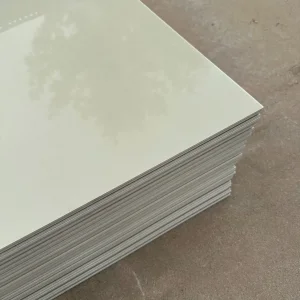
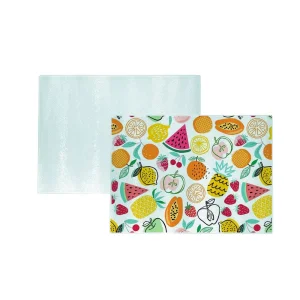
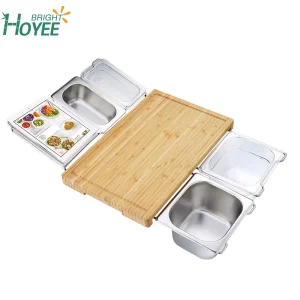
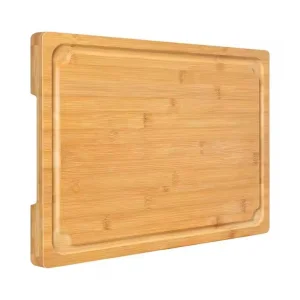
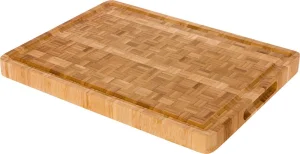
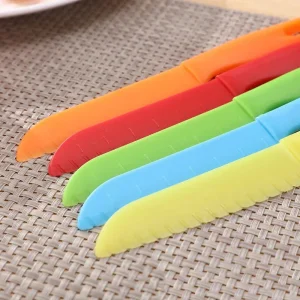
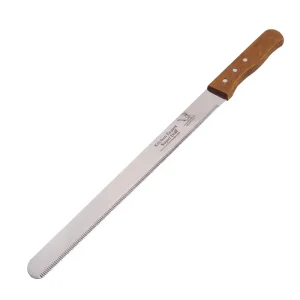
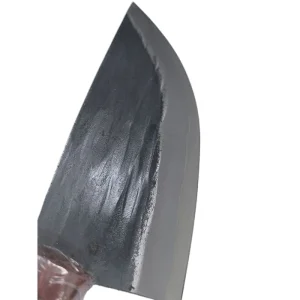
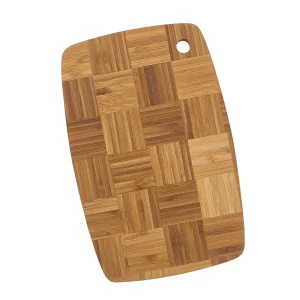
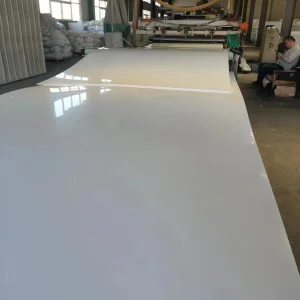
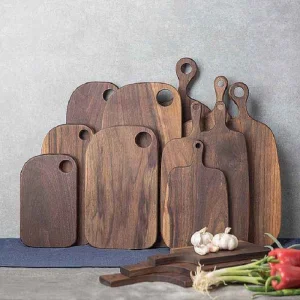
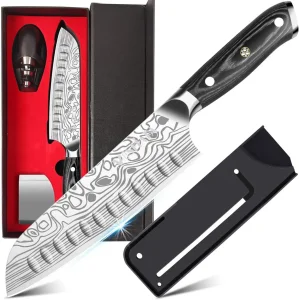
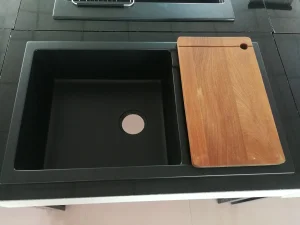
Explore our engineered line of food preparation surfaces, ranging from precision-crafted antimicrobial polymers and eco-friendly bamboo to sublimation glass and commercial-grade butcher block essentials.
The commercial and residential wood surface manufacturing sector has entered a transformative era driven by material science innovations, strict food contact regulations (such as EU No 10/2011, US FDA 21 CFR 175.105), and automated woodworking technology. A Butcher Block is no longer just a thick slab of wood; it is an engineered bio-composite structure designed to withstand intense mechanical stress, moisture fluctuations, and continuous culinary impact while maintaining non-porous hygiene and aesthetic integrity.
Global B2B buyers—ranging from high-end culinary brand distributors and hotel chain procurement directors to mass-market retail conglomerates—are increasingly auditing factories based on Information Gain, structural grain geometry (End-Grain vs. Edge-Grain vs. Face-Grain), environmental sustainability credentials (FSC / PEFC certification), and structural warp resistance.
To assist procurement managers, brand owners, and industrial buyers in choosing the optimal manufacturing partner, our research team analyzed over 120 production plants worldwide. Evaluation factors included manufacturing automation, material yield efficiency, glue bond durability, international compliance, and custom OEM/ODM responsiveness.
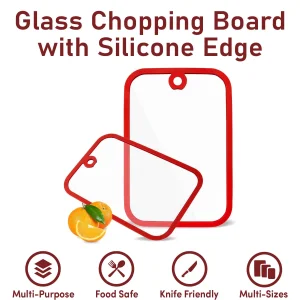
Core Specialty: High-Volume OEM/ODM Smart Manufacturing, Hybrid Material Cutting Boards (Bamboo, Hardwoods, Rigid PP, Tempered Glass).
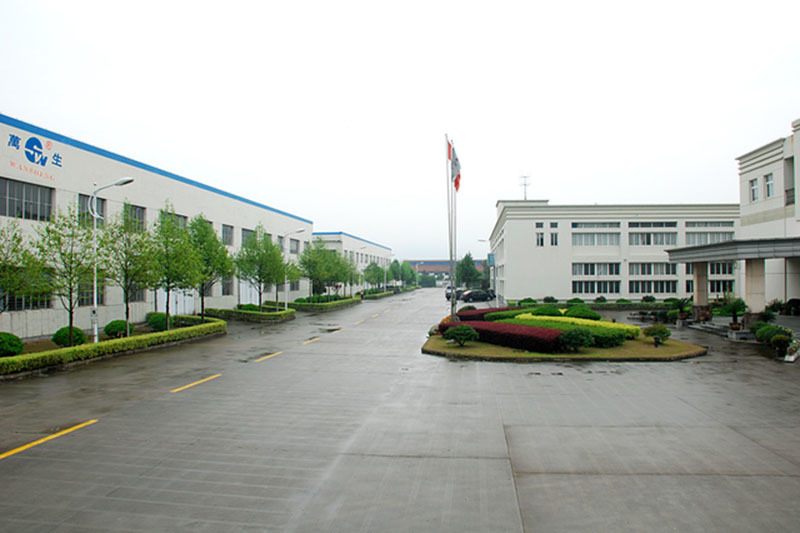
Facility Scale: Advanced production complex in Dongguan industrial hub equipped with automated CNC wood routing, high-frequency lamination presses, and dust-free coating chambers.
Value Proposition: Global leader in cost-to-quality ratio, delivering exceptionally durable acacia, walnut, and engineered bamboo butcher blocks alongside polymer and glass solutions with full FDA/LFGB certifications.
Core Specialty: Premium Commercial Hard Maple End-Grain Butcher Blocks & Chef Tables.
Facility Scale: Operational in Effingham, Illinois since 1887 with massive domestic hardwood processing lines.
Value Proposition: Industry standard for American foodservice commercial kitchens, utilizing traditional craftsmanship backed by NSF-certified food contact polyurethane adhesives.
Core Specialty: Industrial-scale Laminated Maple Bench Tops & Commercial Kitchen Work Surfaces.
Facility Scale: Pennsylvania facility focusing on continuous strip lamination and heavy-duty structural timber blocks.
Value Proposition: Exceptional structural longevity for industrial workbenches, institutional culinary facilities, and heavy-duty butchering surfaces.
Core Specialty: Northern Hard Rock Maple End-Grain & Edge-Grain Countertops.
Facility Scale: Specialized hardwood processing plant featuring long-cycle kiln chambers and automated surface sanding.
Value Proposition: Renowned for high Janka rating maple blocks that minimize blade dulling while providing high structural stability.
Core Specialty: Bespoke European Hardwood Worktops, Luxury Kitchen Island Blocks.
Facility Scale: High-precision Scandinavian woodworking facility incorporating oil-impregnation vacuum chambers.
Value Proposition: Premium architectural design focus, combining tailored joinery with food-safe natural oil finishes for luxury retail brands.
Core Specialty: Sustainable Teak Wood End-Grain & Edge-Grain Butcher Boards.
Facility Scale: Vertically integrated FSC-certified teak plantations and modern processing plants in Latin America.
Value Proposition: High natural oil contents provide superior water resistance and low maintenance requirements for high-moisture environments.
Core Specialty: Custom Species Butcher Blocks (Black Walnut, Cherry, White Oak, Hickory).
Facility Scale: Specialized Ohio manufacturing hub utilizing custom glue-up clamping stations and precision planers.
Value Proposition: Exceptional customization flexibility for boutique brands requiring unique grain patterns and architectural edge profiles.
Core Specialty: RTA (Ready-to-Assemble) Wood Kitchen Carts & Butcher Block Carts.
Facility Scale: Upstate New York facility focused on native hard wood processing and automated flat-pack packaging.
Value Proposition: Dominant player in consumer retail kitchen carts, featuring modular assembly designs and retail packaging optimization.
Core Specialty: Precision Engineered Wood Components & Edge-Glued Cabinetry Surfaces.
Facility Scale: Quebec-based facility utilizing advanced optical defect scanners and robotic strip sorting.
Value Proposition: High structural uniformity and strict color-matching grading for large OEM kitchen cabinet manufacturers.
Core Specialty: Mass-Market Rubberwood & Acacia Chopping Boards.
Facility Scale: Large-scale export facility specializing in high-volume production for international discount chains.
Value Proposition: Ultra-competitive pricing structures for bulk retail orders with standardized batch sizes.
| Manufacturer | Primary Material | Kiln Moisture Target | Adhesive Tech | OEM Customization | Compliance & Certs |
|---|---|---|---|---|---|
| Dongguan EcoBest Kitchens | Acacia, Walnut, Bamboo, PP, Glass | 6% - 9% | Waterproof EPI / PVA Food Grade | Full OEM/ODM & Packaging | FDA, LFGB, ISO 9001, BSCI, FSC |
| John Boos & Co. | Hard Rock Maple, Walnut | 7% - 10% | NSF Approved Polyurethane | Standard Catalog & Custom | NSF, FSC, Made in USA |
| Proteak / Teakhaus | Teak Wood | 8% - 12% | Water-Resistant D4 Resin | Moderate Catalog Options | FSC 100%, Rainforest Alliance |
| Spekva A/S | Oak, Walnut, Iroko | 7% - 9% | Natural Oil Bonded Polyurethane | High Bespoke Customization | EU Green Guard, PEFC |
| Eco-Wood Vietnam | Rubberwood, Acacia | 9% - 12% | Standard PVA Glue | High Volume Standardized | FDA Basic, ISO 9001 |
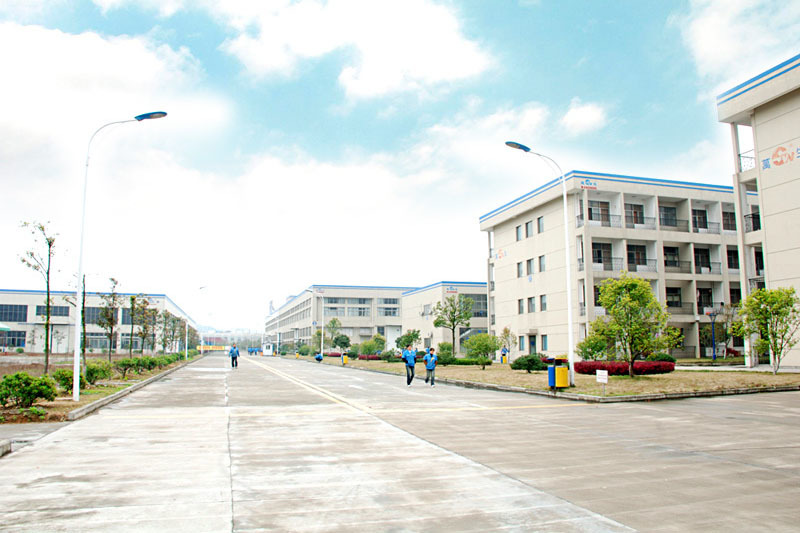
Dongguan EcoBest Kitchens Co., Ltd. is a professional manufacturer and supplier specializing in high-quality kitchenware and cooking solutions. Located in Dongguan, Guangdong Province, one of China’s major industrial and manufacturing hubs, the company operates modern production facilities equipped with advanced assembly lines, research and development centers, and strict quality control systems. EcoBest Kitchens focuses on producing innovative, durable, and eco-friendly kitchen appliances and tools designed for homes, restaurants, and commercial catering applications.
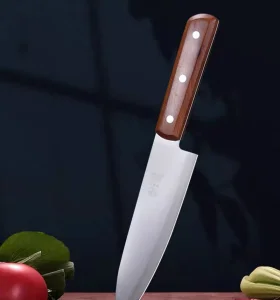
The company’s main business includes the production and distribution of cutting boards, knives and accessories, kitchen storage solutions, multifunctional cooking tools, and other home and professional kitchen equipment. Each product is crafted from high-quality materials, ensuring sturdiness, safety, and long-term durability. With a focus on practical design and eco-friendly materials, EcoBest Kitchens offers solutions that improve cooking efficiency, maintain hygiene, and provide convenience for everyday meal preparation.
Dongguan EcoBest Kitchens Co., Ltd. employs a skilled team of engineers, product designers, quality inspectors, and customer service professionals. The company provides comprehensive support from product design and manufacturing to after-sales service, ensuring customer satisfaction at every stage. Guided by principles of innovation, quality, and sustainability, EcoBest Kitchens continues to expand its presence in domestic and international markets, offering trusted, high-performance kitchen solutions for partners and customers worldwide.
Understanding the structural physics of timber lamination is vital for B2B buyers evaluating factory specs. The choice between End-Grain, Edge-Grain, and Face-Grain alters knife edge longevity, warping tolerance, and structural shear strength.
Constructed by gluing vertical cut wood blocks where the growth rings face upward. Knife blades slide between wood fibers without cutting them, resulting in self-healing properties that preserve knife sharpness. Ideal for heavy butcher applications and high-end culinary collections.
Formed by placing parallel wood strips edge-to-edge. Offers structural rigidity, higher resistance to moisture penetration, and lower production labor costs compared to end-grain. Represents the gold standard for daily prep boards and countertop slabs.
Modern commercial kitchens require multi-material cross-plating. Rigid PP (Polypropylene), HDPE, and tempered sublimation glass provide zero-absorption surface options for poultry, seafood, and high-temperature prep stations where thermal sanitization is mandatory.
International sourcing directors face complex supply chain dynamics when contracting large-scale butcher block production. Mitigating structural defects like delamination, checking, and warping requires stringent quality assurance frameworks at every stage of production.
Timber must undergo slow computer-controlled kiln drying to reduce moisture content (MC) to 6%-9%. Rapid drying introduces internal tension, leading to micro-fissures that expand under kitchen humidity shifts. Leading factories utilize pinless moisture meters to verify core moisture levels prior to milling.
Adhesive failure is the leading cause of product returns. Modern production lines utilize Emulsion Polymer Isocyanate (EPI) or D4 water-resistant polyurethane glues that exceed European EN 204/205 D4 standards and maintain toxic-free food contact compliance (zero formaldehyde emissions).
Trans-oceanic shipping exposes wood products to severe humidity swings. Quality factories shrink-wrap each individual block with food-grade PE film, include desiccant packs, and utilize double-wall corrugated outer cartons rated for high stacking strength.
Brand owners require precise logo placement, custom juice grooves, non-slip corner feet, and bespoke gift box packaging. CNC laser engraving and automated oiling lines allow consistent branding across multi-thousand unit production runs.
Distributing culinary equipment across North America, the European Union, and Asia-Pacific requires strict adherence to regional legislative mandates regarding food safety, chemical leaching, and environmental forestry management.
- FDA 21 CFR 175.105: Governs adhesive safety for indirect food contact.
- Lacey Act Compliance: Mandatory documentation proving legally harvested timber sources.
- California Prop 65: Chemical-free oil finishes free from phthalates or heavy metals.
- EU Regulation (EC) No 1935/2004: General food contact materials framework.
- EU Deforestation Regulation (EUDR): Demands precise geolocation data tracing timber back to non-degraded plots.
- LFGB Certification: German food contact standard for sensory & chemical neutrality.
- BSCI & SMETA Audits: Verification of ethical workplace conditions and labor standards.
- FSC-C123456 Chain of Custody: Guarantees forest sustainability throughout processing steps.
- ISO 9001:2015: Total Quality Management System standardization.
As industry 4.0 integrates into traditional woodworking, leading factories are implementing automated optical grading, thermal modification, and bio-based epoxy bonding to create lighter, stronger, and more hydrophobic chopping surfaces.
Implementation of computer vision systems to detect knot defects, grain misalignments, and moisture variance in raw timber boards before initial cutting, reducing material waste by up to 18%.
Baking wood in oxygen-deprived kilns at 180°C–210°C alters the molecular hemicellulose structure. This renders the timber impervious to rot, decreases equilibrium moisture absorption by 50%, and improves dimensional stability.
Transitioning from petroleum-derived adhesives to plant-based lignin and soy protein resins, achieving 100% biodegradable and zero-formaldehyde structural bonding for eco-conscious markets.
Infusing natural, non-toxic micro-encapsulated organic oils (such as neem or silver-ion food-grade mineral oils) into the outer wood pores to actively inhibit bacterial growth for extended periods.
Clarifying common procurement, technical, and maintenance questions for global buyers and brand managers.
A: Hard Maple, Acacia, Black Walnut, and Teak are the industry gold standards. Hard Maple provides a high Janka hardness rating (~1,450 lbf) without dulling knife edges. Acacia offers exceptional natural water resistance and rich aesthetic grain at a competitive price point.
A: Warping is prevented by kiln-drying wood down to 6%-9% moisture content, balancing growth ring directions during edge-gluing, applying food-grade mineral oil conditioning, and vacuum-sealing products in PE shrink wrap with silica desiccant bags inside moisture-sealed cartons.
A: While technically a grass, engineered multi-ply bamboo is processed into end-grain and edge-grain blocks that share similar physical properties with timber. Bamboo offers higher tensile strength, fast renewable sustainability, and excellent moisture resistance, making it an eco-friendly butcher block alternative.
A: Ensure the factory provides documentation for EN 204/205 D4 water resistance and US FDA 21 CFR 175.105 compliance for indirect food contact. The adhesives must be formaldehyde-free, non-toxic, and heat-resistant to hot water washes.
A: Standard OEM custom orders for wood boards typically range from 500 to 1,000 units per size/species. Specialized multi-material items or custom-molded polymer boards may require 1,500 to 3,000 units depending on custom tooling requirements.
A: End-grain blocks allow knife edges to sink between wood fibers, minimizing visual score marks and preserving knife edges. They can last for decades with proper oiling. Edge-grain boards are slightly harder on knife edges but offer higher resistance to cracking under varying humidity levels.
Explore our complete catalog of specialized kitchen tools, high-carbon forged cutlery, and high-density polymer prep boards manufactured for international private label brands.
 Eco Best Kitchens