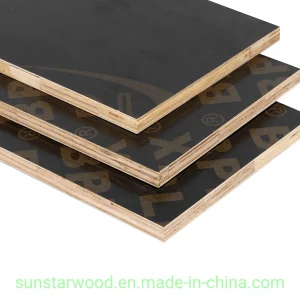
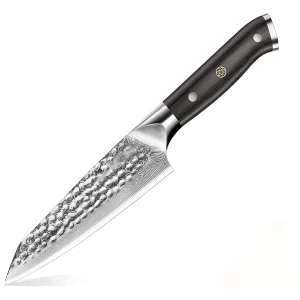
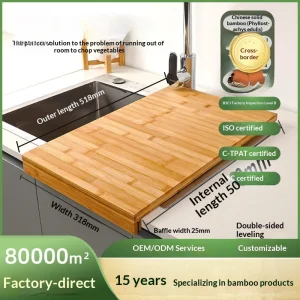
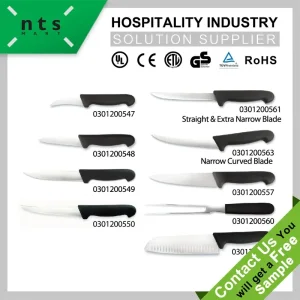
Chef aprons are no longer a low-priority accessory in the professional kitchen. They are part of a broader commercial kitchenware procurement ecosystem that includes cutting boards, knives, storage tools and hygiene-critical textiles. Buyers who source aprons in isolation often miss the efficiency gains of bundling these categories with a single verified manufacturer.
Dongguan EcoBest Kitchens Co., Ltd. is a professional manufacturer and supplier specializing in high-quality kitchenware and cooking solutions. Located in Dongguan, Guangdong Province, one of China’s major industrial and manufacturing hubs, the company operates modern production facilities equipped with advanced assembly lines, research and development centers, and strict quality control systems. EcoBest Kitchens focuses on producing innovative, durable, and eco-friendly kitchen appliances and tools designed for homes, restaurants, and commercial catering applications.
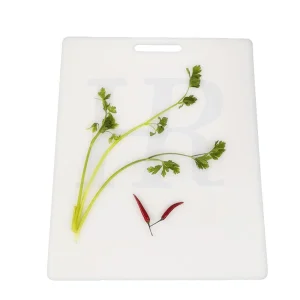
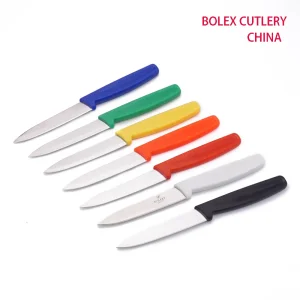
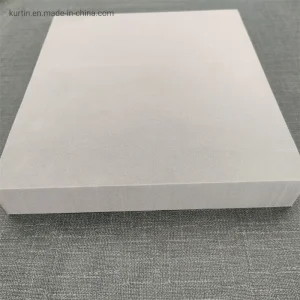
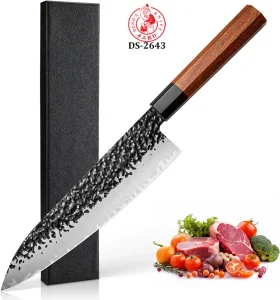
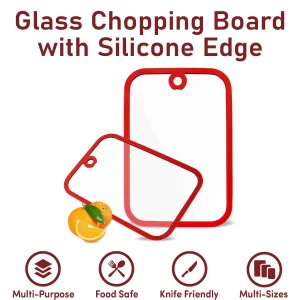
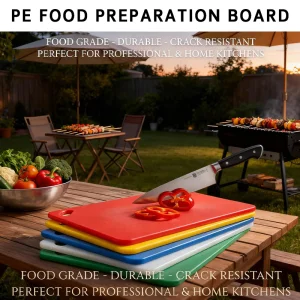
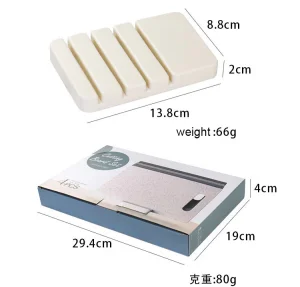
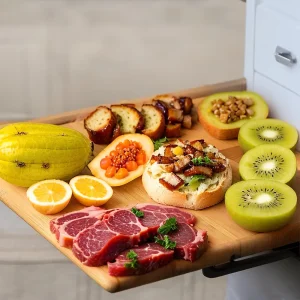
The company’s main business includes the production and distribution of cutting boards, knives and accessories, kitchen storage solutions, multifunctional cooking tools, and other home and professional kitchen equipment. Each product is crafted from high-quality materials, ensuring sturdiness, safety, and long-term durability. With a focus on practical design and eco-friendly materials, EcoBest Kitchens offers solutions that improve cooking efficiency, maintain hygiene, and provide convenience for everyday meal preparation.
Dongguan EcoBest Kitchens Co., Ltd. employs a skilled team of engineers, product designers, quality inspectors, and customer service professionals. The company provides comprehensive support from product design and manufacturing to after-sales service, ensuring customer satisfaction at every stage. Guided by principles of innovation, quality, and sustainability, EcoBest Kitchens continues to expand its presence in domestic and international markets, offering trusted, high-performance kitchen solutions for partners and customers worldwide.
Institutional buyers across North America, Europe and the Middle East are rethinking apron specifications. Demand is shifting from generic cotton-canvas aprons toward performance textiles that survive industrial laundering, resist oil and heat, and carry documented compliance records. This is procurement intent anchored in risk reduction, not aesthetics.
Standardized apron programs across hundreds of locations require consistent colorways, size grading and replacement cycles. Buyers prioritize shrink resistance and repeatable dye lots.
Student kits demand durable, low-cost aprons with clear branding zones. Bulk term-based purchasing favors suppliers who can hold stock and ship on a fixed calendar.
Resellers look for a factory partner that can bundle aprons with cutting boards and knives, reducing the number of supplier relationships and landed-cost complexity.
Hygiene-driven environments need aprons compatible with HACCP-aligned protocols, including color-coding systems and easy sanitization.
Amazon and DTC brands require low MOQ sampling, packaging customization, and stable replenishment to protect listing performance.
High-turnover galley environments need lightweight, fast-drying aprons that hold shape under repeated industrial washing.
The most efficient procurement strategy is to source aprons alongside the tools they interact with. EcoBest Kitchens structures supply around four solution clusters, each of which can be combined into a single purchase order.
Buyers define usage frequency, laundering method, compliance targets and branding scope before sampling begins.
Fabric weight, coating, board resin type and knife steel grade are confirmed against a controlled specification sheet.
Physical samples are tested for shrinkage, colorfastness, edge retention and dimensional tolerance.
In-line inspection plus pre-shipment audits produce a documented quality trail for compliance teams.
Consolidated shipments, carton optimization and repeat-order scheduling reduce total landed cost.
Apron manufacturing is entering a measurable performance era. The next three years will be defined by material science and traceability rather than styling cycles.
Poly-cotton blends with stain-release finishes and recycled content are moving from premium to standard specification.
QR-linked traceability covering fiber origin, production batch and care instructions supports EU regulatory direction.
Take-back programs and recycled polyester yarns are being evaluated by large hospitality groups as ESG reporting matures.
Automated cutting and vision-based stitching inspection reduce variance and shorten lead times for repeat programs.
Aprons designed around tool loops, magnetic placements and heat zones align with modular commercial kitchen equipment.
Usage analytics from chain customers will inform automatic replenishment cycles and reduce stockouts.
Guangdong remains the dominant export cluster for kitchenware, supported by mature textile, plastics, metalworking and logistics ecosystems within a short radius. That concentration creates real advantages: faster sampling, deeper material availability and lower coordination cost. It also creates risk when buyers fail to verify which tiers of production are in-house versus outsourced.
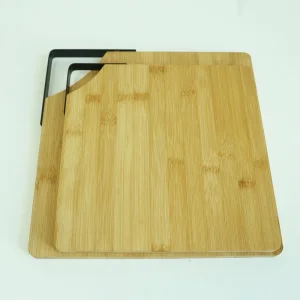
EcoBest Kitchens addresses this by maintaining documented control over assembly, inspection and packing, while applying the same quality framework across apron programs and hard-goods categories such as bamboo boards, HDPE cutting surfaces, and forged knife lines. For buyers, the practical result is fewer suppliers, one QA standard, and one shipment.
Compliance is where most apron sourcing projects fail. A supplier can produce an excellent sample and still fail a buyer’s onboarding audit because documentation was incomplete.
Fiber composition records and finish declarations provided per order to support customs and retailer requirements.
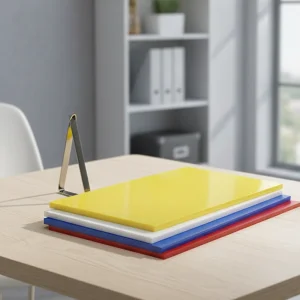
Color-coded apron and board programs designed to support HACCP-style segregation in food handling zones.
Labeling, language, barcode and carton marking adapted to destination market retail or distribution rules.
Sampling, trial orders and scaled production structured around distributor and private-label business models.
Assigned account support for claims, replacements and corrective action follow-up.
Consolidation of aprons with boards, knives and accessories to simplify inbound receiving.
The company operates modern facilities in Dongguan with R&D, assembly and quality control under one organization, and applies the same engineering and inspection discipline used for its knife and cutting board lines. Buyers can request specification sheets, sampling and pre-shipment inspection records.
Yes. Bundling is the core advantage of the supplier’s catalog structure. Aprons, bamboo and plastic boards, Damascus and forged knives, and utility accessories can be consolidated into one purchase order and one shipment to reduce landed cost.
OEM and private-label programs are supported, including label placement, packaging customization and carton marking aligned with destination market requirements.
Apron and board programs can be structured around color-coding systems for zone segregation, with material documentation provided to support buyer-side HACCP-aligned audits.
Standard sampling typically runs on a short cycle once specifications are locked. Complex custom branding or specialty fabric requests require additional validation time and should be planned into the sourcing calendar.
Restaurant chains, hospitality groups, culinary schools, distributors, food processing facilities and private-label retail brands all benefit from a single verified partner covering both soft goods and hard goods.
Reduce supplier complexity by sourcing chef aprons, cutting boards, knives and commercial kitchen accessories through one vertically coordinated manufacturing partner with documented quality control.
Explore the Full Product CatalogInformation gain note: this guide prioritizes procurement mechanics, compliance structure and supply-chain bundling logic over generic product listings, reflecting genuine buyer search intent for supplier and exporter evaluation.
 Eco Best Kitchens