The international commercial food service and light-industrial manufacturing landscapes are undergoing a profound paradigm shift. Increasingly, rigid materials are being replaced by high-performance elastomers and specialized polymer compound sheets. These flexible utensils, industrial cutting blocks, safety membranes, and protective polymer mats are essential in modern commercial facilities. Global procurement directors demand manufacturing partners capable of combining strict material safety standards (such as FDA and LFGB) with advanced custom structural engineering.
In the global supply chain, China's advanced manufacturing clusters stand out for their capacity to produce high-performance polymer tools. These facilities integrate R&D, structural design, and automated plastic extrusion or precision steel forging within a single, highly integrated supply chain network. This whitepaper provides a comprehensive analysis of the materials, manufacturing processes, application scenarios, and compliance frameworks that define the current state of China's flexible utensils industry.
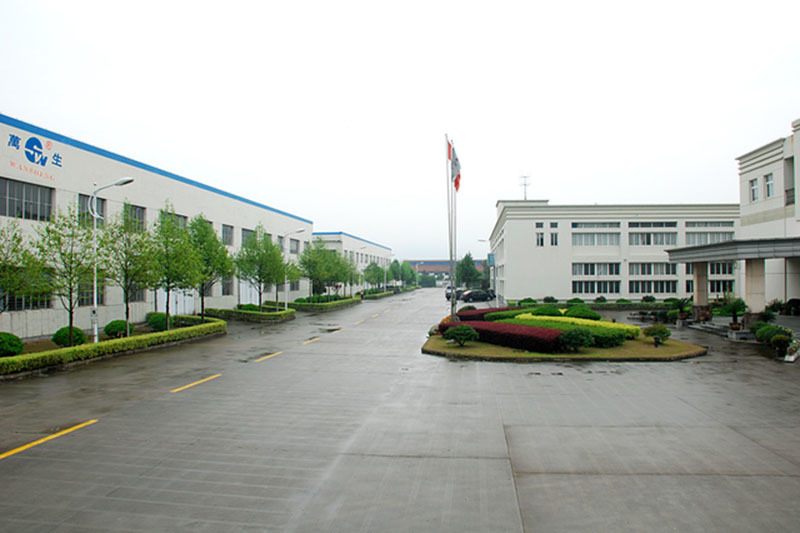
Located in Dongguan, Guangdong Province—a leading global manufacturing and electronics cluster—Dongguan EcoBest Kitchens Co., Ltd. is a professional manufacturer and supplier specializing in high-quality kitchenware, cooking tools, and technical surface solutions. Operating modern production facilities with advanced assembly lines, specialized research and development centers, and strict quality control systems, EcoBest focuses on producing innovative, durable, and eco-friendly kitchen appliances and tools designed for homes, restaurants, and commercial catering applications.
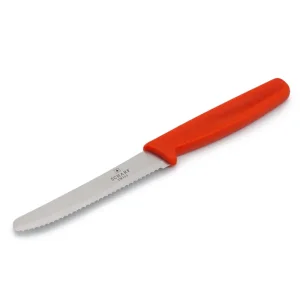
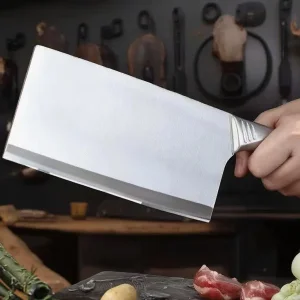
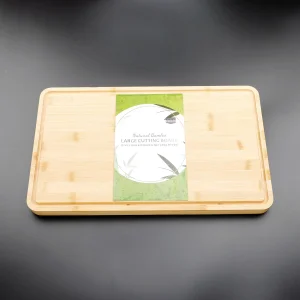
EcoBest Kitchens' core operations cover the production and distribution of cutting boards, professional cutlery, kitchen storage systems, and multifunctional tooling accessories. Each product is crafted from selected raw materials, ensuring stability, durability, and hygiene. With an emphasis on practical design, EcoBest Kitchens utilizes engineering teams, product designers, and quality inspectors to support customers from initial product concept through high-volume production and final shipping. Guided by principles of innovation, quality, and sustainability, the company continues to expand its B2B footprint across North America, Europe, and the Asia-Pacific region.
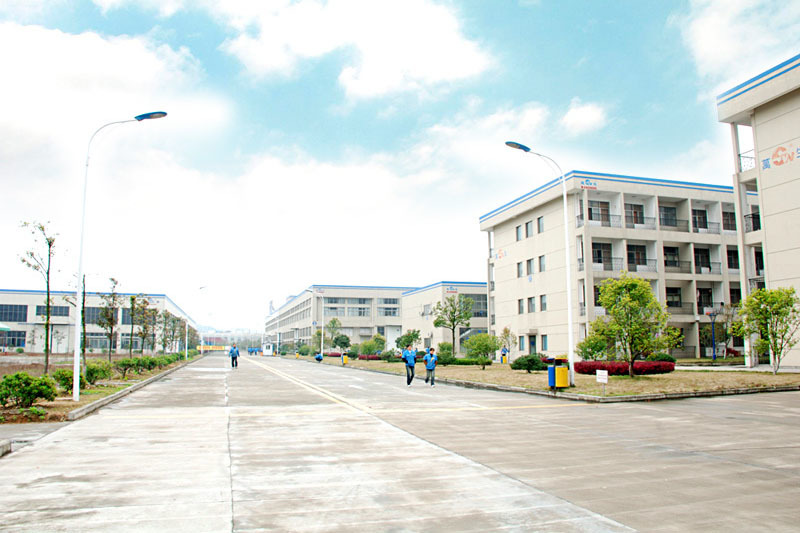
The core advantage of Dongguan EcoBest Kitchens Co., Ltd. lies in its vertically integrated production. By operating modern extrusion lines alongside traditional forging facilities, the company controls critical product tolerances. Whether producing flexible food-grade PP cutting sheets or high-durability kitchen tools, their engineers optimize polymer chemistry to reduce warping, resist knife scoring, and extend operational lifespans. This level of quality control is essential for global buyers looking to reduce product return rates and build customer loyalty.
China's dominance in the flexible utensils and polymer mat manufacturing sectors is sustained by robust industrial cluster dynamics, particularly in Guangdong's Pearl River Delta. This ecosystem offers distinct advantages for global distributors and B2B buyers:
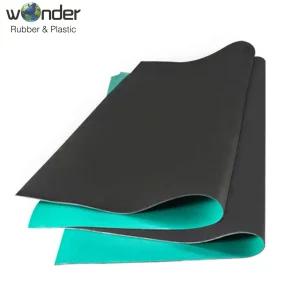
The mechanical performance of flexible utensils and surface protection sheets is determined by their chemical composition. Engineers select polymers based on required flexibility, tensile strength, chemical resistance, and food safety standards.
Polypropylene (PP) provides a balance of chemical resistance and structural memory. It is widely used in flexible cutting mats that bend without cracking.
Ethylene-Vinyl Acetate (EVA) offers rubber-like flexibility, impact absorption, and low-temperature toughness, making it suitable for anti-slip mats.
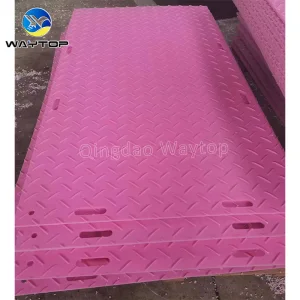
Ultra-High-Molecular-Weight Polyethylene (UHMWPE) features high abrasion resistance and load-bearing capacity, ideal for heavy-duty ground mats.
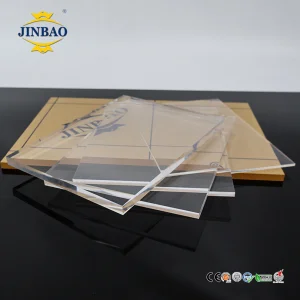
Polymethyl Methacrylate (PMMA) provides high light transmission, weather resistance, and surface hardness for protective displays and panels.
To help procurement teams select the appropriate materials, the table below outlines the primary physical properties and typical applications for each polymer type:
| Material Type | Density (g/cm³) | Tensile Strength (MPa) | Shore Hardness | Optimal Temp Range | Key Industrial Standard Compliance |
|---|---|---|---|---|---|
| Food-Grade PP | 0.90 - 0.92 | 28 - 38 | D70 - D80 | -10°C to 110°C | FDA 21 CFR 177.1520, LFGB (EU) No 10/2011 |
| EVA Elastomer | 0.92 - 0.95 | 10 - 20 | A50 - A80 | -50°C to 65°C | REACH, RoHS, EN71 Part 3 |
| HDPE / UHMWPE | 0.94 - 0.98 | 20 - 45 | D60 - D70 | -100°C to 80°C | ASTM D4020, DIN 53370 (Abrasion) |
| PMMA Acrylic | 1.17 - 1.20 | 50 - 75 | M90 - M100 | -40°C to 85°C | ISO 7823-1, UL 94 HB (Flammability) |
Flexible materials and tooling serve a variety of specialized roles across commercial, industrial, and agricultural environments:
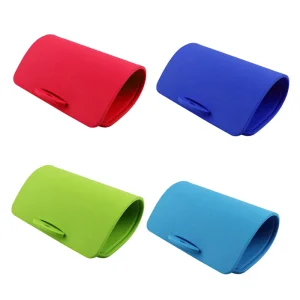
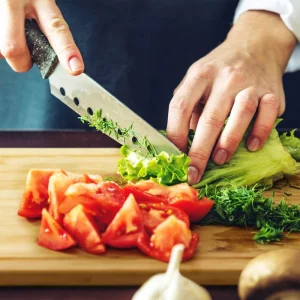
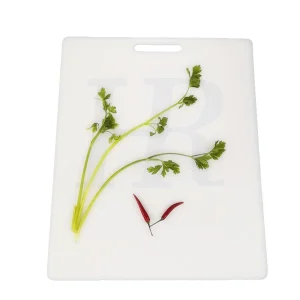
In high-volume restaurant kitchens, cross-contamination prevention is a primary focus. Flexible cutting mats are color-coded to align with Hazard Analysis Critical Control Point (HACCP) guidelines (e.g., green for vegetables, red for raw meat). Their flexibility allows kitchen staff to bend the mat to transfer chopped ingredients directly into prep bowls or cooking vessels without spillage. Additionally, non-porous surfaces prevent bacteria and odors from penetrating the board, ensuring food hygiene.
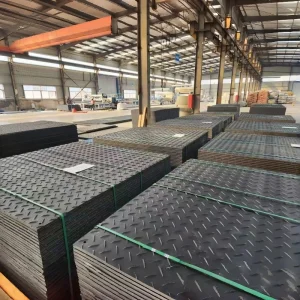
On construction sites and temporary parking fields, ground protection mats made from flexible HDPE or UHMWPE are used to distribute heavy vehicle loads. These mats protect underlying grass or soft soil from compaction and prevent heavy trucks from getting stuck in mud. Unlike rigid metal plates, polymer road mats conform to uneven terrain without bending permanently, making them reusable across multiple projects.
In dairy and livestock farming, interlocking recycled polymer mats provide a slip-resistant surface for animals. These mats insulate animals from cold concrete floors and reduce joint stress. Their waterproof design resists animal waste, which simplifies cleaning and helps prevent hoof rot in dairy cattle.
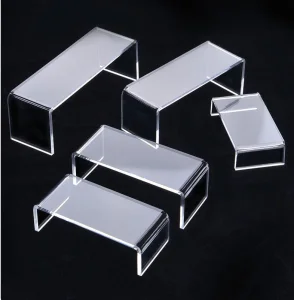
For advertising and cleanroom barriers, impact-resistant PMMA and co-extruded acrylic sheets provide transparency without the weight or fragility of glass. These materials can be thermoformed or laser-cut to create protective display cases, clear safety screens, and illuminated signage.
To access international markets, manufacturers must meet regional regulatory standards. Top Chinese suppliers maintain several key certifications to ensure compliance:
By maintaining these certifications, manufacturing partners like Dongguan EcoBest Kitchens Co., Ltd. help international distributors reduce regulatory risks and ensure product safety.
The flexible utensils and polymer processing industries are adopting new technologies to improve environmental sustainability and performance:
Frequently asked questions by commercial procurement managers, importing agents, and technical engineers.
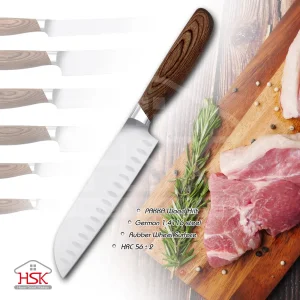
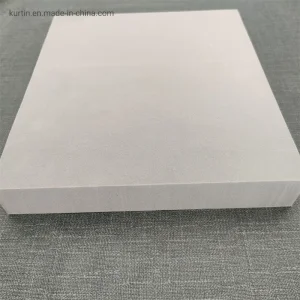

 Eco Best Kitchens