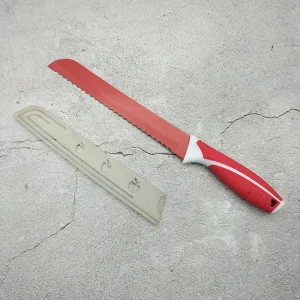
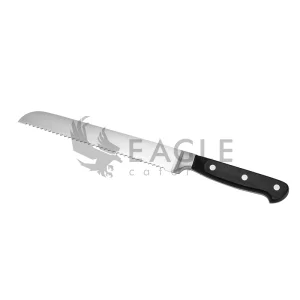
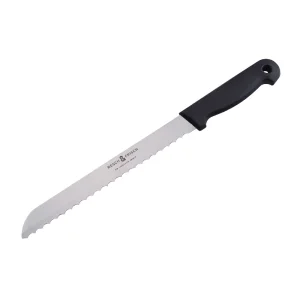
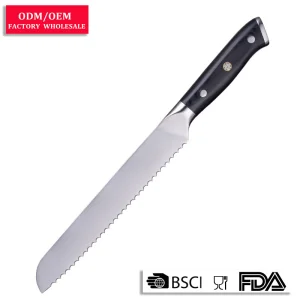
Engineered for high-intensity commercial baking settings, tourist resorts in Kiritimati, and wholesale trade distributions throughout South Tarawa.
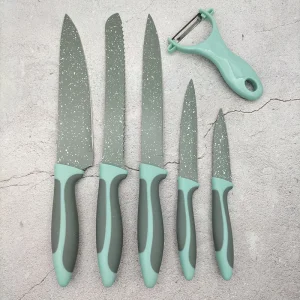
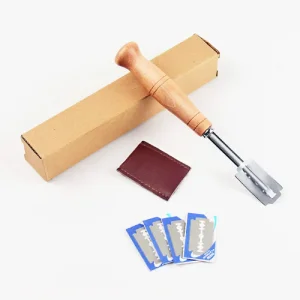
An Analytical Whitepaper on Culinary Tool Sourcing and Logistics in Small Island Developing States (SIDS)
Operating a food service or import business in Kiribati—stretching across millions of square kilometers of the central Pacific Ocean—presents distinct regional challenges. The combination of high atmospheric salinity, relative humidity hovering above 80%, and limited direct shipping lanes calls for commercial kitchen tools that resist corrosion while retaining their cutting performance over time.
Local tourist resorts, hotels, and local bakeries on Betio, Bairiki, and Kiritimati (Christmas Island) rely heavily on imports for their commercial kitchen inventory. When it comes to slicing bread, standard blades rust quickly in salt-heavy air, resulting in food safety hazards and premature replacement costs. Sourcing bread knives built with specific chromium percentages is essential for long-term use in these island markets.
The global professional cutlery market has moved toward high-carbon stainless steels (like German DIN 1.4116 or Japanese 10Cr15MoV) combined with ergonomic, moisture-resistant polymer or treated composite wood handles.
While traditional bakeries in Europe and North America emphasize edge retention on crusty artisan sourdough, the Pacific region prioritizes a mix of edge longevity and corrosion resistance. Handles made from untreated organic woods degrade quickly in tropical climates. That is why modern manufacturers recommend high-density Polypropylene (PP), thermoplastic rubbers (TPR), or Pakka wood composite to prevent moisture absorption and bacterial growth.
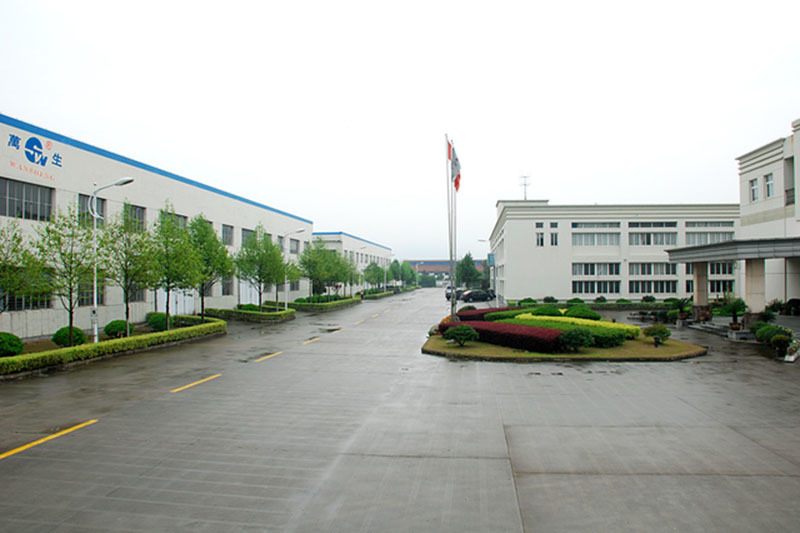
Based in Dongguan, Guangdong Province, one of China's primary industrial hubs, our modern production facilities feature advanced assembly lines, research and development centers, and strict quality control systems. We focus on producing durable, eco-friendly kitchen appliances and tools designed for home kitchens, restaurants, and commercial catering applications.
Each product is made from high-quality materials to ensure strength, food safety, and long-term durability. We combine practical design with eco-friendly components to improve kitchen efficiency and support food safety.
Our engineering team, product designers, and quality inspectors oversee production from material selection to shipping. We provide comprehensive OEM/ODM support for buyers across Oceania, assuring consistent manufacturing standards and reliable delivery schedules.

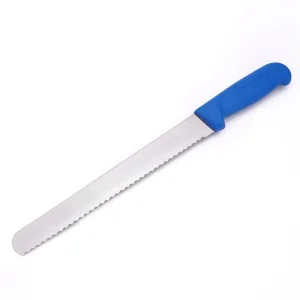
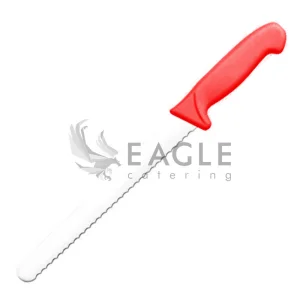
Selected high-grade steel models built to withstand saline tropical environments and heavy daily workloads.
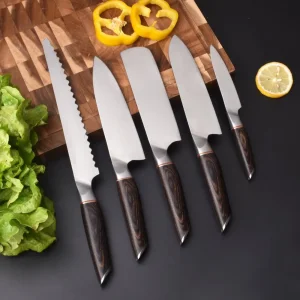
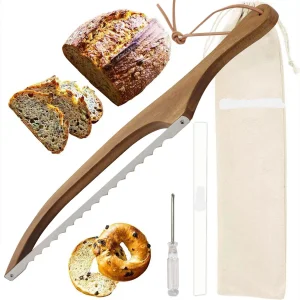
For Kiribati importers, balancing transport costs with product quality is essential. Sourcing direct from manufacturers in Dongguan provides access to developed steel supply chains and high-volume production capabilities.
Manufacturing hubs like Dongguan combine stamping, heat treatment, grinding, handle injection, and packaging in localized zones. This integration reduces overall production costs compared to European or domestic alternatives.
Additionally, our factory offers customized packaging options designed to resist moisture during maritime transport. This ensures the knives arrive in Tarawa free of rust and ready for retail display or direct kitchen use.
We manage custom container consolidation and work with shipping companies serving Pacific trade routes. This helps reduce handling stops and minimizes cargo exposure to humid marine air during transit.
In high-humidity regions, handle materials require careful consideration. Standard woods can warp, trap moisture, and split when exposed to frequent washing and tropical humidity.
We recommend synthetic handles (such as food-grade Polypropylene, ABS, or TPR) or resin-stabilized Pakka wood. These materials offer the weight and feel of traditional wood but resist water absorption and swelling. This helps maintain a secure, hygienic connection between the blade and handle over long-term commercial use.
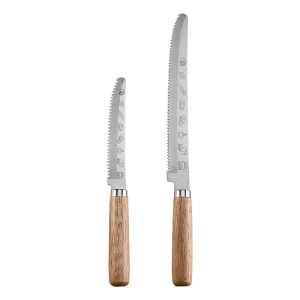
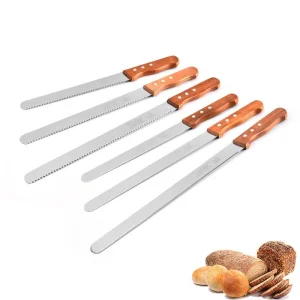
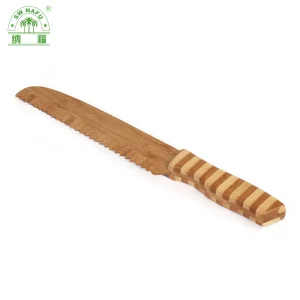
Our complete catalog of professional bread slicers, multi-blade sets, and eco-friendly kitchenware options.
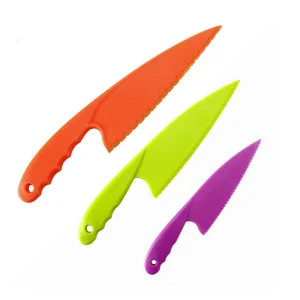
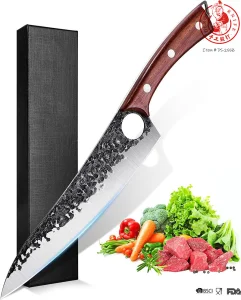
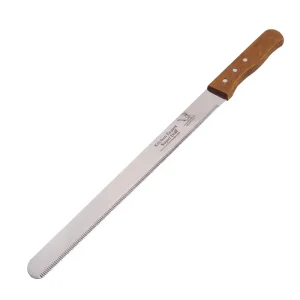
Answers to common questions regarding logistics, materials, and bulk ordering for importers in Kiribati and the Pacific region.
Partner with an experienced OEM/ODM manufacturer. Get custom packaging, high-grade materials, and reliable logistics support for your market in Kiribati.
Send Inquiry Now Eco Best Kitchens