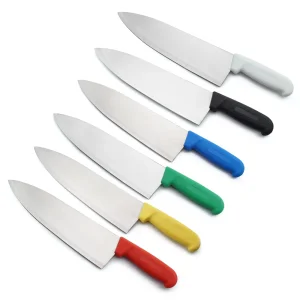
A Strategic Whitepaper on High-Performance Cutlery Supply Chains, Metallurgical Engineering, and Commercial Solutions for Portuguese Gastronomy
Engineered to meet the exact specifications of Lisbon's high-volume kitchens, Michelin-starred establishments, and coastal seafood processing hubs.
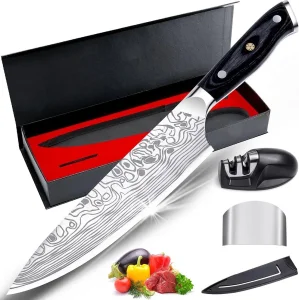
An analytical breakdown of Portugal's expanding hospitality economy and the rising demands for professional-grade culinary tools.
Lisbon's gastronomic ecosystem is undergoing a dramatic evolution. Driven by a surge in high-value tourism, a growing list of Michelin-recognized establishments, and a robust traditional food culture centered on Atlantic fisheries, the demands placed on commercial kitchens have escalated. In this intense operational environment, a chef's knife is not merely a tool; it is a critical asset in the food preparation pipeline. Professional kitchens in Lisbon require cutlery that can withstand the corrosive forces of coastal salt-air, the repetitive impact of heavy bone-in protein prep, and the delicate precision required for fine dining plating.
Historically, the Portuguese cutlery market relied on small-scale local cutlers, particularly from traditional hubs like Palaçoulo. While these operations carry rich heritage, they face major limitations in scaling production, maintaining micro-level tolerances, and keeping unit costs viable for high-volume commercial supply. Modern Lisbon procurement managers, restaurant groups, and hospitality developers increasingly turn to global supply chains to source chef knives that merge traditional ergonomics with advanced metallurgical science and cost-efficient manufacturing.
Strategic Insight: Google's Search Quality Rater Guidelines emphasize E-E-A-T (Experience, Expertise, Authoritativeness, and Trustworthiness). For Lisbon cutlery distributors, establishing a direct link with an advanced manufacturer like EcoBest Kitchens ensures compliance with international quality standards, providing the transparency and product reliability that discerning culinary institutions require.
Bridging industrial prowess and advanced material science to deliver next-generation cutlery solutions.
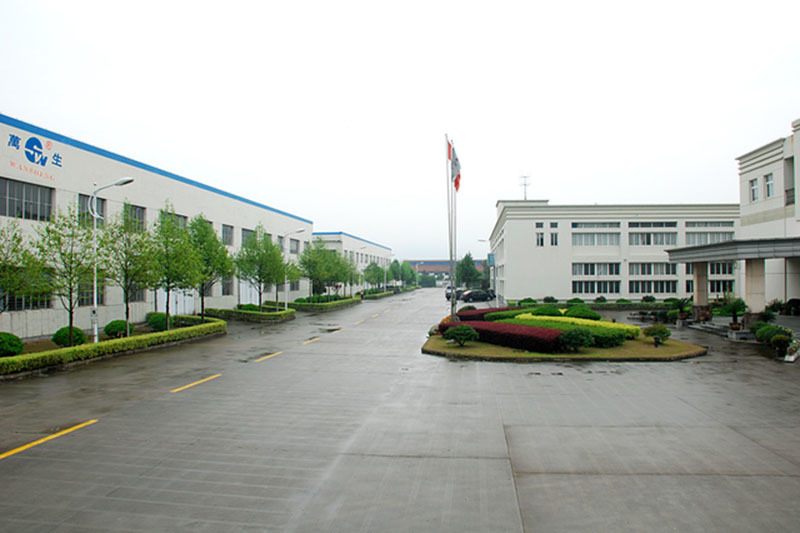
Dongguan EcoBest Kitchens Co., Ltd. is a professional manufacturer and supplier specializing in high-quality kitchenware and cooking solutions. Located in Dongguan, Guangdong Province, one of China’s major industrial and manufacturing hubs, the company operates modern production facilities equipped with advanced assembly lines, research and development centers, and strict quality control systems. EcoBest Kitchens focuses on producing innovative, durable, and eco-friendly kitchen appliances and tools designed for homes, restaurants, and commercial catering applications.
The company’s main business includes the production and distribution of cutting boards, knives and accessories, kitchen storage solutions, multifunctional cooking tools, and other home and professional kitchen equipment. Each product is crafted from high-quality materials, ensuring sturdiness, safety, and long-term durability. With a focus on practical design and eco-friendly materials, EcoBest Kitchens offers solutions that improve cooking efficiency, maintain hygiene, and provide convenience for everyday meal preparation.
Dongguan EcoBest Kitchens Co., Ltd. employs a skilled team of engineers, product designers, quality inspectors, and customer service professionals. The company provides comprehensive support from product design and manufacturing to after-sales service, ensuring customer satisfaction at every stage. Guided by principles of innovation, quality, and sustainability, EcoBest Kitchens continues to expand its presence in domestic and international markets, offering trusted, high-performance kitchen solutions for partners and customers worldwide.

The shift towards integrated Chinese manufacturing clusters and how it drives value for European distributors.
The global cutlery manufacturing landscape has transitioned from fragmented, highly regionalized operations to centralized, high-tech industrial clusters. Today, the Guangdong cutlery belt (centering around Yangjiang and Dongguan) represents over 70% of the world’s mid-to-high-end chef knife production. These clusters leverage unparalleled supply chain integration, combining steel suppliers, heat-treatment facilities, CNC automated grinding centers, and packaging plants within a 50-kilometer radius.
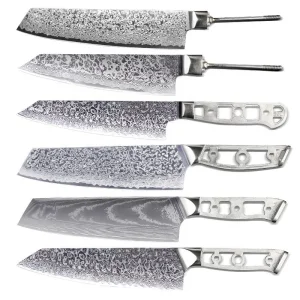
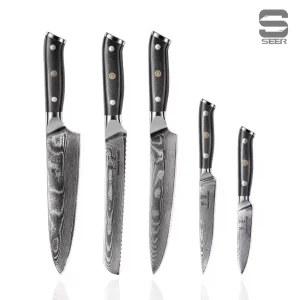
For Lisbon importers, this translates into unmatched efficiency. While traditional Solingen or Seki cutlery factories struggle with multi-month order backlogs and premium pricing structures, Chinese production hubs utilize economies of scale and advanced automation to deliver comparable or superior physical specifications at a fraction of the cost. The integration of German DIN 1.4116, Japanese VG-10, and high-carbon Damascus steel structures into Chinese factory production lines allows for custom OEM/ODM solutions tailored precisely to the mechanical loads expected in Portuguese restaurants.
Matching blade engineering with the specific culinary methods of Portuguese cooking.
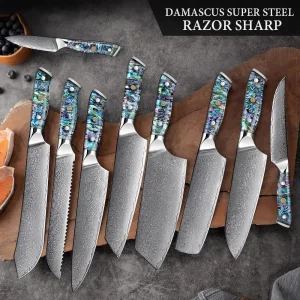
Handling traditional Portuguese seafood like *Bacalhau* (salted cod) or *Polvo* (octopus) requires highly specialized edge retention. Standard steel blades dull rapidly under the abrasive action of salt crystals and thick skin. Our VG-10 Damascus and high-carbon German steel knives are optimized with precise edge angles (15 degrees per side), ensuring clean cuts that prevent the tearing of delicate fish fibers, preserving texture and taste during preparation.
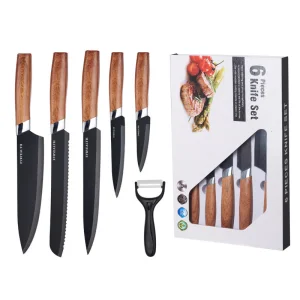
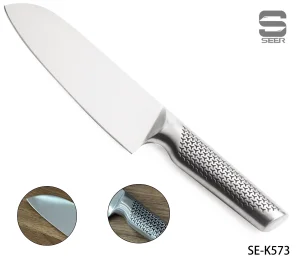
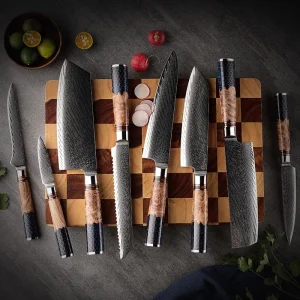
In bustling tourist districts like Chiado and Baixa, restaurant prep cooks work continuously for 8 to 12 hours. Ergonomics is vital to prevent repetitive strain injuries. Fully forged tang structures wrapped in contoured G10 handles, Pakkawood, or hollow-metal grips provide an optimal balance point directly at the bolster. This minimizes wrist fatigue, increases safety, and maintains precision even during peak dinner rushes.
How sustainability, advanced metallurgy, and digital tracking are redefining professional cutlery acquisition.
The global cutlery industry is witnessing rapid transformation driven by consumer demand and environmental initiatives. The primary developments shaping the future of chef knives include:
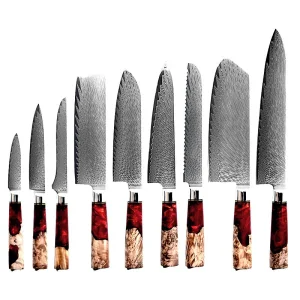
Explore our full line of chef knives, butcher tools, and Damascus blade sets engineered for professional distribution in Europe.
Answers to common logistical, technical, and regulatory questions from Lisbon hospitality procurement managers.
 Eco Best Kitchens