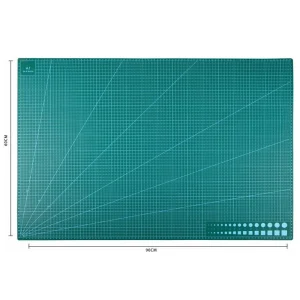
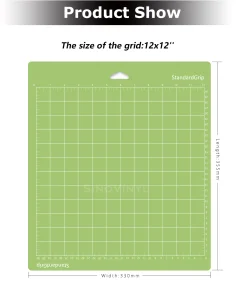
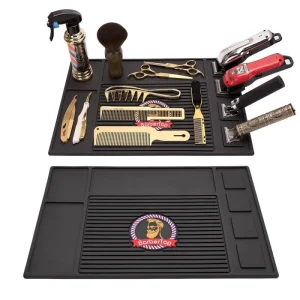
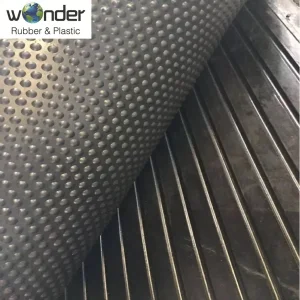
The demand for high-performance flexible cutting mats in the North Korea (DPRK) market is currently undergoing a structural shift. As industrial zones like the Rason Special Economic Zone and the Kaesong industrial initiatives continue to evolve, the requirement for precision tooling and protective surfaces has reached an all-time high. North Korea’s manufacturing sector—ranging from textile production to light electronic assembly—relies heavily on durable, cost-effective, and chemically resistant cutting surfaces that can withstand high-intensity shifts.
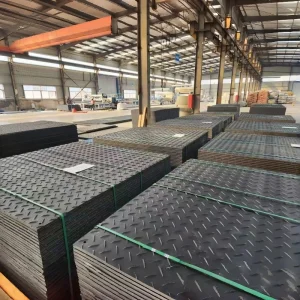
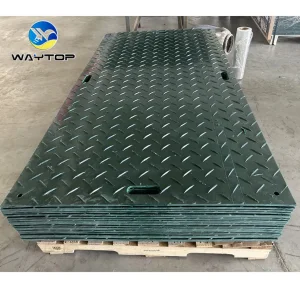
As a leading flexible cutting mat factory, we recognize that "flexibility" in this market isn't just a material property; it's a business requirement. Our products are engineered to provide Information Gain to our clients—giving them a competitive edge through superior material longevity and reduced equipment downtime. Whether it's the self-healing PVC technology used in artisan workshops or the heavy-duty UHMWPE ground mats used in construction projects across Sinuiju, our supply chain is optimized for the unique logistical and regulatory landscape of the region.
Engineered with Shore A 80-90 hardness ratings, perfect for the high-volume garment factories in Pyongyang.
Utilizing the Dandong-Sinuiju corridor for rapid deployment and minimized freight costs to DPRK hubs.
Products strictly adhere to international non-prohibited trade standards, ensuring smooth customs clearance.
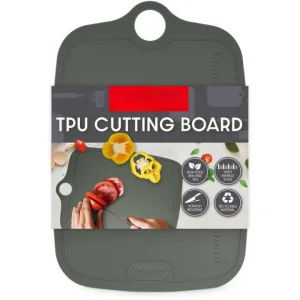
Operating out of Dongguan, the global heart of polymer manufacturing, Dongguan EcoBest Kitchens Co., Ltd. provides a vital bridge for North Korean enterprises seeking international-grade supplies. Our factory specializes in the extrusion and precision cutting of TPU, PVC, and PE materials. By sourcing from a Chinese factory, North Korean buyers benefit from economies of scale that local producers cannot match.
Our flexible cutting mat production line utilizes German-engineered extrusion technology, ensuring that every millimeter of the mat has a consistent molecular density. This is crucial for "self-healing" properties, where the mat's surface closes back up after a blade pass. In the context of North Korean light industry, this means a single mat can last 3-5 times longer than generic alternatives, directly contributing to the enterprise's bottom line.
Understanding the "Search Intent" of North Korean procurement officers involves looking at the actual boots-on-the-ground usage. We have identified four primary application vertical markets:
When evaluating a flexible cutting mat supplier, technical specifications are the ultimate proof of expertise. Our mats are developed using a multi-layer co-extrusion process. The core layer is typically a high-density, rigid polymer that prevents blade penetration, while the outer "healing" layers are made of a softer, more elastic PVC or TPU compound.
The global trend is moving toward "Intelligent Mats." We are currently developing mats with embedded grid markings that are laser-etched rather than printed, preventing ink contamination in sensitive food-grade environments. Furthermore, there is a massive surge in the demand for Antistatic (ESD) Flexible Mats. As North Korea expands its domestic electronic assembly capabilities, the need for mats that can safely dissipate static electricity while providing a flexible cutting surface is becoming a critical "Information Gain" factor for savvy local manufacturers.
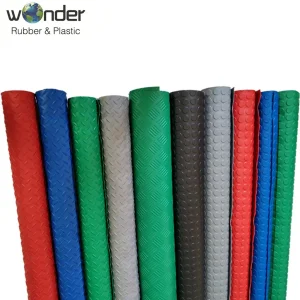
A: Yes. Our factory can produce continuous rolls of flexible matting or custom-cut sheets up to 2000mm in width and any desired length. We specialize in OEM branding for local industrial supply companies.
A: We typically ship via Dandong, Liaoning province. We handle all export documentation and work with specialized logistics partners who understand the specific customs requirements for trans-border trade with the DPRK.
A: Absolutely. Our PE and TPU-based mats are specifically formulated with cold-resistant additives that keep the material flexible even in North Korea’s harshest winter conditions, preventing the cracking common in lower-quality mats.
A: For standard specifications, our lead time is 7-10 days. For custom-molded or uniquely thick (above 30mm) mats, the lead time is approximately 15-21 days from order confirmation.
Connect with our technical sales team for a comprehensive quote and material consultation for the North Korea market.
Send Inquiry Now Eco Best Kitchens