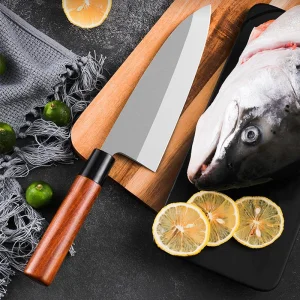
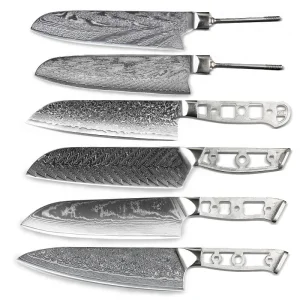
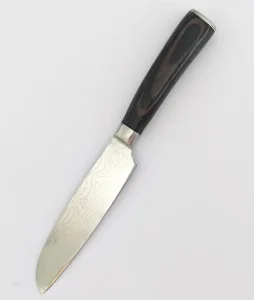
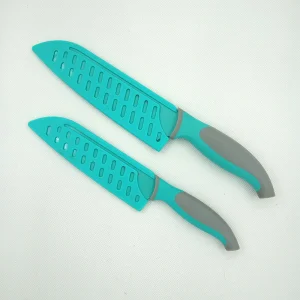
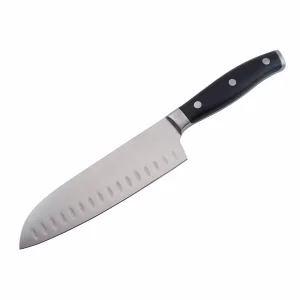
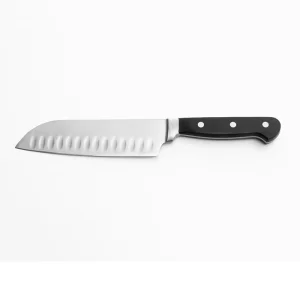
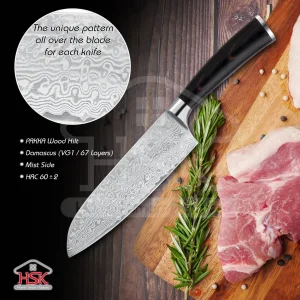
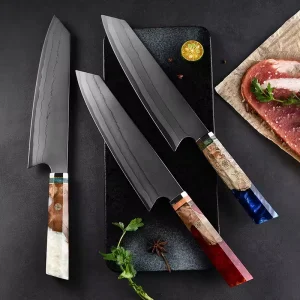
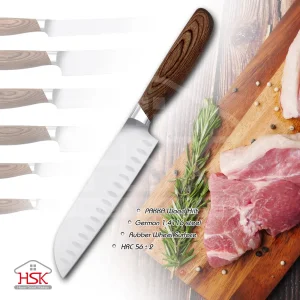
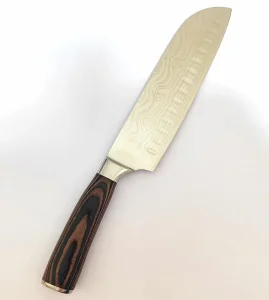
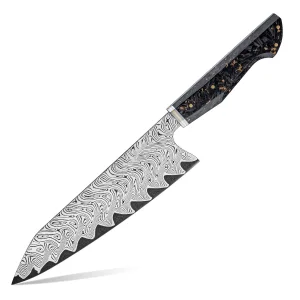
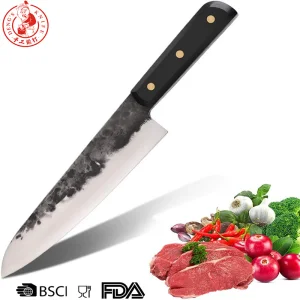
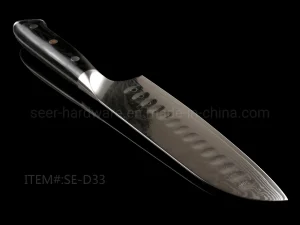
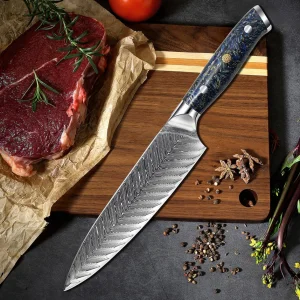
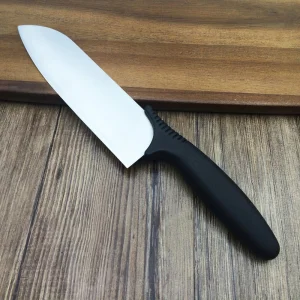
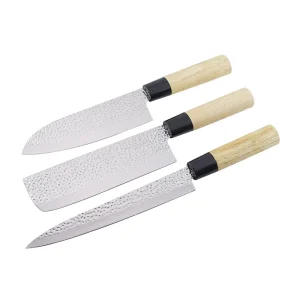
Top-rated Santoku designs currently trending in Southeast Asian markets.
In the past decade, Vietnam has emerged as a powerhouse in the global manufacturing landscape, particularly in the precision cutlery sector. As "China Plus One" strategies become the norm for global retailers, Vietnamese Santoku knives factories have seen unprecedented investment. These facilities, located in strategic industrial zones such as Binh Duong and Bac Ninh, combine traditional forging techniques with cutting-edge AI-driven quality control.
The industrial status of Santoku knife production in Vietnam is characterized by a unique blend of craftsmanship and automation. Local factories are now exporting millions of units annually to Europe, North America, and Japan. This growth is fueled by favorable trade agreements like the EVFTA and CPTPP, making Vietnam the most competitive exporter of high-end kitchenware in Southeast Asia.
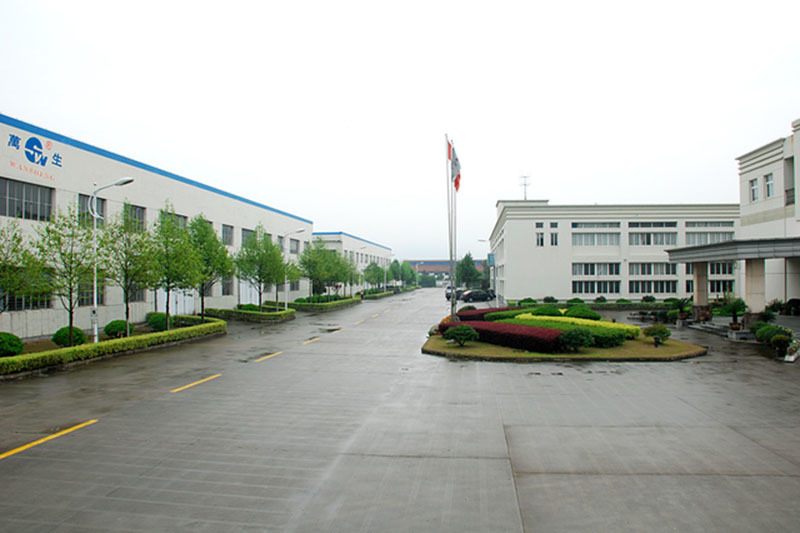
Dongguan EcoBest Kitchens Co., Ltd., recognizing this shift, has established robust partnerships with Vietnamese exporters to ensure a seamless supply of premium Santoku knives. As a professional manufacturer specializing in high-quality kitchenware, EcoBest integrates advanced research and development with Vietnam's skilled labor force. This synergy allows us to produce innovative, durable, and eco-friendly kitchen tools designed for both professional chefs and home cooks globally.
Factories utilize robotic arms for 0.1mm accuracy in blade edge sharpening, ensuring the legendary Santoku "Three Virtues" performance.
Integrating Japanese VG10 and German 1.4116 steel with local Vietnamese heat-treatment expertise for superior HRC ratings.
Optimized export paths from Ho Chi Minh City port reduce carbon footprints, aligning with modern sustainability goals.
The Santoku knife—literally meaning "Three Virtues" (slicing, dicing, and mincing)—has become the flagship product for Vietnamese exporters. The current trend is shifting toward "Customization at Scale." Digital laser engraving and CNC handle machining allow Vietnam-based factories to offer OEM/ODM services that were previously only possible in small artisan workshops.
Furthermore, the "Smart Factory" concept is being adopted across the Red River Delta. High-tech sensors monitor tempering temperatures in real-time, ensuring that every batch of Damascus steel Santoku knives meets international hardness standards. This digital transformation is not just about efficiency; it's about transparency. Buyers can now track their order's manufacturing stage via cloud-based portals provided by top-tier exporters.
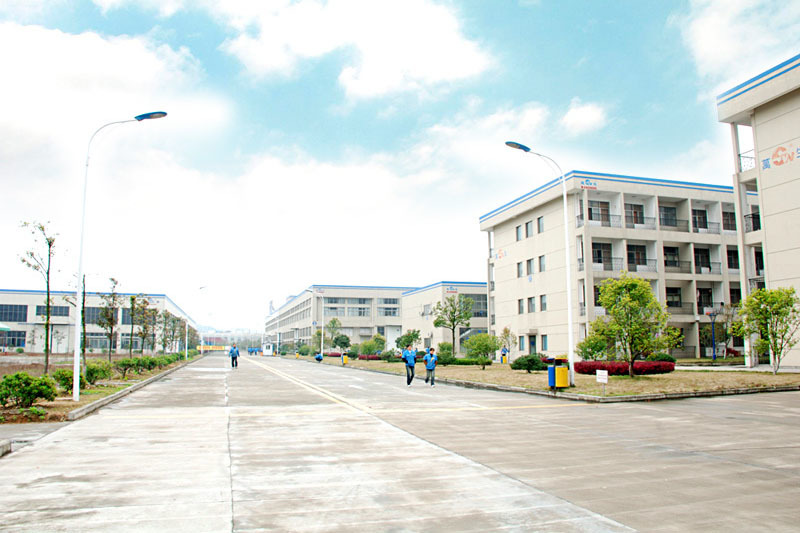
Localized application scenarios are also evolving. In Vietnam, the culinary scene is a vibrant mix of traditional street food and Michelin-star fine dining. Local chefs have adapted the Santoku knife as their primary tool for preparing complex herbs and meats, leading to localized ergonomic designs. Handles made from indigenous Pakka wood or sustainable Vietnamese bamboo are now trending, offering a warm, natural grip that appeals to the global eco-conscious consumer.
Dongguan EcoBest Kitchens Co., Ltd. employs a skilled team of engineers, product designers, and quality inspectors. By bridging the gap between China's industrial infrastructure and Vietnam's manufacturing agility, we provide a dual-sourcing advantage that is rare in the industry. Our Vietnamese facilities focus on high-performance kitchen solutions that maintain hygiene, safety, and long-term durability.
Guided by principles of innovation, quality, and sustainability, we ensure that every Santoku knife exported from our network undergoes a rigorous 12-step inspection process. This includes metallurgical testing, edge retention analysis, and ergonomic balance checks. Whether you are a wholesaler in Europe or a kitchenware brand in the USA, our Vietnamese export division offers tailored logistics to streamline your supply chain.
Explore our comprehensive range of high-performance cutlery for the global market.
Vietnam is not just a low-cost manufacturing alternative; it is a high-tech cutlery hub. The local industry has mastered the art of "Flow Manufacturing," where Santoku knives move seamlessly from automated laser cutting to hand-finishing by master sharpeners. This hybrid approach ensures that exporters can meet the high volume demands of retail giants while maintaining the "soul" of an artisan knife.
For international buyers, working with a Vietnam exporter like EcoBest Kitchens means access to diverse materials. From high-carbon German steel to multi-layered Japanese Damascus, Vietnamese factories are adept at processing various metallurgy types to meet specific price points and performance requirements. The localized application of heat treatment—using state-of-the-art vacuum furnaces—ensures that every Santoku knife possesses the perfect balance of edge retention and durability.
As the industry moves toward 2025, we expect to see even more AI integration in the testing phase. Infrared scanners are already being piloted in our Vietnamese plants to detect microscopic flaws in the steel matrix before shipping. Choosing a Santoku knife factory in Vietnam is a choice for the future of the kitchenware industry—where technology meets tradition, and quality is guaranteed by data-driven processes.
 Eco Best Kitchens