The Comprehensive Guide to Forged Knife Manufacturing
The distinction between a forged knife and a stamped knife is the difference between a legacy tool and a disposable commodity. Forging involves heating a single bar of steel and hammering it into shape. This process aligns the molecular grain of the metal, making it significantly stronger and more durable. As a leading manufacturer, we've invested millions in proprietary forging technology that mimics the traditional "hammer and anvil" but with the precision of computer-controlled pneumatic presses.
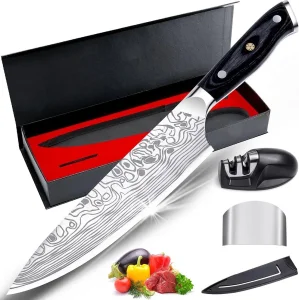
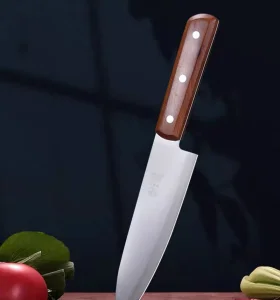
In the professional world, a chef’s knife is an extension of their arm. A forged blade provides a natural "bolster"—the thick junction between the handle and the blade—which acts as a finger guard and provides crucial balance. This balance point is what we optimize using AI-driven weight distribution analysis. If a knife is blade-heavy, it causes wrist fatigue in a commercial kitchen environment where a chef might be chopping for 10 hours straight. Our knives are engineered to sit perfectly in the hand, reducing the risk of repetitive strain injuries.
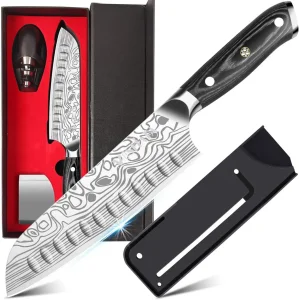
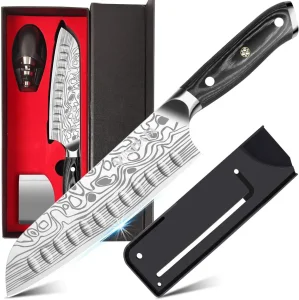
Market analysis shows that the "Home Chef" segment is the fastest-growing demographic for forged knives. Consumers are moving away from cheap 20-piece sets and towards owning 3 or 4 high-quality forged blades. This "minimalist quality" trend is something we support through our custom gift box sets and specialized blade designs like the Santoku and the Nakiri.
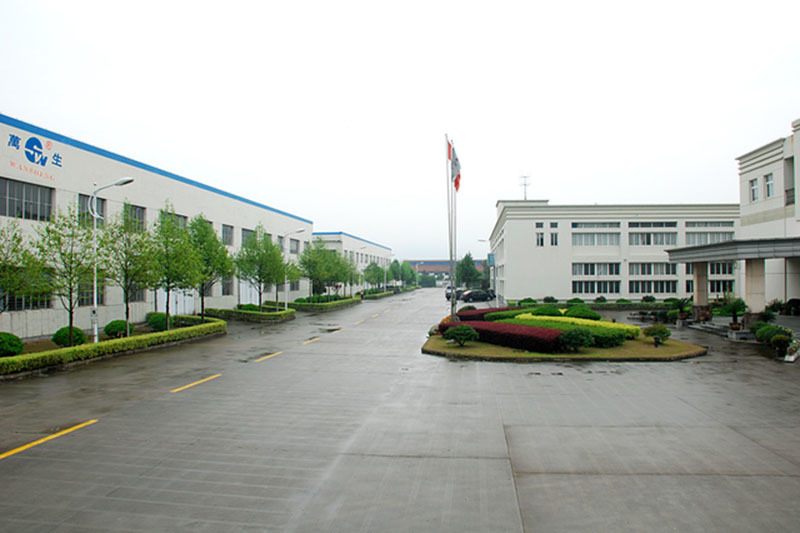
Environmental sustainability is no longer optional. At Dongguan EcoBest Kitchens, we've implemented water recycling systems for our wet-grinding stations and transitioned to ethically sourced rosewood and ebony for our premium handles. We also offer composite materials like G10, which are virtually indestructible and heat-resistant, making them ideal for high-temperature commercial environments.
Procurement managers also value our compliance. Our factory holds ISO 9001 certification and our products are FDA and LFGB approved. This ensures that when you import our knives into the EU, USA, or Australia, you face zero regulatory hurdles. We provide full documentation and transparent batch-testing results for every shipment.
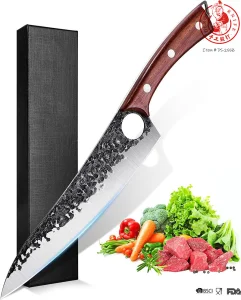
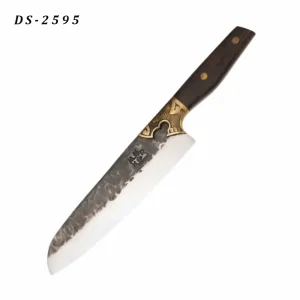
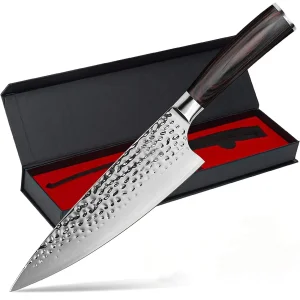
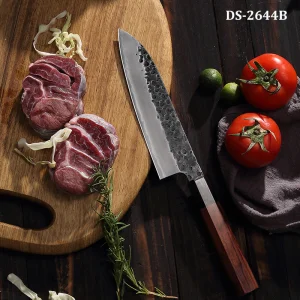
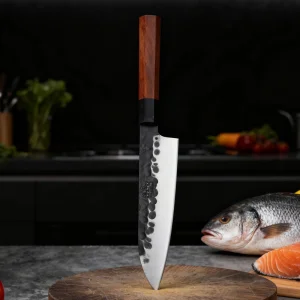
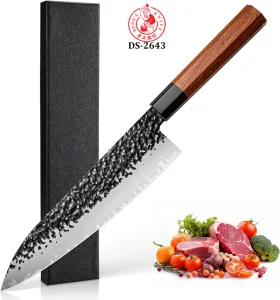
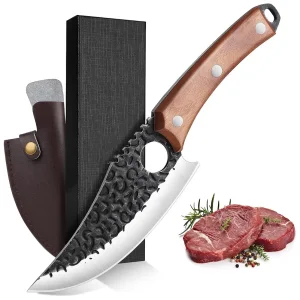
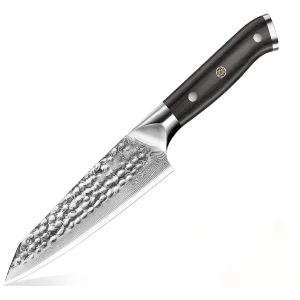
When discussing the technicalities of the "Huusk" style or the "Caveman" knife, we refer to the rugged, hand-forged aesthetic that has taken the Western market by storm. These knives aren't just tools; they are conversation pieces. They feature a unique hammered texture (Tsuchime) which isn't just for looks—it creates air pockets that prevent food from sticking to the blade. This is the level of detail that separates a top-tier manufacturer from a generic factory.
Finally, let's talk about the future. We are currently experimenting with AI-integrated smart storage solutions that can sharpen the blade automatically or track the usage life of a professional knife set. While these are in the prototype stage, they represent our commitment to staying at the forefront of the global kitchenware industry. Choosing us as your manufacturing partner means you are choosing a future-proof supply chain.
 Eco Best Kitchens